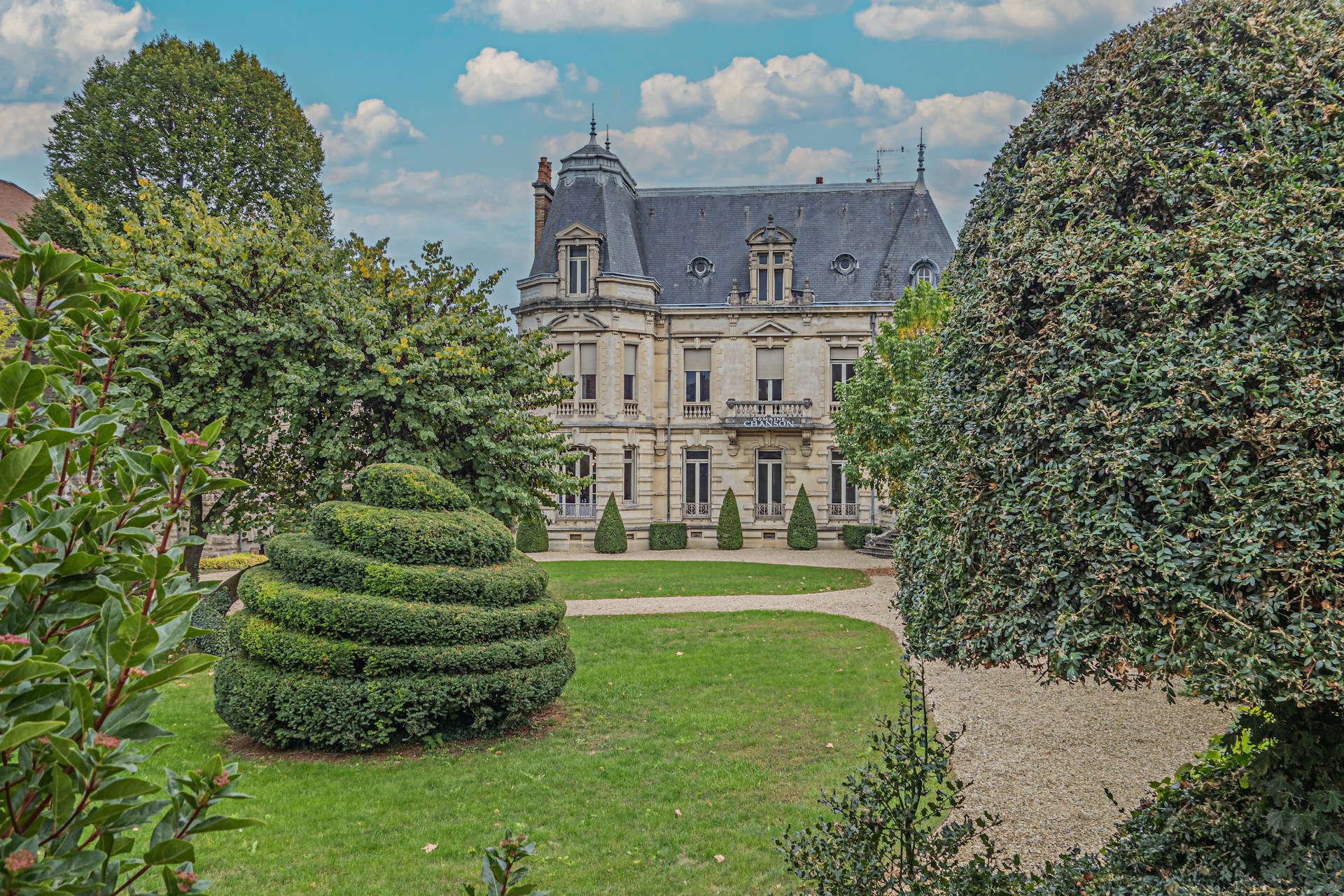
Corton Hill Loop
A wine-focused hike around Corton Hill in Côte de Beaune: Grand Cru parcels within arm's reach, a forested vantage point and authentic Burgundian villages to discover on foot.
Corton Hill is an emblematic butte of the Côte de Beaune in Burgundy, its wooded summit commanding an amphitheater of Grand Cru–classified vineyards. A loop around this hill is a wine-focused hike that traverses the region's most prestigious appellations—Corton and Corton-Charlemagne—while offering sweeping views across the Saône plain. It is a tangible way to read the Burgundian landscape through its geological and human logic.
Practical Information at a Glance
- Access: typical departure from the village of Aloxe-Corton, reachable by car from Beaune (approximately 6 km north via the D974).
- Entrance: free—trail is open to the public.
- Recommended duration: 2 to 3 hours depending on pace and stops.
- What to wear: hiking boots recommended; paths between the vineyards can be muddy after rain.
- Ideal season: spring and autumn for light and color; avoid harvest season if you prefer not to encounter harvest teams.
What You'll See
The route runs alongside Pinot Noir and Chardonnay parcels, some of which have been cultivated since the Middle Ages. Forest crowns the hilltop, creating a striking visual contrast with the vineyard rows below. From the higher points, the view extends across Beaune, the Saône plain and, on clear days, toward the first ridges of the Jura.
Dry stone walls delimiting the climats—these individual parcels inscribed as a UNESCO World Heritage site—structure the landscape and bear witness to centuries of land division.
History and Context
Corton Hill owes much of its renown to Charlemagne, to whom tradition attributes the planting of white wines on its slopes—hence the appellation Corton-Charlemagne. Monks from Saulieu Abbey, followed by the Dukes of Burgundy, helped structure this vineyard. The hill's particular geology—Bajocian limestone at altitude, marls on lower slopes—accounts for the diversity of aromatic profiles in wines produced on its flanks.
Highlights of the Visit
Grand Crus Along the Path
The trail runs directly alongside Grand Cru–classified parcels. Boundary markers allow you to identify the appellations: Corton (red), Corton-Charlemagne (white), and their specific lieu-dits. It is a direct reading of Burgundy's classification system, unmediated.
The Summit Viewpoint
The forest edge at the top offers the broadest view across Côte de Beaune. The transition between forest and vineyards is particularly pronounced here, illustrating the altitude limit beyond which vines no longer grow.
Villages of the Côte
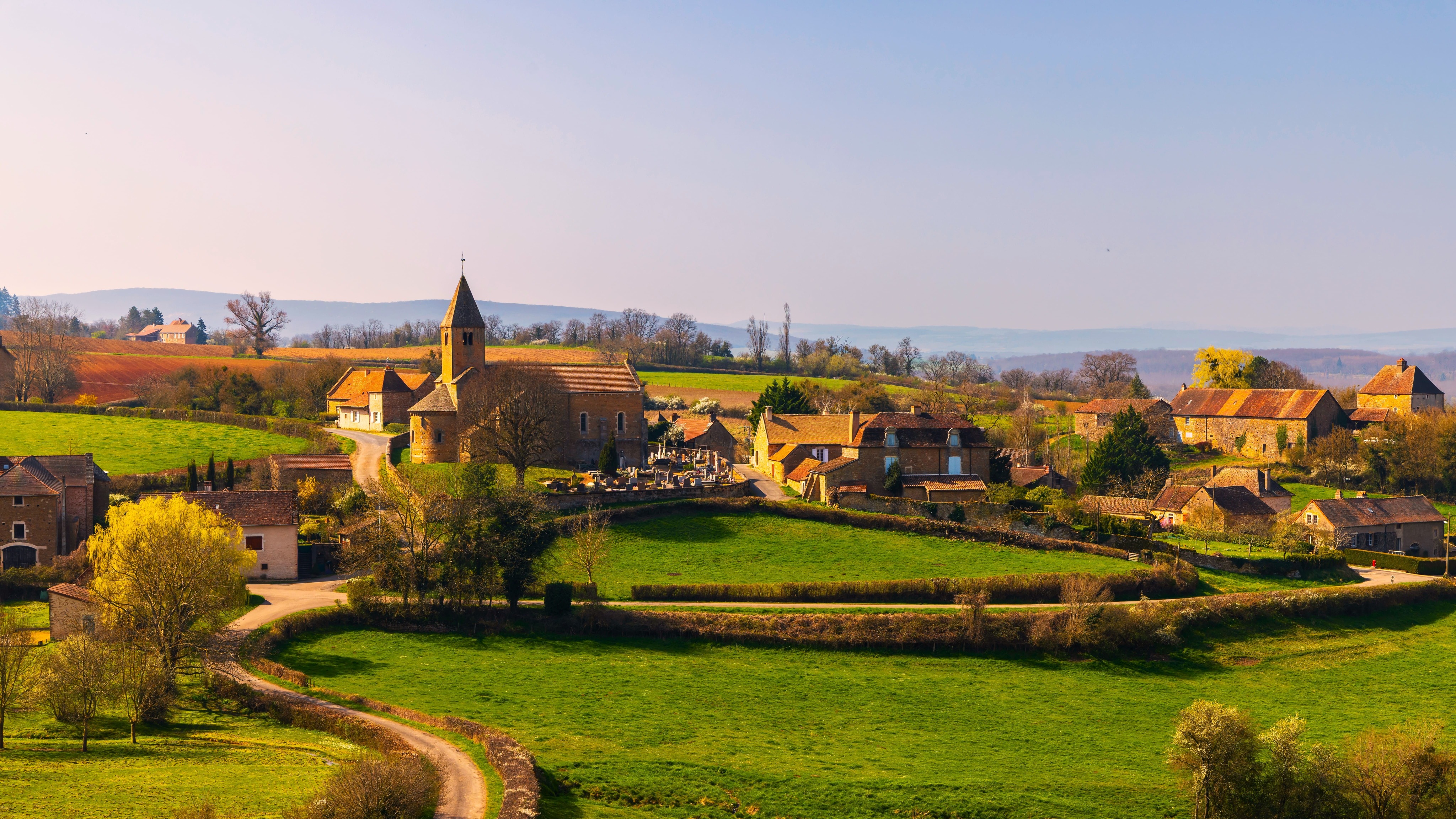
The loop allows you to glimpse or pass through Pernand-Vergelesses, Ladoix-Serrigny and Aloxe-Corton—three wine villages whose understated architecture (glazed tile roofs, walled enclosures) is characteristic of Côte de Beaune.
Photography Tips
Morning light from the east illuminates the east-facing slopes head-on. In autumn, yellowing vines contrast with the dark green of the forest canopy—the most photogenic period. Avoid midday in summer when light is flat. No known photography restrictions apply on public paths.
Location and Access
Corton Hill lies between the communes of Aloxe-Corton, Pernand-Vergelesses and Ladoix-Serrigny, roughly ten kilometers north of Beaune. The D974 (former Route des Grands Crus) runs along the hill's eastern base. No regular public transport serves the trail's starting point directly—a car or bicycle remain the most practical options from Beaune. Moderate elevation gain makes the hike accessible to most walkers, though irregular terrain between vineyards limits accessibility for those with mobility restrictions.
Nearby Attractions
- Beaune — capital of Burgundy wines, with its ramparts, wine cellars and the Hospices of Beaune, less than 10 km to the south.
- Hospices of Beaune (Hôtel-Dieu) — a masterpiece of 15th-century Gothic-Flemish architecture, unmissable in Beaune.
- Route des Grands Crus — a wine route connecting Dijon to Santenay, of which Corton Hill is one of the highlights.
- Aloxe-Corton Village — wine village at the foot of the hill, with several estates open for tastings.
Frequently asked questions
Spring (April–May) and autumn (October) offer the best conditions: mild temperatures, favorable light and, in autumn, the colors of the vineyards. Summer is possible but can be hot on exposed slopes.
Vineyard and forest paths crisscross the hill, though marking can be partial in some sections. An IGN map or a GPS track downloaded beforehand is recommended.
Yes. Several wine estates in Aloxe-Corton and Pernand-Vergelesses offer tastings. It is advisable to book in advance, especially during peak season.
Hiking shoes with treaded soles are sufficient. Paths between vineyards can be slippery in wet conditions; city shoes are not recommended.
The elevation gain is moderate and the route remains accessible for children used to walking. Plan for a slower pace and bring water, as refreshment points are absent on the trail.
No. The parcels are private property. The trail runs alongside the vineyards without entering them; stay on marked paths or public access routes.
Give it a go!
Our local experts arrange this activity for you.