Montdauphin
Montdauphin
Montdauphin is a 17th-century Vauban citadel perched on a rocky outcrop in the Hautes-Alpes, inscribed on the UNESCO World Heritage List. With its intact ramparts, pink sandstone construction, and views over Queyras, it stands as an exceptional site of military history.
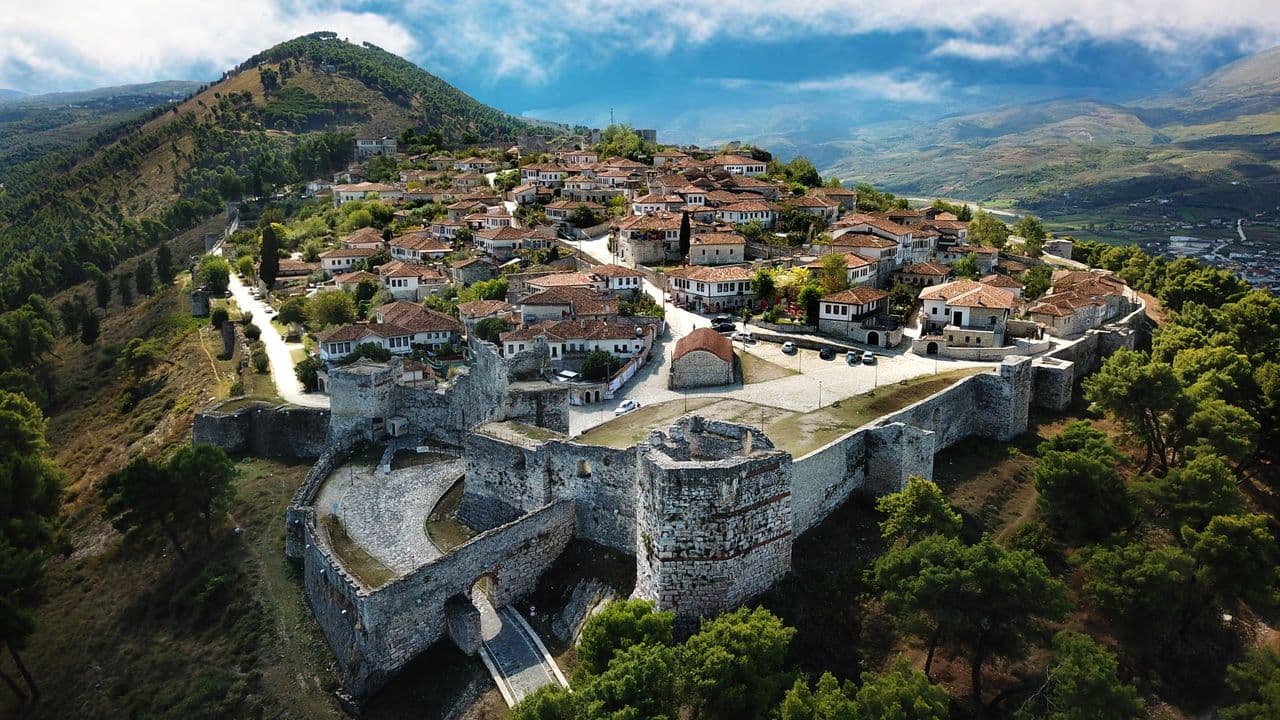
Montdauphin is a Vauban citadel perched on a rocky outcrop dominating the confluence of the Guil and Durance rivers, in the Hautes-Alpes. Designated as a UNESCO World Heritage Site in 2008 for its Vauban fortifications, it forms an essential duo with the lower town of Guillestre in the Queyras region. Its nearly intact ramparts, barracks built in local pink stone, and views across the surrounding massifs make it a rare site of military history and architecture in France.
Practical Information at a Glance
- Access: from Guillestre (approximately 5 km), via Route D37; SNCF station at Montdauphin–Guillestre on the Briançon–Gap line.
- Admission: the fortified village is freely accessible; certain interior monuments (Rochambeau barracks, powder magazine) are ticketed through the Centre des monuments nationaux.
- Suggested duration: 1.5 to 2 hours for the rampart circuit and main monuments.
- What to wear: hiking shoes recommended (paved paths and rampart walks).
- Accessibility: partial — the rampart walks and some areas are difficult to access by wheelchair.
What to See
The citadel preserves its bastioned fortifications, monumental gates (Briançon Gate, Embrun Gate), and 17th–18th century barracks built in local pink sandstone. Inside, a Baroque church, a restored powder magazine, and military quarters bear witness to garrison life. The rampart walks offer panoramic views over the Guil, the Durance, and the summits of Queyras.
History and Context
Louis XIV commissioned the fortress in 1693 following the War of the League of Augsburg, to protect the route to Briançon. Vauban designed the plans; construction spanned several decades. The citadel was never taken. It is one of twelve sites in the UNESCO-inscribed Vauban network, designated in 2008, alongside Briançon, Neuf-Brisach, and Belle-Île.
Highlights of Your Visit
The Ramparts and Rampart Walks
Touring the ramparts reveals Vauban's defensive logic: tenaille bastions, dry moats, curtain walls. The sweeping vista over the Guil–Durance confluence and the village of Guillestre below is striking.
Rochambeau Barracks
This 18th-century building now houses permanent exhibitions on Vauban's military architecture and the site's history. It serves as the main entry point for guided tours.
Saint-Jean-Baptiste Church
A modest Baroque edifice built for the garrison. Its square bell tower in pink stone contrasts with the mineral austerity of the ramparts. The interior is open during organized visits.
The Powder Magazine
Restored, it illustrates the technical challenges of ammunition storage in a Grand Siècle fortress: thick vaults, calculated ventilation, isolation from other buildings.
Photography Tips
Morning light illuminates the eastern facade of the ramparts and brings out the pink sandstone. In late afternoon, the southern bastions glow gold against the Queyras peaks. For aerial views of the confluence, position yourself on the northwest rampart walk. Drones are subject to regulations; check with the site management.
Location and Access
Montdauphin is located in the Hautes-Alpes (05), approximately 5 km northwest of Guillestre and about thirty kilometers south of Briançon. The Montdauphin–Guillestre station (TER Briançon–Gap line) is at the foot of the outcrop; a climb on foot or by car leads to the citadel. Disabled access by car is possible to the main gate, though internal circulation remains restricted.
Nearby Attractions
- Guillestre — the lively lower town with its market and Renaissance church, 5 km away.
- Combe du Queyras — spectacular gorges carved by the Guil, gateway to the Queyras Regional Nature Park.
- Fort Queyras — another medieval and Vauban fortification in Queyras, at Château-Ville-Vieille.
- Briançon — the upper Vauban town, also UNESCO-listed, about thirty kilometers north.
- Vars — ski and hiking resort in the Parpaillon massif, nearby.
Frequently asked questions
The fortified village is freely accessible in all seasons. Monuments managed by the Centre des monuments nationaux (Rochambeau barracks, powder magazine) have seasonal hours; consult the CMN website before your visit for exact opening periods.
No specific dress code is required. Hiking shoes are recommended for the paved rampart walks and unpaved areas.
Yes. Allow 2 hours at Montdauphin in the morning, then head to Briançon (approximately 30 km) for the afternoon. The two Vauban sites complement each other thematically.
The Centre des monuments nationaux offers guided tours in season. Thematic tours (military architecture, history) are organized periodically; contact the site directly or the Guillestre tourist office for details.
The TER station at Montdauphin–Guillestre is at the foot of the outcrop, on the Briançon–Gap line. From the station, a steep climb on foot or by car leads to the citadel.
Yes. The ramparts, cannons, and fortress atmosphere appeal to children. Bring appropriate footwear and supervise them in rampart areas without guardrails.
Want to discover this destination?
Our local advisors design your tailor-made trip.