Pommard
Pommard
Between Beaune and Volnay, Pommard concentrates some of Burgundy's most structured premier crus. Vineyard trails, estate visits and tastings punctuate a tour of this emblematic Côte de Beaune village.
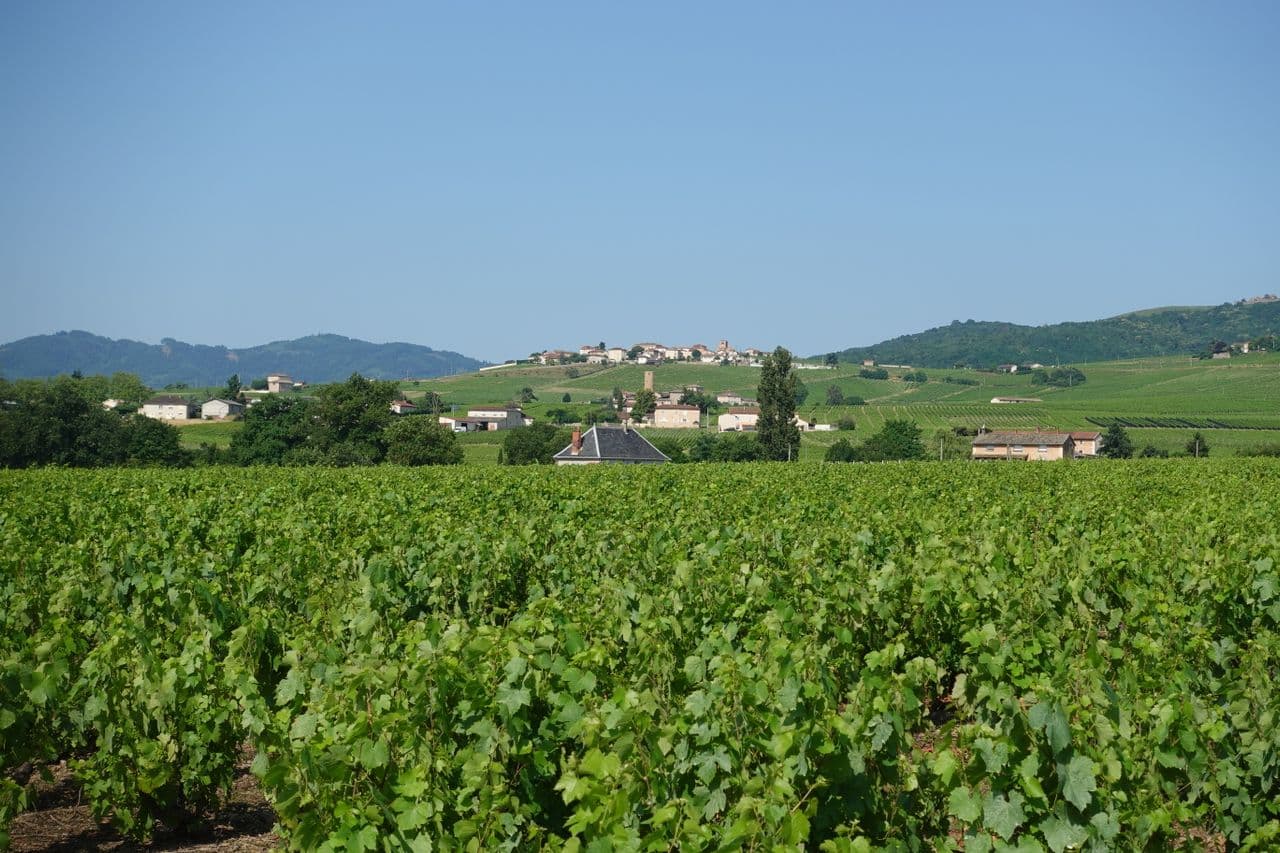
Pommard is a wine village on the Côte de Beaune in Burgundy, nestled between Beaune and Volnay. Its vineyards, classified under the AOC Pommard appellation, produce exclusively red wines made from Pinot Noir, renowned for their tannic structure and aging potential. The village concentrates several historic estates open to visitors, and its terroir, subdivided into premier crus, perfectly illustrates the Burgundian logic of climate classification.
Practical information at a glance
- Access: approximately 5 km south of Beaune via the D973 (Grand Crus route).
- Transport: car recommended; Beaune is accessible by TGV from Paris-Gare de Lyon (approximately 1 hour 40 minutes).
- Suggested duration: half a day for a cellar visit and a walk through the vineyards.
- Dress code: closed-toe shoes recommended for the vineyard trails.
What to see
The village is organized around its Romanesque Saint-Martin church and wine estates with finely hewn stone gateways. The vineyards stretch across the hillside, bordered by stone walls. Château de Pommard, a private property, offers paid visits with tasting. The most renowned premier crus — Les Rugiens, Les Épenots — are visible from marked trails that cross the appellation.
History and context
The Pommard appellation is one of Burgundy's oldest; Cistercian monks were already cultivating these lands in the Middle Ages. The name appears in texts from the 13th century. In the 18th century, Pommard wine gained international renown, particularly in England and the United States. The AOC Pommard was recognized in 1936, during the creation of France's appellation d'origine contrôlée system.
Highlights of the visit
The vineyard trails
Marked trails allow you to walk alongside parcels classified as premier crus. Explanatory signs detail the geology of the soils — clay-limestone with ferruginous predominance — which give the wines their tannic character. The walk offers an open view over the Saône plain.
Estate visits
Several family-run estates open their vaulted cellars to visitors, often by appointment. Tastings allow you to compare a village Pommard with a premier cru, and to understand the influence of terroir on the aromatic profile of Pinot Noir.
Château de Pommard
This 18th-century estate offers a museum-style tour through the history of viticulture in Burgundy, followed by a structured tasting. Entry is paid; online reservation is recommended during peak season.
Photography tips
The golden late-afternoon light on the vineyard rows is optimal in autumn, during the harvest (generally September-October). Stone walls and climate signs provide typical framing. The Saint-Martin church photographs well from the village square in the morning.
Location and access
Pommard sits on the Burgundy Grand Crus route, between Beaune to the north and Volnay to the south. The D973 runs through the village. From Beaune, allow less than ten minutes by car. No regular public transport serves the village directly; bike rental in Beaune is an appreciated alternative for exploring the wine route.
Nearby
- Beaune — capital of Burgundy wines, with the Hospices of Beaune and a medieval historic centre.
- Volnay — neighboring village renowned for its elegant red wines and premier crus.
- Meursault — Côte de Beaune village famous for its great Chardonnay whites.
- Hospices of Beaune (Hôtel-Dieu) — Flemish Gothic masterpiece from the 15th century, a few kilometers away.
Frequently asked questions
Autumn (September-October) is ideal: the harvest brings activity to the estates and the vineyard colors are spectacular. Spring is quieter but pleasant for walks.
Most family-run estates receive visitors by appointment. Château de Pommard recommends online reservation, especially in summer and during the harvest.
Yes. Pommard, Volnay and Meursault are a few kilometers apart. A day by car or bike allows you to visit all three villages and their estates.
Yes, marked trails start directly from the village center. Wear closed-toe shoes; the terrain can be uneven between the vineyard rows.
Yes. The AOC Pommard produces only red wines made from Pinot Noir. For Côte de Beaune whites, look to Meursault or Puligny-Montrachet.
Want to discover this destination?
Our local advisors design your tailor-made trip.