Risoux Massif
A dense forest straddling the Franco-Swiss border, the Risoux Massif combines Nordic landscapes, cross-country ski trails and a poignant yet overlooked past of resistance.
The Risoux Massif is a dense coniferous forest stretching across the Franco-Swiss border, between the French Jura and the canton of Vaud. Rising above 1,000 meters in elevation, this forested plateau offers a wild and silent setting, far removed from nearby tourist resorts. It is renowned for its snow-covered winter landscapes, cross-country ski trails and its historical role during World War II.
Practical Information at a Glance
- Access: from Les Rousses or Bois-d'Amont, via the D25 or marked forest roads.
- Entrance: free for the forest and hiking trails.
- Recommended duration: half-day to full day depending on the route chosen.
- Attire: hiking boots essential; warm clothing in winter.
- Cross-country skiing: trails are integrated into the Nordic network of the Les Rousses resort (pass required during season).
What You'll See
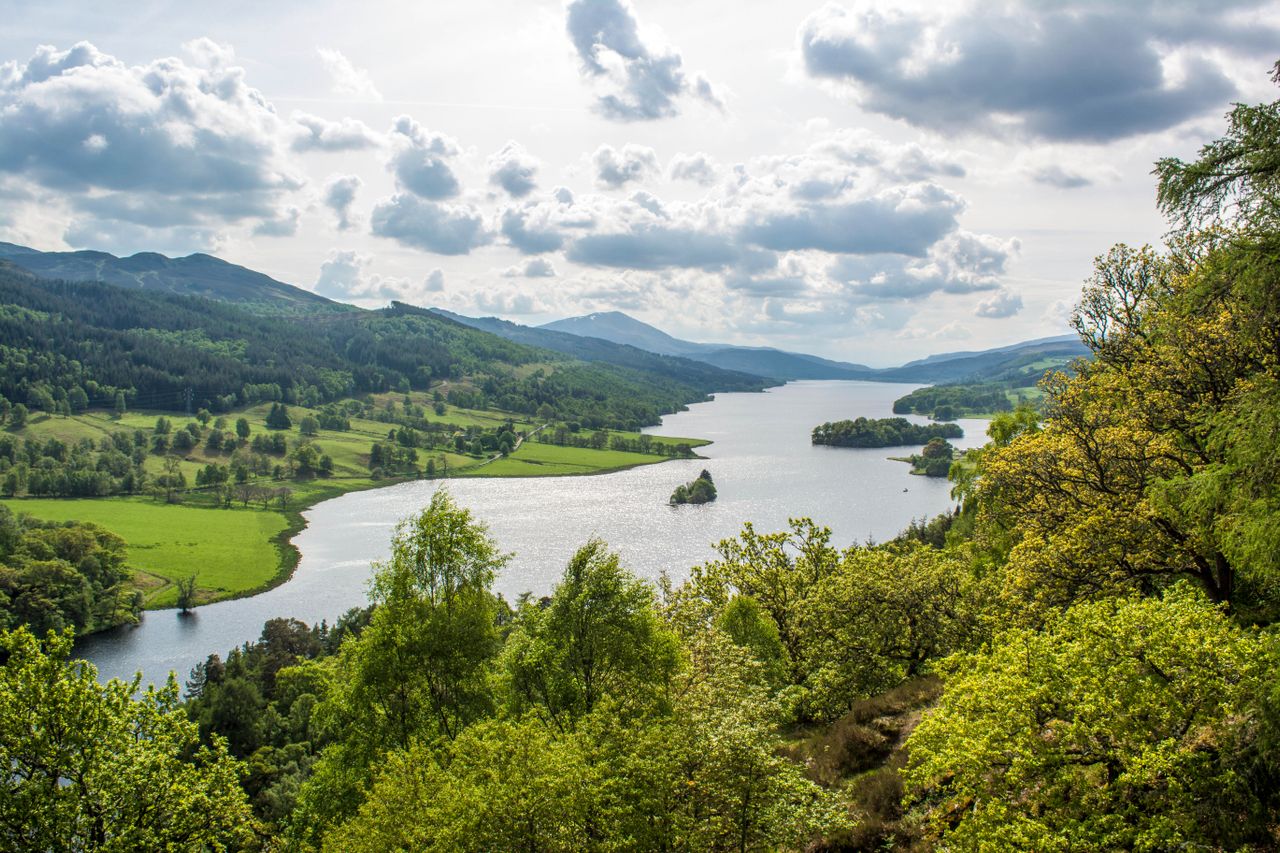
The Risoux forest is dominated by spruce and white fir, forming a dense canopy that filters light in all seasons. In winter, snow accumulates on the branches and transforms the massif into a monochromatic landscape. In summer, clearings reveal peat bogs and wetlands harboring discreet wildlife: roe deer, lynx (confirmed presence in the Jura), and numerous forest bird species.
History and Context
During World War II, the Risoux served as a clandestine passage for refugees fleeing the Occupation toward neutral Switzerland. Local passeurs guided Jewish families and resistance fighters through the forest, often at night and through the snow. This network of solidarity is commemorated today: several of these passeurs were recognized as Righteous Among the Nations.
Highlights of Your Visit
Cross-Country Ski Trails
The Risoux is crossed by Nordic trails linked to the Les Rousses domain, one of France's largest Nordic skiing areas. The routes run alongside the Swiss border for several kilometers, in near-total silence.
Summer Hiking
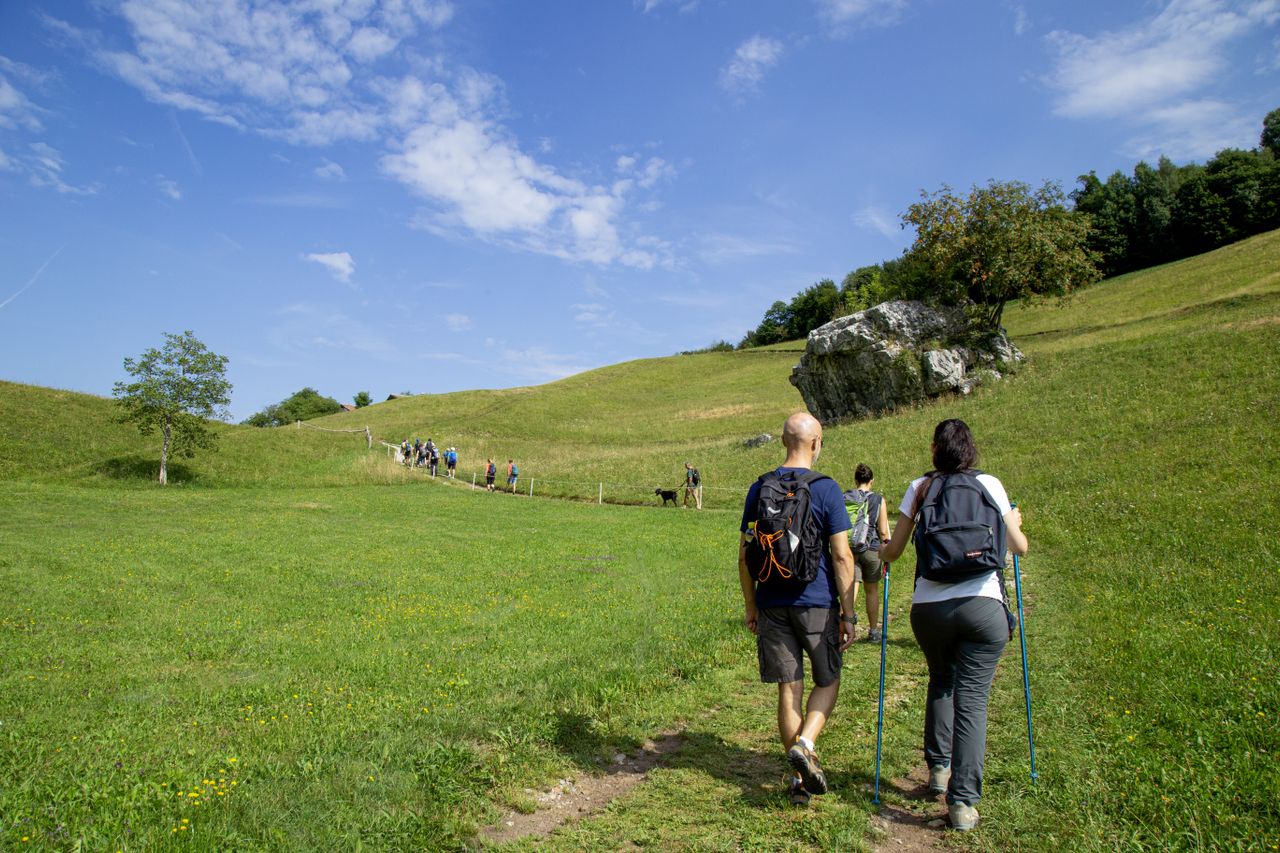
Marked trails allow you to traverse the forest on foot. Certain itineraries reach the Lac des Rousses or the Noirmont on the Swiss side. The fauna and flora of the peat bogs hold particular appeal for naturalists.
The Memorial Trail
A memorial route traces the paths taken by passeurs during the war. Explanatory panels mark the trail and place these events in their historical context.
Photography Tips
The raking morning light in winter, when snow covers the spruces, offers the most striking conditions. In summer, light shafts breaking through the dense forest are best sought mid-morning. The Franco-Swiss border, marked by historic boundary stones, makes an original photographic subject.
Location and Access
The Risoux Massif is located in the Jura department (39), on the border with the canton of Vaud. The main access towns are Les Rousses and Bois-d'Amont. From Geneva, allow approximately one hour of driving. From Lons-le-Saunier, the route to Les Rousses crosses the Jura plateau. There is no direct public transport to the heart of the forest; a vehicle is necessary to reach trailheads.
Nearby Attractions
- Lac des Rousses — body of water in immediate proximity, ideal for swimming in summer and ice-skating in winter.
- Les Rousses Resort — winter sports station managing the Nordic domain crossing the Risoux.
- Fort des Rousses — former military fortification converted into a Comté cheese aging cellar, visits available.
- Vallée de Joux — on the Swiss side, a watchmaking valley accessible from the massif, renowned for its watch manufactures.
Frequently asked questions
Winter (December to March) is peak season for cross-country skiing and snow-covered landscapes. Summer (June to September) suits hiking and wildlife observation. Spring and autumn remain pleasant but trails can be muddy.
The cross-country ski trails crossing the massif are part of the Les Rousses Nordic domain. A pass is required to use them during the winter season. Hiking on foot remains free and open year-round.
The Franco-Swiss border crosses the massif. Official passages exist nearby (particularly toward the Vallée de Joux). A valid travel document is necessary to cross the border.
The forest itself has no staffed shelters or restaurants. Plan to bring provisions. The villages of Bois-d'Amont and Les Rousses, at the forest's edge, offer shops and restaurants.
The memorial route is passable outside periods of heavy snow. In winter, some sections may be difficult to access without snowshoes. Check with the Les Rousses tourist office before departure.
Discover Risoux Massif with our itineraries
All our tours →
Want to discover this destination?
Our local advisors design your tailor-made trip.