Mountain Centre
The granite heart of Corsica, between Corte, the Restonica valley and Monte Cinto: pastoral villages, glacial lakes and the most demanding stages of the GR20.
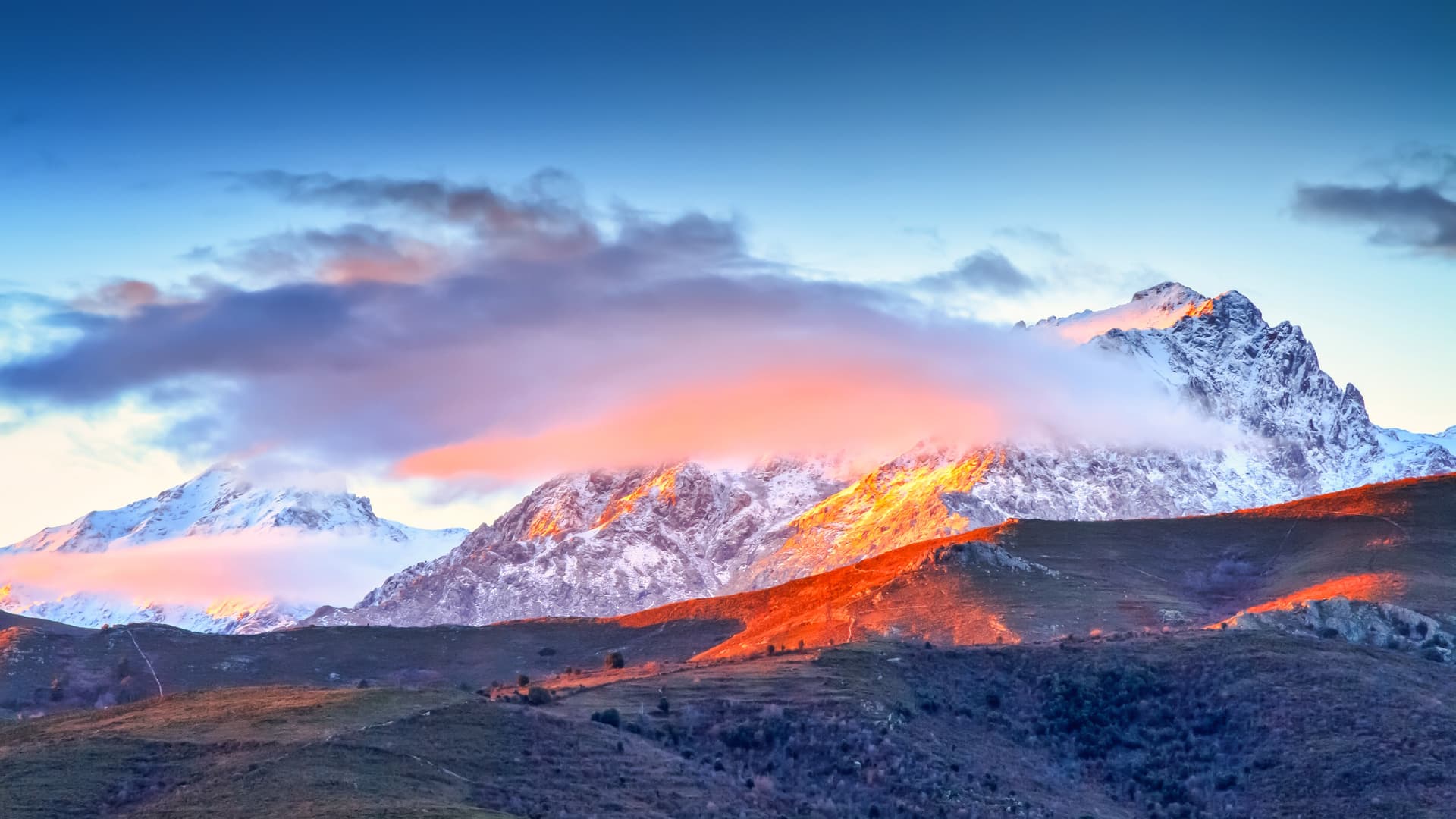
When we speak of the Mountain Centre to our travellers, we first evoke a ridgeline that divides Corsica into two slopes. Monte Cinto peaks at 2,706 metres, followed by Monte Rotondo (2,622 m) and Monte d'Oro (2,389 m). This granite spine commands the climate, vegetation and rhythm: here, you don't plan a day without watching the sky and weather on the ridges.
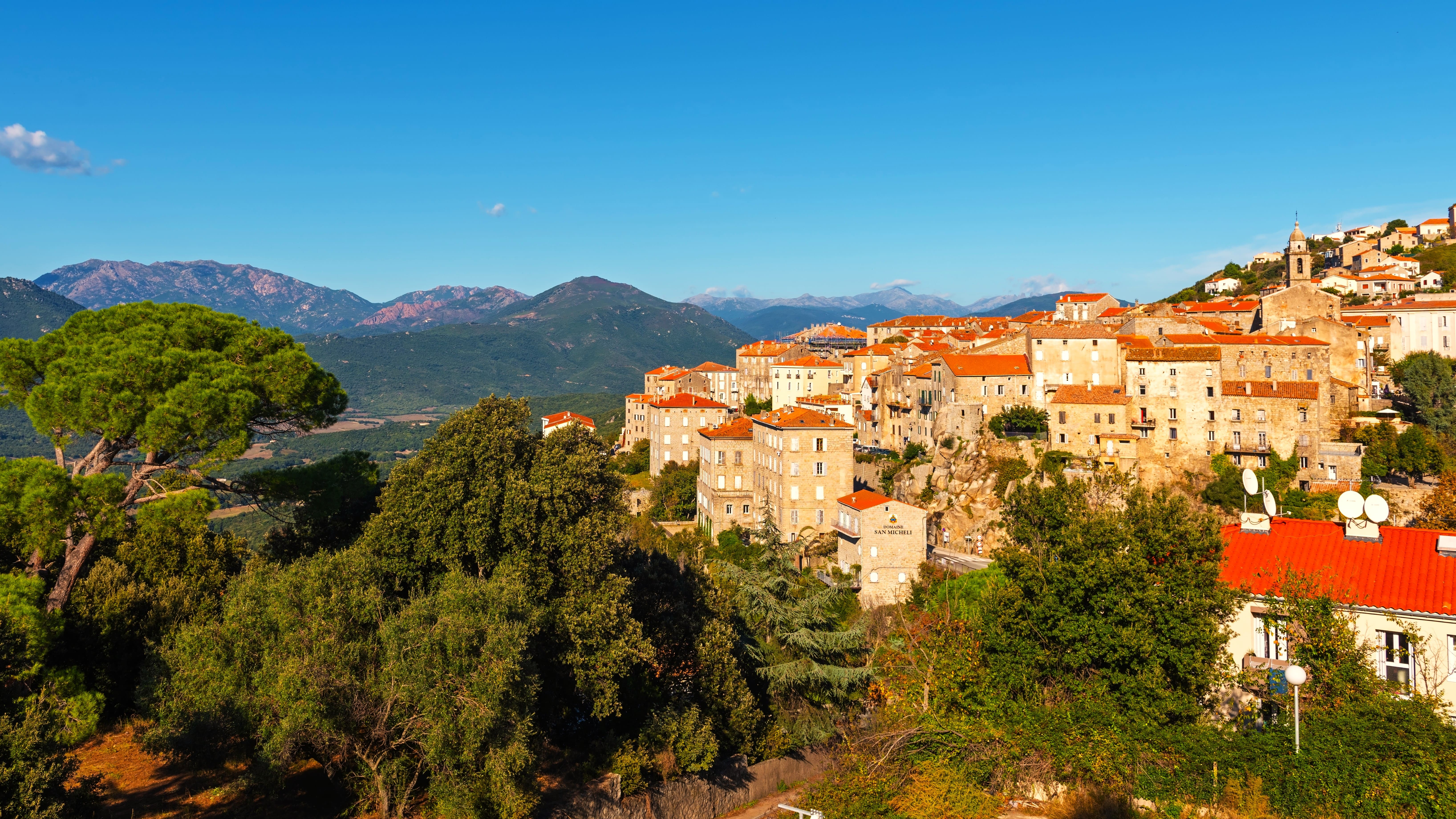
Corte is our natural gateway. The city, perched at 400 metres altitude where the Tavignano and Restonica rivers meet, is home to the University of Corsica Pasquale Paoli, founded in 1765 and reopened in 1981. The citadel houses the Museum of Corsica, which traces the island's anthropology through pastoralism, craftsmanship and religious confraternities. It's in the narrow streets of the upper town that we direct our travellers to taste veal with olives, sturzapreti with herbs from the maquis, or pulenda made from chestnut flour served with grilled figatellu.
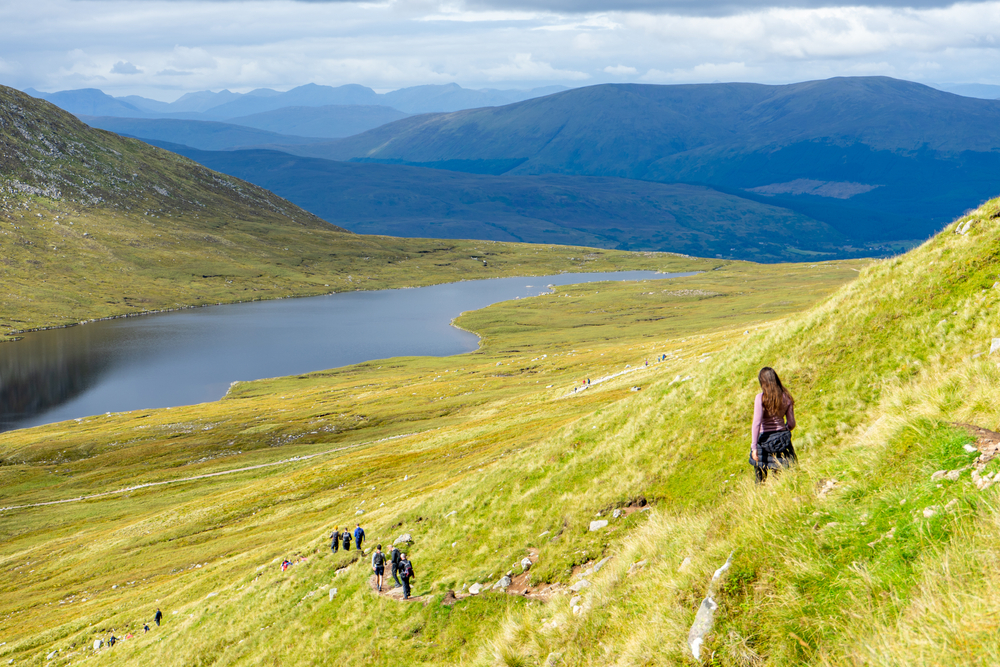
About twenty minutes from Corte, the Restonica valley cuts into the massif. The narrow road leads to the Grotelle shepherd's hut (1,370 m), the departure point for the lakes of Melo (1,711 m) and Capitello (1,930 m). In high season, vehicle access is regulated by a shuttle system from Corte. The parallel Tavignano valley is accessible only on foot: four hours of climbing to the Sega refuge, in a valley without roads where a few active shepherd's huts still remain.
Further south, Vizzavona marks the pass of the same name at 1,163 metres, crossed by the Bastia-Ajaccio railway line. Vizzavona station, isolated deep within a forest of beeches and Corsican pines, is a legendary stage on the GR20, which crosses the island over 180 kilometres. Hikers catch their breath here between the more mineral and demanding northern stages (Cirque de la Solitude, Capitello breach) and the more forested southern stages. The Corsican pine, endemic to the region, can exceed 50 metres in height and live for 500 years in the Valdu-Niellu forest at the foot of Cinto.
The villages of Niolu, around Calacuccia and its reservoir lake, form a pastoral enclave at 800 metres altitude. The Santa di u Niolu fair, held in early September at Casamaccioli, has brought together since the 15th century shepherds, singers of paghjella (polyphony inscribed on UNESCO's intangible cultural heritage) and cheese merchants. Fresh brocciu, made from whey of sheep or goat milk, is here an identity product, not merchandise for tourists.
The Centre is also an economy that endures: summer transhumance towards high pastures above 1,500 metres, breeding of Corsican pigs in semi-freedom within chestnut forests, production of maquis honey. We direct towards this Corsica travellers who want to understand the island beyond its beaches, hike for several days, sleep in refuges or gîtes d'étape, and encounter a daily life that remains largely pastoral.
Things to discover
Lakes Melo and Capitello in Restonica. Two-and-a-half-hour climb from Grotelle between granite slabs and alpine meadows. The two glacial lakes remain partially frozen until May and reflect the needles of Lombarduccio.
Citadel and Museum of Corte. The upper town can be explored in half a day. The regional museum presents rural Corsica, its tools, textiles and songs, with a sweeping view over the Tavignano and Restonica confluence.
GR20 stage at Vizzavona. Pivot point of the great trail, accessible by train from Ajaccio or Bastia. Possibility to walk two or three days on this section without committing to the full GR20.
Niolu and lake of Calacuccia. Pastoral plateau ringed by Cinto and Paglia Orba. Visits to active shepherd's huts, tastings of brocciu and aged tomme cheeses.
Valdu-Niellu Forest. One of the oldest Corsican pine forests, crossed by easy family trails. Some trees exceed 400 years of age.
When to go
The best window runs from mid-June to mid-September. Before June, snow lingers on the passes and high-altitude lakes: the northern GR20 is technically passable only from 10-15 June depending on the year, and the Restonica shepherd's huts rarely open before mid-May. In July-August, Corte ranges between 28 and 32 °C during the day, but nights at altitude drop to 8-12 °C above 1,500 metres. Afternoon thunderstorms are frequent on the ridges between 2pm and 5pm in summer: we recommend starting early and being back down by early afternoon.
September and early October offer stable conditions, remarkable chestnut forest colours and trail traffic reduced by a third. From November onwards, the first snowfalls progressively close access roads (Restonica, Vergio pass), and from December to March much of the region shifts into winter mode, with a small ski station at Ghisoni-Capannelle and at Vergio pass. Best avoided for hikers without experience in snowy mountain terrain.
Practical tips
We recommend a minimum of three nights to grasp the Centre, ideally four or five if you want to combine Corte, a day in Restonica, Niolu and a GR20 stage. The most convenient entry point is Bastia airport (1 hour 20 minutes' drive to Corte) or Ajaccio airport (1 hour 30 minutes). The Bastia-Ajaccio train, which serves Corte and Vizzavona, is an interesting option for travellers without a car: we use it regularly for combinations without vehicle rental.
The Centre naturally combines with Balagne (1 hour 15 minutes from Corte via the Scala di Santa Regina) to blend mountains and coastal villages, or with the West Coast and the Gulf of Porto via the Vergio pass (1 hour 30 minutes of scenic driving). Comfort falls short of beach resort standards: family-run 2 to 3-star hotels in Corte, gîtes d'étape and mountain refuges. This region is suited to hikers, contemplatives and travellers curious about inner Corsica. Families with young children will also find easy forest walks and natural pool swimming, but not the comfort of a beach stay.