Eastern Coast and Castagniccia
Long beaches of the eastern plain, Lake Diane and its oysters, baroque villages nestled in the chestnut groves of Castagniccia: agricultural and inland Corsica.
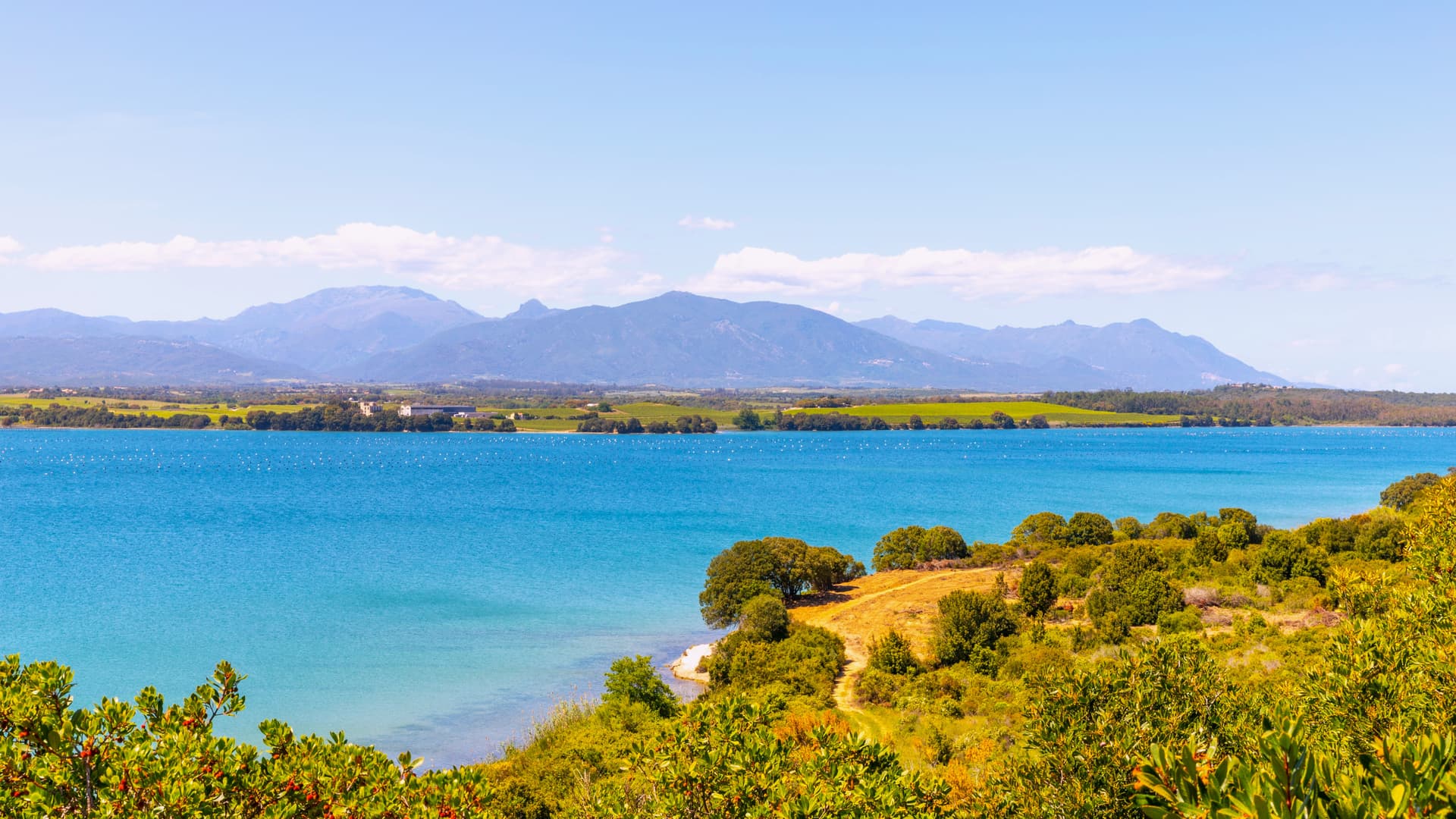
The eastern coast stretches 80 kilometres of almost continuous sandy beaches, from Solenzara in the south to the outskirts of Bastia. It is the island's only truly flat coastline, inherited from an alluvial plain—the eastern plain—long swampy and plagued by malaria until its drainage in the 1950s. Today, vineyards (heritage niellucciu varieties), citrus groves around Aléria, and clementines from the Linguizzetta region create a rare agricultural landscape for Corsica. At the centre of this plain lies Lake Diane, exploited since Roman times and still producing oysters and mussels that we arrange for guests to taste directly from the Diana producers.
Aléria, founded by Phocaeans around 565 BC and later Romanised, preserves an archaeological site and the Jérôme Carcopino museum, which holds one of the most important Etruscan collections outside Italy. Further south, the Urbino pond nature reserve shelters pink flamingos in winter and maintains shellfish farming activity. The coast lends itself to leisurely relaxation rather than coastal hiking: no dramatic coves here, but long, accessible beaches, sparsely developed compared to the west coast.
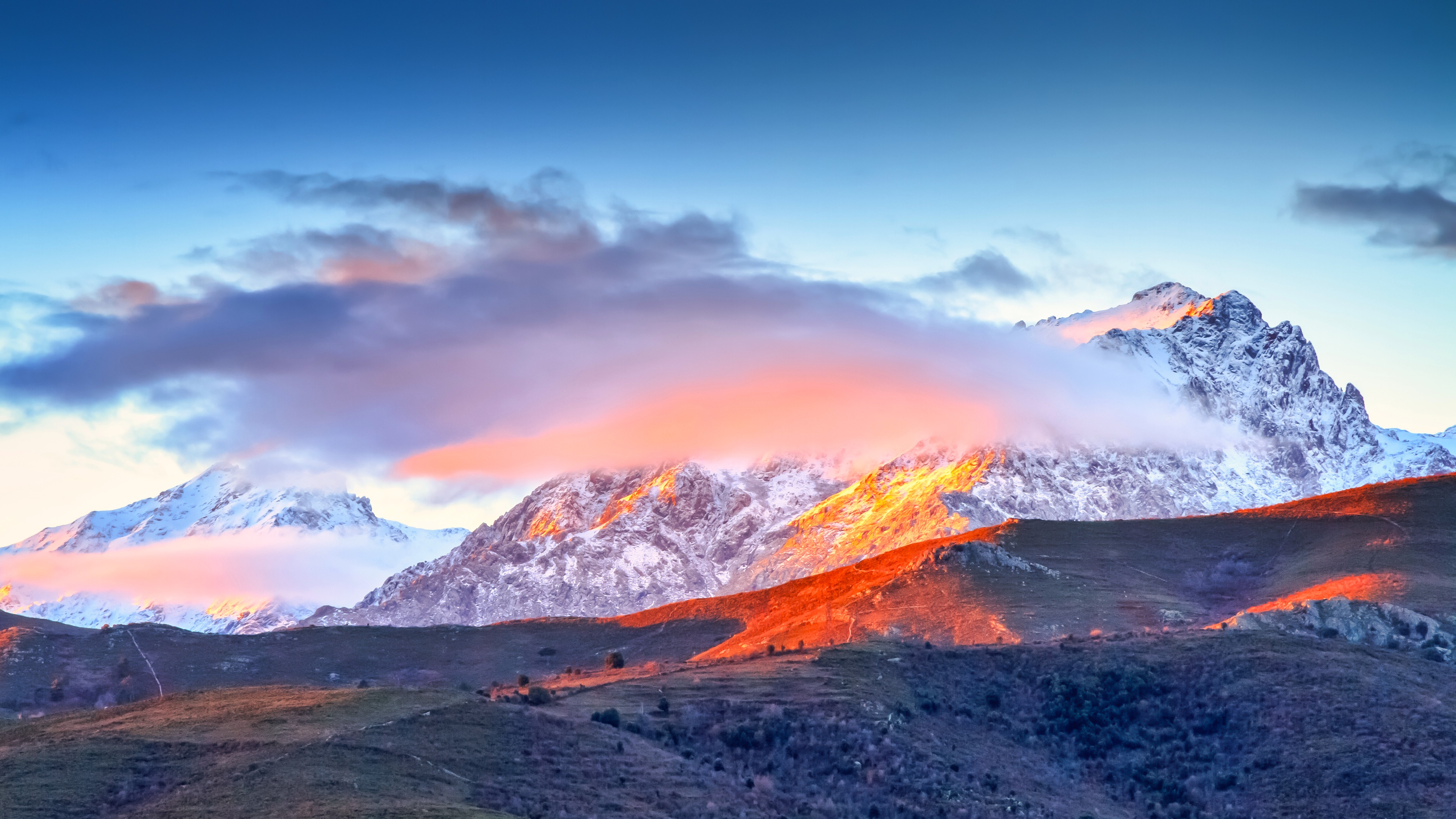
Behind this plain, the terrain rises abruptly. Castagniccia occupies a lustrous schist massif crowned by Monte San Petrone (1,767 metres), blanketed in a chestnut forest planted extensively by the Genoese in the 16th century. For four centuries, the chestnut tree fed the island: flour, storable for years, replaced wheat that the mountains could not produce. The region counted 60,000 inhabitants in the 19th century; today it has fewer than 3,000. Villages cling to the slopes between 600 and 900 metres: La Porta with its baroque bell tower from 1720, Piedicroce with its historic 1619 organ, Morosaglia, birthplace of Pasquale Paoli, father of independent Corsica from 1755.
Climate sharply distinguishes the two areas. The plain experiences hot, dry summers, comparable to the rest of the coast. Castagniccia, exposed to humidity-laden easterly winds, receives 1,200 to 1,500 mm of rain annually—two to three times more than the west coast. This moisture explains the forest density and the persistence of ferns, high-altitude beech, and numerous springs. Autumn fogs, frequent in October-November, lend the villages a particular atmosphere that contrasts sharply with postcard-perfect Corsica.
Gastronomically, the region concentrates products found nowhere else with such density: polenta made from chestnut flour served with figatellu (pork liver sausage), fresh brocciu cheese, AOP chestnut honey, and nustrale pork charcuterie raised semi-wild in the chestnut groves. We arrange visits to the charcutiers of Valle-d'Alesani and chestnut flour producers from the Bocognano confraternity, who gather for the Fiera di a Castagna every last weekend of November in Bocognano (a mountain centre closely linked to Castagniccia).
For travellers, Castagniccia must be earned: narrow roads, tight hairpins, accommodation limited to a few guesthouses and family-run inns. This is precisely what makes it terrain for those seeking an inland, little-visited Corsica, where you encounter more free-roaming pigs than rental cars.
To discover
Aléria archaeological site. Remains of the Roman city and Carcopino museum's Etruscan collection, perched on a promontory overlooking the plain and Lake Diane. Allow 2 hours for a visit, ideally in the morning before the heat.
Oyster tasting at Lake Diane. Oyster farms in operation since antiquity. We arrange a visit to a Diana producer with tasting by the water's edge, oysters and mussels paired with a glass of white wine from the eastern plain.
Baroque villages of Castagniccia. La Porta, Piedicroce, Carcheto with their late baroque churches (17th-18th centuries), heritage from a period when the region was the island's richest. A day-long loop drive with photo stops and lunch at a family inn.
Ascent of Monte San Petrone. Castagniccia's summit at 1,767 metres, accessible in 5 to 6 hours round-trip from Prato pass. Clear views across the entire central range and, on clear days, the Tuscan archipelago.
Chestnut harvest in October-November. We accompany a half-day visit to a chestnut farmer in the Alesani valley: gathering, drying in a traditional sechjatoghju, transformation into flour. Activity available only mid-October to mid-November.
When to visit
The eastern coast is best visited May to October, with daytime temperatures of 22 to 28°C in summer and warm sea water (24-26°C in August). July-August concentrate beach visits without reaching west coast saturation. Avoid December to February on the plain: little activity, many establishments closed, and mild but humid climate (10-14°C).
Castagniccia follows a different calendar. The best windows are May-June for cool weather and wildflowers, and especially October-November for autumn colours and the chestnut harvest. Summer remains pleasant there (24-26°C) but villages see little animation. Winter, between 600 and 900 metres altitude, regularly brings snow and persistent fog: we advise against December to March except for a very specific winter gastronomy-focused stay. Expect 1,200 to 1,500 mm of annual precipitation, concentrated October to April.
Practical advice
Allow 3 to 4 days to cover the region: 1 day on the eastern plain (Aléria, Lake Diane, beaches), 2 to 3 days in Castagniccia for villages, a hike and producer visits. Distances are short in kilometres but slow in time: 40 km of mountain roads easily demand 1.5 hours. Bastia-Poretta airport, 20 minutes from the eastern plain and 45 minutes from the first Castagniccia villages, is the logical entry point.
The region combines naturally with Cape Corse to the north (1.5 hours from Bastia) for a northeast circuit of 8 to 10 days, or with the mountain centre via Prato pass for an inland loop. Accommodation remains modest: characterful guesthouses, family-run inns, a few 3-star hotels on the coast. No luxury palaces here. Our English-speaking team directs contemplative travellers, food enthusiasts, lovers of Corsican history or baroque heritage, and hikers seeking uncrowded trails to this destination. For a first Corsica discovery centred on spectacular landscapes, we recommend instead the west coast or the far south.