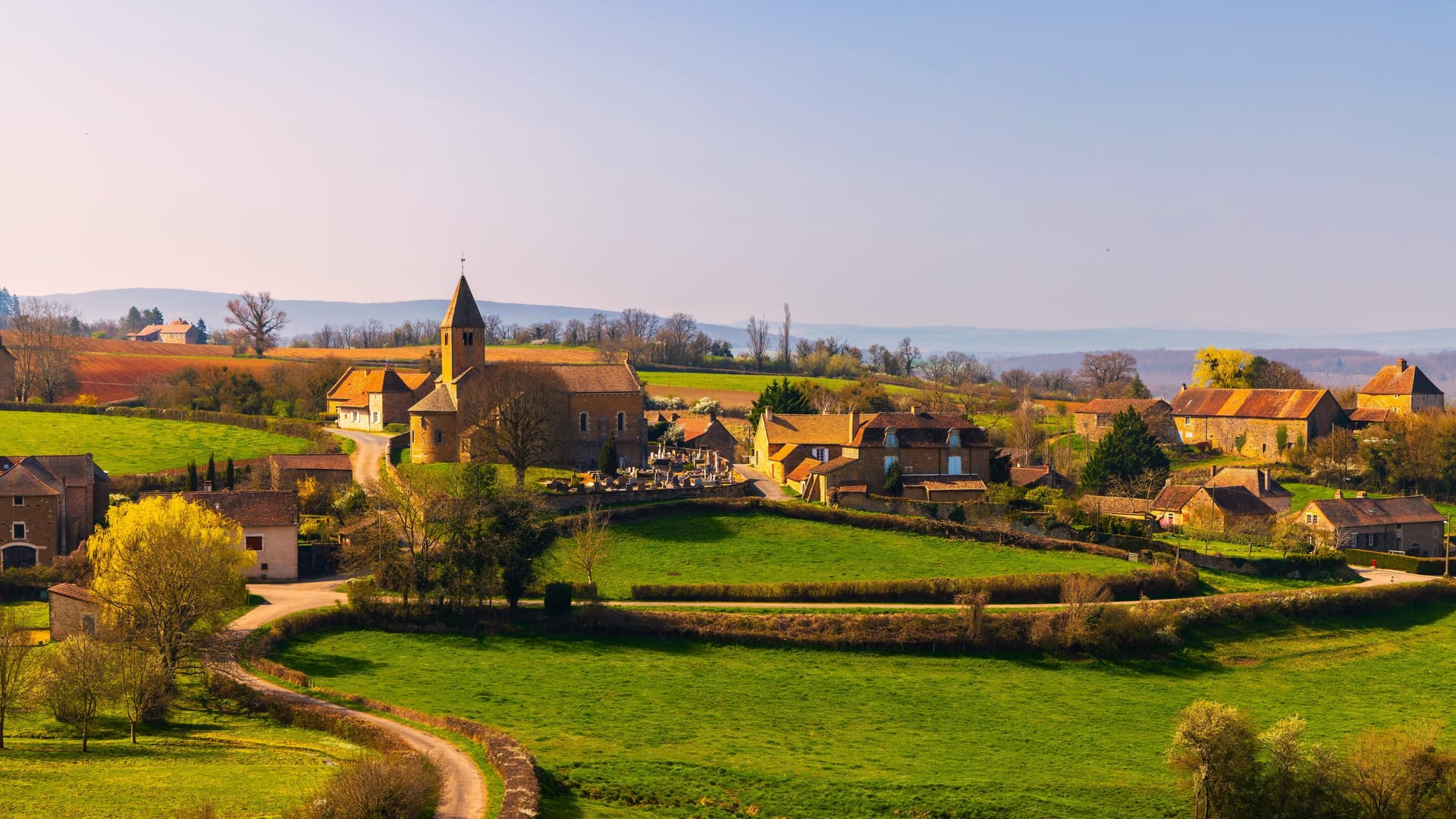
Franche-Comté
Franche-Comté: Vauban citadel, Royal Saltworks, Jura lakes and protected cheeses. A region in northeastern France where pristine nature meets exceptional industrial heritage.
A former administrative region in northeastern France, Franche-Comté today encompasses the departments of Doubs, Jura, Haute-Saône and Territoire de Belfort, integrated into the Bourgogne-Franche-Comté region since 2016. Jura massif, deep-cut valleys, glacial lakes, cheese-making traditions and clock-making towns: the territory combines unspoiled nature with unique industrial expertise found nowhere else in Europe.
Quick reference
- Access: TGV Paris–Besançon Franche-Comté TGV in under 2 hours; A36 motorway (Mulhouse–Dijon corridor).
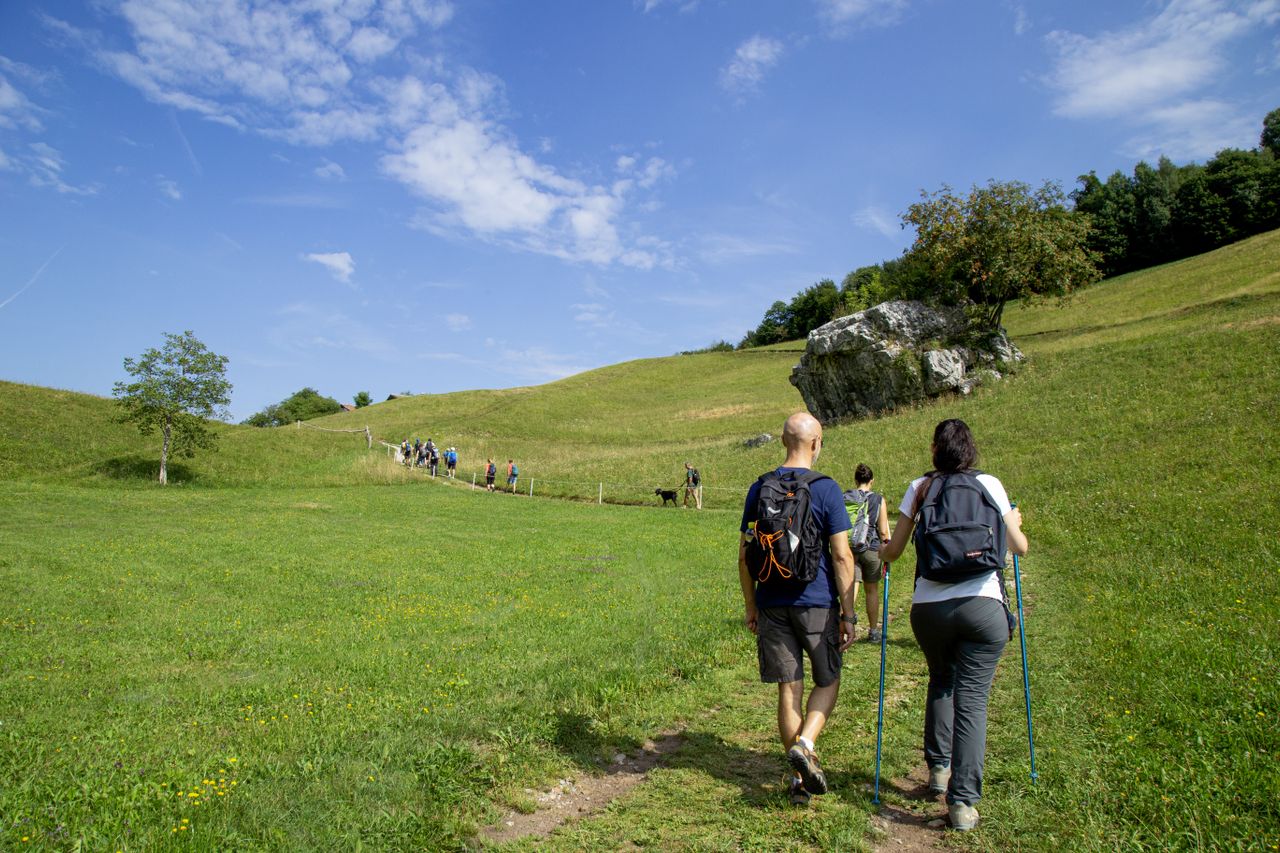
- Best time to visit: May–October for hiking and lakes; December–March for cross-country skiing and snowshoeing.
- Recommended duration: 4 to 7 days to cover major sites.
- Clothing: hiking boots essential in the mountains; warm layers even in summer at altitude.
What to see
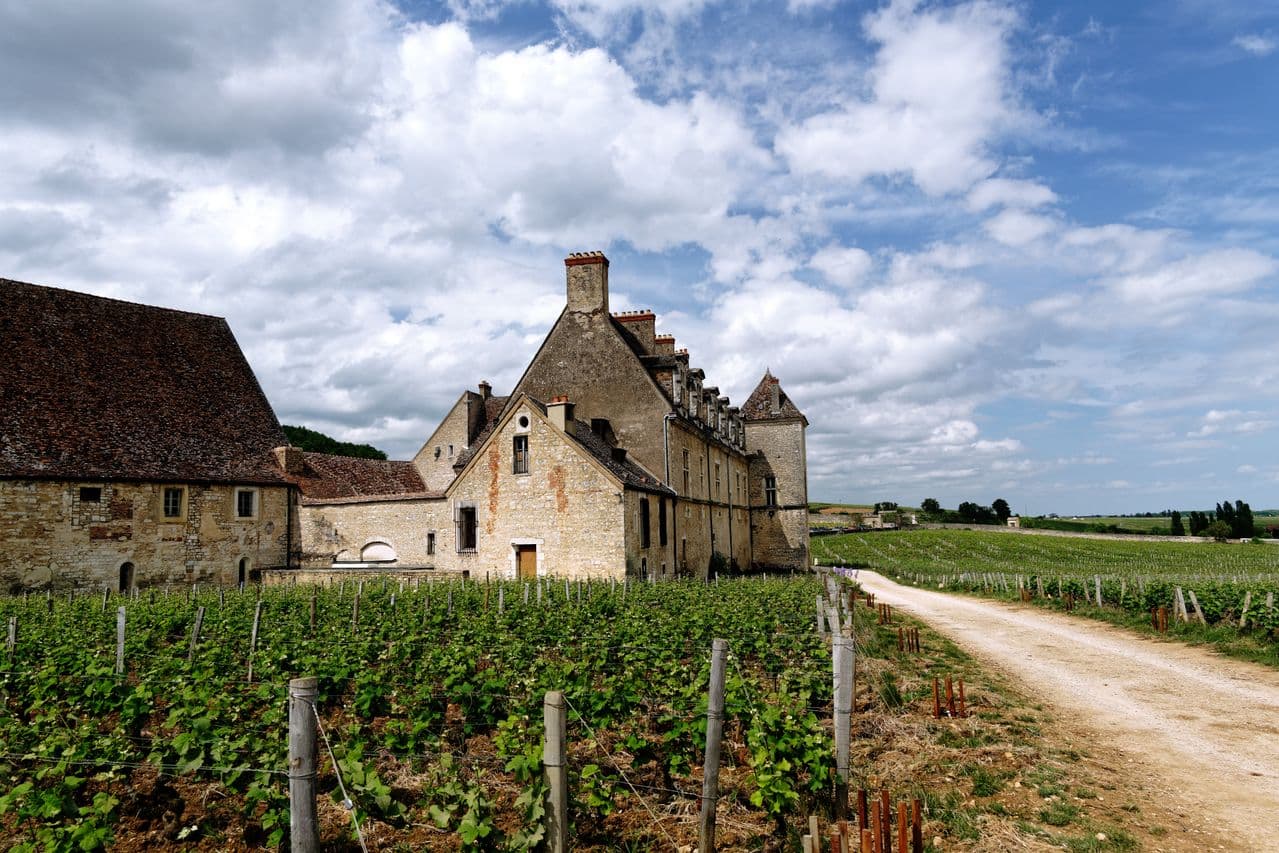
The landscape alternates between limestone plateaus, reculées (dramatic dead-end valleys) and evergreen forests. The lakes of Chalain, Clairvaux and Vouglans offer turquoise waters in the heart of the Jura. The Hérisson waterfalls, the Loue gorges and the Lison spring are among the most visited natural sites. On the built heritage side, the Vauban citadel in Besançon (UNESCO-listed) and the Royal Saltworks of Arc-et-Senans stand out.
History and context
The name "Franche-Comté" (Free County) dates back to the Middle Ages: the territory claimed autonomy from the Holy Roman Empire. Definitively annexed to France by Louis XIV in 1678 (Treaty of Nijmegen), it retains a strong identity. Vauban built several fortifications there; the watchmaking industry flourished from the 17th century onwards, notably in Besançon and the Upper Doubs.
Highlights of a visit
Besançon Citadel
Built by Vauban in the late 17th century on a rocky outcrop overlooking the Doubs, the citadel houses three museums (Resistance, Natural History, and local heritage) and a zoo. It is part of the Major Vauban Sites network, inscribed on UNESCO's World Heritage list.
The Royal Saltworks of Arc-et-Senans
Designed by Claude-Nicolas Ledoux in the 18th century, this salt manufacturing plant is a masterpiece of utopian neoclassical architecture. It hosts permanent exhibitions and cultural events, and is also on the UNESCO World Heritage list.
The Hérisson waterfalls
In the Jura, the Hérisson stream tumbles through a series of falls over several kilometers, including the Éventail (Fan) waterfall and the Grand Saut (Great Leap). A marked trail runs along the entire course.
Upper Doubs and the Jura reculées
The reculées of Baume-les-Messieurs and Polvigny offer panoramic views of vertical limestone cliffs. The village of Baume-les-Messieurs, with its medieval abbey, is classified among France's Most Beautiful Villages.
Gastronomy and cheese
The region produces three major protected cheese denominations: Comté, Morbier and Mont d'Or. Fruitières (cheese-making cooperatives) open their doors to visitors. Jura yellow wine and straw wine round out a distinctly local table.
Photography tips
The reculées are best photographed late in the morning, when light enters the deep valleys. Jura lakes shine early in the day, before the wind picks up. For Besançon's citadel, the Queen's Tower viewpoint frames the Doubs meander beautifully.
Location and access
Franche-Comté stretches between Burgundy to the west, Alsace to the northeast and Switzerland to the southeast. Besançon is the historic capital and main rail hub. Belfort and Lons-le-Saunier serve as other gateways. Basel-Mulhouse-Fribourg airport serves the northeastern fringe. The regional bus network (Mobigo / Bourgogne-Franche-Comté lines) connects medium-sized towns, but a vehicle is necessary for isolated natural sites.
Nearby attractions
- Besançon Citadel — Vauban fortress UNESCO-listed, overlooking the Doubs meander.
- Royal Saltworks of Arc-et-Senans — utopian 18th-century architecture, the region's second UNESCO site.
- Hérisson Waterfalls — gorge trail and waterfalls in the Jura.
- Baume-les-Messieurs — medieval village in a reculée, abbey and caves.
- Chalain Lake — glacial lake with clear waters, prehistoric stilt settlement site on UNESCO list.
- Pontarlier and Upper Doubs — absinthe capital, gateway to the Franco-Swiss Jura massif.
Frequently asked questions
May to October for hiking, lakes and cheese-making visits. December to March for cross-country skiing (particularly around Métabief and Les Rousses) and snowshoeing on the plateaus.
Yes, for most natural sites (waterfalls, reculées, lakes). Major cities like Besançon and Belfort are accessible by train, but isolated valleys require a car or bicycle.
Comté (aged in a fruitière), Morbier (recognizable by its ashy line) and Mont d'Or (seasonal, October to March) are the three emblematic protected denominations. Local fruitières often offer tours and tastings.
Yes. Belfort and Montbéliard are less than an hour from Mulhouse. A 7 to 10-day itinerary allows you to cover both regions via the Sundgau and the Southern Vosges.
Besançon Citadel and the Royal Saltworks of Arc-et-Senans charge admission. Prices vary by season and temporary exhibitions; consult official websites for current rates.
Yes. Besançon Citadel has a zoo and interactive museums. Jura lakes feature supervised beaches in summer. The Hérisson waterfall trails are accessible for fit children.