Paimpont Forest (Brocéliande)
Paimpont Forest (Brocéliande)
Paimpont Forest, also known as Brocéliande, blends ancient oak groves, ponds, and Arthurian legends 50 km from Rennes. The Valley of No Return, Barenton Spring, abbey, and Comper Castle form an itinerary between nature and medieval myths.
Paimpont Forest, known by its legendary name Brocéliande, stretches across approximately 9,000 hectares in Ille-et-Vilaine, roughly fifty kilometres west of Rennes. Associated with Arthurian tales—Merlin, the fairy Viviane, the Knights of the Round Table—it blends ponds, heathland, oak groves, and megalithic sites. This forest massif is among the rare inland Breton woodlands to preserve such a density of legend and natural heritage.
Practical information at a glance
- Access: from Rennes, take the N24 towards Lorient, then reach Paimpont via the D40; no direct rail link to the village.
- Recommended duration: a full day for the main sites; a weekend to explore in depth.
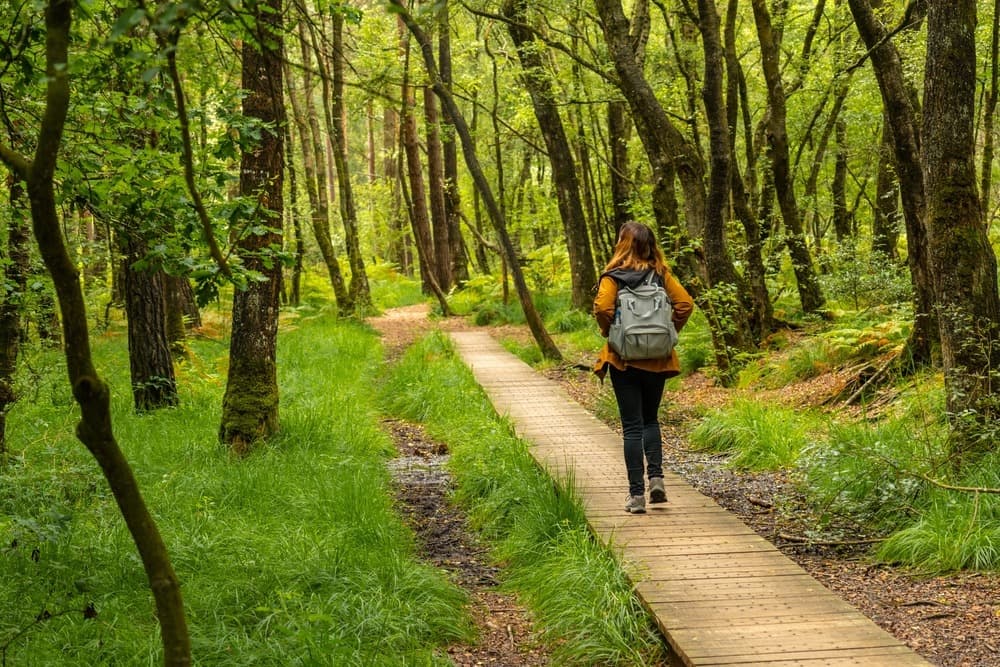
- What to wear: hiking boots recommended, terrain can be muddy throughout the year.
- Entry: the forest is free to access; some managed sites (Comper Castle, Paimpont Abbey) charge admission.
- Accessibility for visitors with reduced mobility: limited on forest trails; some site approaches accessible by car.
What you'll see
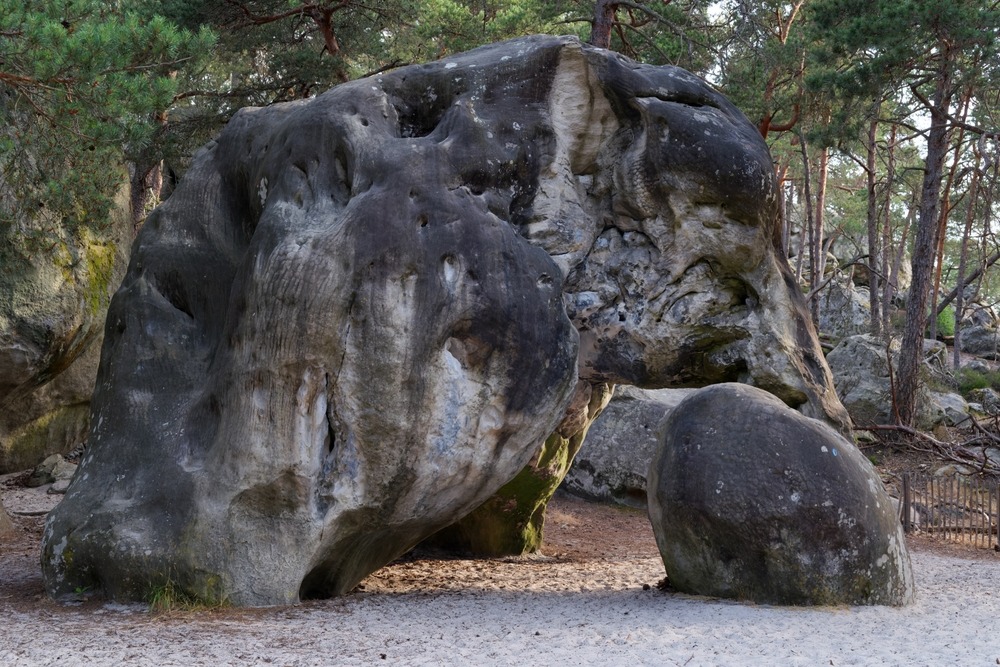
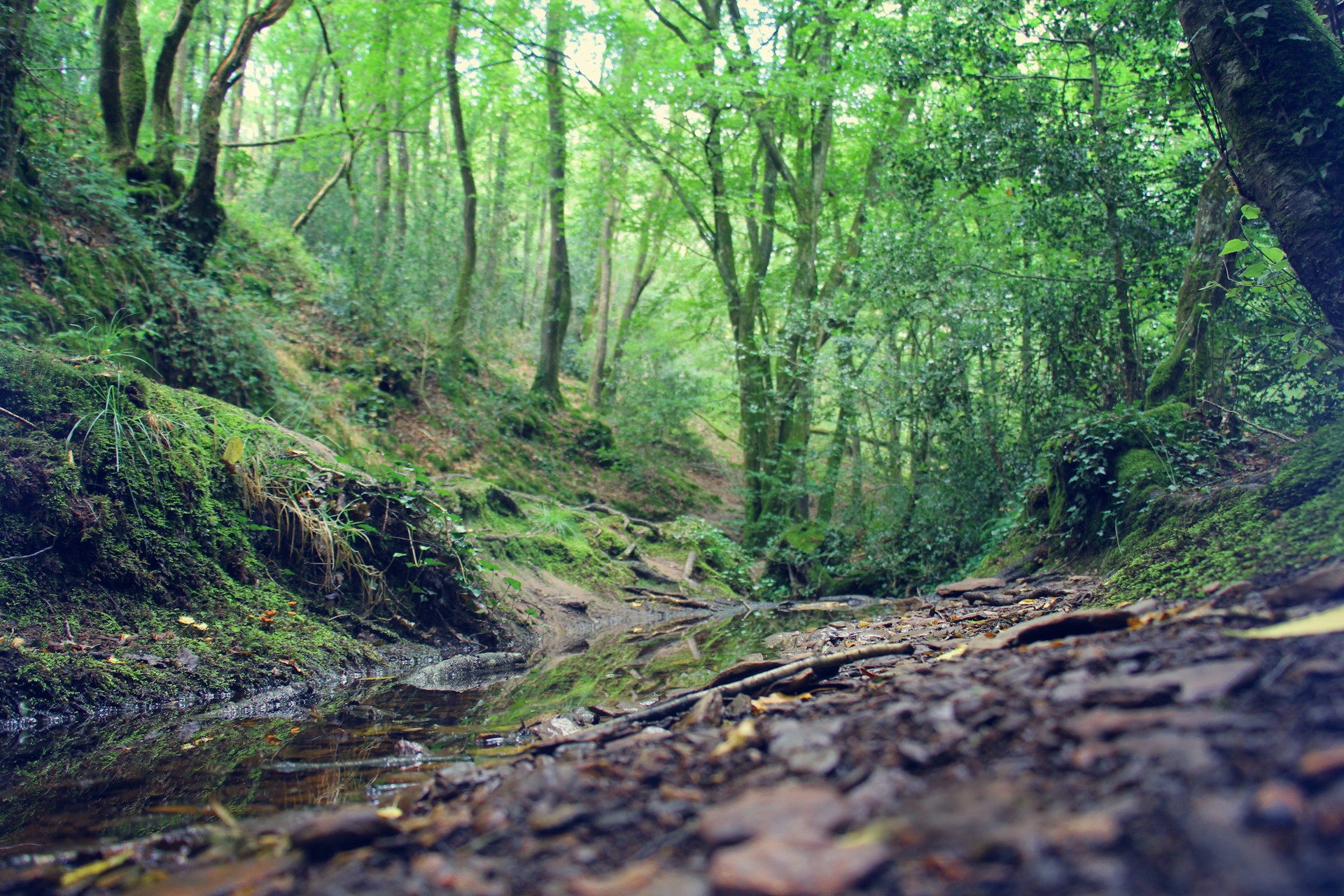
The forest alternates between centuries-old oak groves, heathland with heather, and ponds with dark reflections. The most-visited sites are Barenton Spring, the Valley of No Return, Merlin's Tomb, the Mirror of the Fairies pond, and Comper Castle, which houses the Centre of Arthurian Imagination. The Cistercian abbey of Paimpont, founded in the 7th century, borders the village pond.
History and context
The name Brocéliande appears as early as the 12th century in texts by Wace and Chrétien de Troyes, who set episodes of the Arthurian cycle there. The forest today is a remnant of a vastly larger massif that once covered much of inland Brittany. Paimpont Abbey, founded according to tradition by King Judicaël, structured life in the territory for centuries. The megaliths present in the massif testify to human occupation long before medieval legends.
Highlights of your visit
The Valley of No Return
This sunken valley, associated with the fairy Morgane, offers a marked circuit of approximately 8 km. The trail runs alongside heathland, red schist rocks, and the Mirror of the Fairies pond. Low-angle late-day light accentuates the contrasts in vegetation.
Barenton Spring
An isolated spring deep in the massif, it is linked in medieval texts to the invocation of storms. Access is on foot from the Folle-Pensée car park. The site remains understated: a few stones, water, and a particularly silent atmosphere.
Comper Castle
Rebuilt in the 19th century on medieval foundations, it houses the Centre of Arthurian Imagination, which offers exhibitions and activities around Brocéliande legends. The surrounding pond is associated with the lake where Viviane reportedly raised Lancelot.
Paimpont Abbey
Still active, the Gothic abbey borders the village's central pond. It preserves a Black Virgin statue and Romanesque elements. Interior visits are possible according to public opening hours.
Photography tips
The Valley of No Return photographs best in late afternoon, when oblique light colours the schist rocks. The ponds (Mirror of the Fairies, Paimpont pond) offer beautiful reflections early in the morning, before wind ripples the surface. In autumn, the oak groves take on particularly rich copper hues. Avoid peak days (spring weekends) for the narrower sites.
Location and access
Paimpont is located in Ille-et-Vilaine, in the Brocéliande region. From Rennes, allow approximately 45 minutes by car. No train station in Paimpont; a car remains the most practical option. Seasonal shuttles may operate from Rennes—check with the local tourist office. Local guides offer themed hikes departing from the village.
Nearby attractions
- Rennes — the Breton capital, less than an hour away, with its parliament and medieval streets.
- Josselin Castle — medieval fortress on the Oust, approximately 40 km southwest of Paimpont.
- Ploërmel — nearby market town, gateway to Duc Lake and the region.
Frequently asked questions
Spring and autumn are the most pleasant seasons: dense vegetation in spring, warm colours in autumn. Summer draws more visitors to iconic sites. Winter offers a wilder atmosphere, but some trails may be muddy.
Yes, in the vast majority of cases. Sites are spread across several kilometres and no regular public transport network serves the entire massif. Seasonal shuttles may operate from Rennes; check with the Brocéliande tourist office.
Yes. Josselin Castle and the town of Ploërmel are accessible in less than an hour. From Rennes, one day allows you to cover the main Paimpont sites before returning in the evening.
Most marked circuits are suitable for families with child hikers. The Valley of No Return (approximately 8 km) can be shortened. Bring closed-toe shoes and waterproof clothing regardless of season.
In the forest and at natural sites, photography is unrestricted. Inside Comper Castle and Paimpont Abbey, check posted rules on site, as they may vary by area.
A full day allows you to cover the Valley of No Return, Barenton Spring, and Paimpont Abbey. To add Comper Castle and explore secondary trails, plan for a weekend.
Photos
Discover Paimpont Forest (Brocéliande) with our itineraries
All our tours →
Interested in this visit?
We can include it in your personalised itinerary.