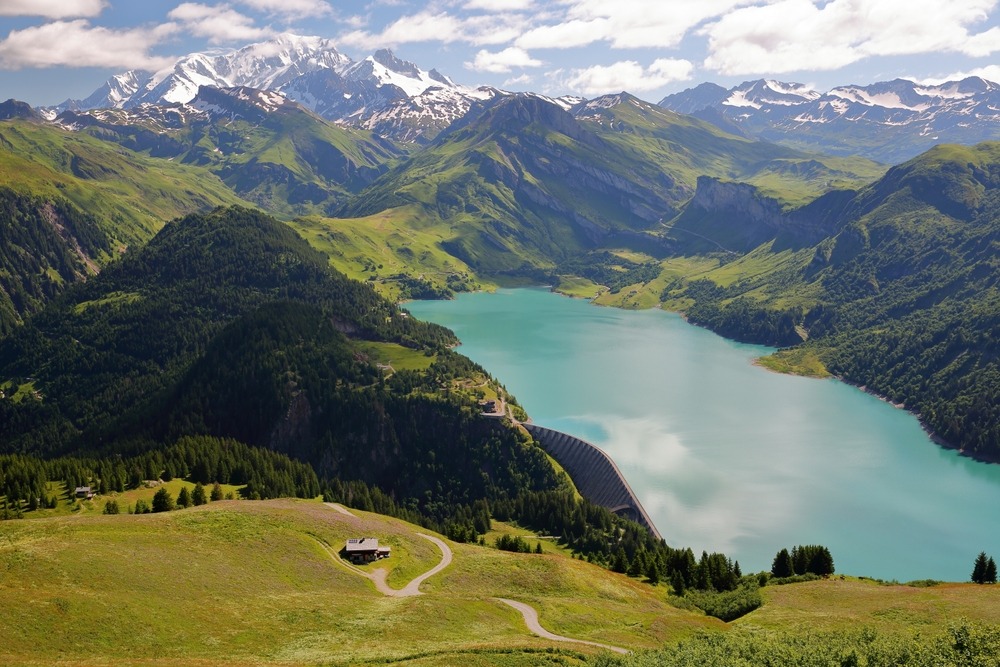
Abisko
Abisko, in Swedish Lapland, is one of the world's best places to witness the Northern Lights. National park, canyon, midnight sun, and the launch of the Kungsleden: an Arctic village with many faces.
Abisko is a village in Swedish Lapland, nestled on the shores of Lake Torneträsk, approximately 200 km north of the Arctic Circle. Renowned for its Northern Lights among the most visible in Scandinavia, it also hosts a protected national park, tundra and fjäll landscapes, and midnight sun in summer. It is a major starting point for hiking and night sky observation.
Quick Facts at a Glance
- Access: Train from Kiruna (approximately 1 hour 30 minutes) via the Malmbanan line; stops at Abisko Turiststation or Abisko Östra.
- Recommended duration: 2 to 5 days depending on activities (hiking, Northern Lights, cross-country skiing).
- Northern Lights season: September to March, with peak visibility between November and February.
- Midnight sun: Visible from late May to mid-July.
- Clothing: Extreme cold gear essential in winter (−20 °C common); waterproof clothing in summer.
- National park: Free entry; respect Swedish right of public access rules (allemansrätten).
What to See
The Abisko National Park covers approximately 77 km² of Arctic landscapes: glacial valleys, turquoise rivers, dwarf birches, and snow-capped peaks. Lake Torneträsk, one of Sweden's largest lakes, borders the village to the south. In winter, snow transforms the region into cross-country skiing and snowshoeing terrain. In summer, Arctic flowers carpet the hillsides.
History and Context
Abisko owes its development to the Malmbanan railway line, built in the early 20th century to transport iron ore from Kiruna to the port of Narvik. The tourist station (Abisko Turiststation) was founded in 1902 by the Svenska Turistföreningen. The national park was established in 1909, one of Europe's first.
Highlights of Your Visit
The Aurora Sky Station
Accessible by cable car from the Turiststation, this platform perched on Mount Nuolja offers an unobstructed panorama over the valley. It is specially designed for Northern Lights observation, away from light pollution. Astronomy guides lead observation evenings during the winter season.
The Kungsleden — Northern Trailhead
Abisko is the official starting point for the Kungsleden ("King's Trail"), one of Scandinavia's great hiking routes. The northern section to Nikkaluokta (approximately 110 km) traverses Arctic high mountain landscapes, with STF mountain huts dotting the trail.
Abisko Canyon
The Abiskojokka river has carved a spectacular canyon at the park's entrance. A marked trail runs along the gorges, allowing you to observe riverside vegetation and, occasionally, wild reindeer. The round trip hike is accessible in a few hours.
The Midnight Sun
Between late May and mid-July, the sun does not set. The low-angle midnight light tints the fjälls orange and pink. It is a radically different visual experience from winter, and a sought-after period for night hiking.
Photography Tips
- Northern Lights: Use a tripod, wide focal length, and long exposure (10-25 s, ISO 1600-3200). Head to the Aurora Sky Station to avoid trees in the foreground.
- Midnight sun: The golden light from 11 p.m. to 1 a.m. is ideal for photographing Lake Torneträsk with sky reflections.
- Canyon: Best light in the early summer morning, when the sun illuminates the gorge floor.
- Wildlife: Reindeer and willow ptarmigans are frequent; keep your distance and avoid flash photography.
Location and Access
Abisko is located in Norrbotten County, in Swedish Lapland, approximately 90 km west of Kiruna. The nearest airport is Kiruna, served from Stockholm. The train remains the most convenient and scenic way to reach the village. Highway E10 (Riksväg 98) runs alongside the lake and allows access by car from Kiruna or Narvik (Norway).
The village is small and everything is within walking distance from the Turiststation. Accessibility for people with reduced mobility is limited on natural park trails, but the station and cable car are partially adapted.
Nearby
- Kiruna — Arctic mining town with its famous wooden church and the LKAB mine museum.
- Icehotel at Jukkasjärvi — Ice hotel rebuilt every winter, about an hour to the east.
- Narvik (Norway) — Port and World War II heritage site, approximately 90 km west via E10.
- Kebnekaise — Sweden's highest peak, accessible from Nikkaluokta via the Kungsleden.
Frequently asked questions
The optimal window runs from September to March. The longest and coldest nights, between November and February, statistically offer the best conditions. Abisko benefits from a microclimate that often maintains clear skies even when clouds cover the region.
Yes. The Turiststation and village accommodations are fully booked several months ahead during peak winter season (December-February) and midnight sun period (June-July). Reserve as soon as your dates are confirmed.
Marked trails in the park and the beginning of the Kungsleden are accessible independently. In winter, Arctic conditions require experience in navigation and survival in extreme cold; a local guide is recommended for off-trail excursions.
The train connects the two in approximately 1 hour 30 minutes. A common itinerary: arrive in Kiruna (mine tour, Icehotel), then head to Abisko for 2 to 3 nights of Northern Lights or hiking before departing via the same railway route.
Pack thermal base layers, an extreme cold jacket (−20 °C or colder), insulated boots, mittens, and a balaclava. For night observation outings, a survival blanket or ski suit is useful during long static waits.
The cable car operates primarily in winter for Northern Lights observation evenings, and in summer for hikers wanting to access Mount Nuolja. Check opening dates with the Turiststation before your trip, as schedules vary by season.
Want to discover this destination?
Our local advisors design your tailor-made trip.