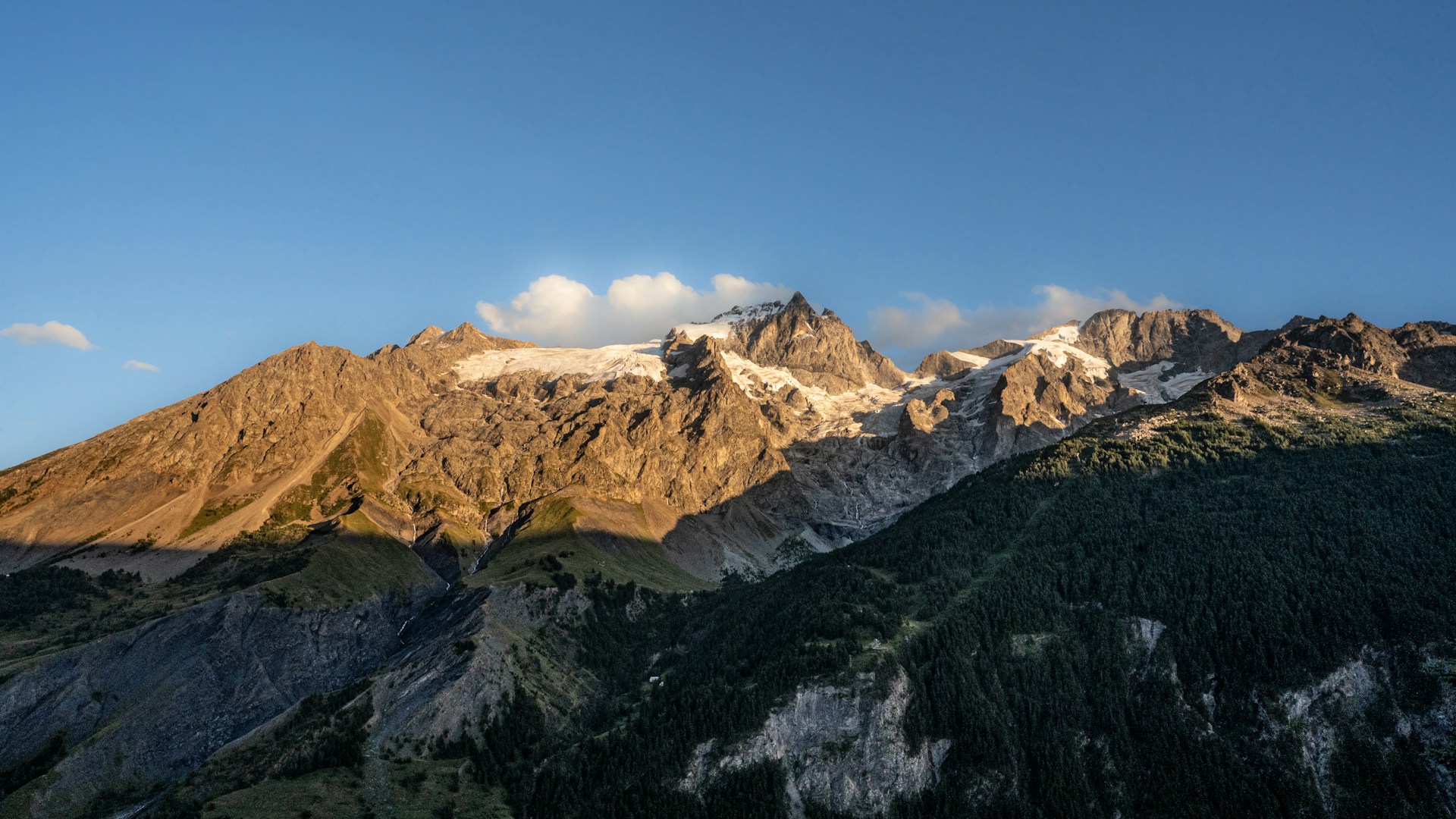
Chartreuse
Between Grenoble and Chambéry, the Chartreuse massif blends deep forests, limestone summits and a thousand-year-old monastic legacy. Hiking, silence and a secret liqueur await.
The Chartreuse massif extends between Grenoble and Chambéry in the French Prealps. France's first regional nature park, established in 1995, it combines beech and fir forests, limestone cliffs and perched villages. Its name is inseparable from the Carthusian monastic order, founded here in the eleventh century, and the eponymous liqueur still distilled in Voiron. It is a territory of hiking, silence and living heritage, less than an hour from Grenoble.
Quick practical information
- Access from Grenoble: car recommended; regular coach connections to Saint-Pierre-de-Chartreuse.
- Recommended duration: minimum weekend to combine hiking and cultural sites; one week to explore the entire massif.
- Park entry: free (natural areas free to access).
- Footwear: hiking boots essential on trails; warm clothing recommended even in summer at altitude.
- Season: open year-round; snow possible from November to April.
What to see
The massif offers a highly sculpted limestone landscape: sheer cliffs, wooded combes, alpine pastures. The summits exceed 2,000 m (Chamechaude, 2,082 m; Grand Som, 2,026 m). The villages of Saint-Pierre-de-Chartreuse and Saint-Pierre-d'Entremont serve as home bases. Wildlife includes chamois, reintroduced ibex and golden eagles.
History and context
In 1084, Saint Bruno of Cologne founded the first hermitage in the "Désert de Chartreuse", giving birth to the Carthusian order. The Grande Chartreuse, the order's mother monastery, was rebuilt several times after fires and avalanches. Since the seventeenth century, the monks have crafted Chartreuse liqueur, its recipe remaining secret. The massif was designated a regional nature park in 1995.
Highlights of your visit
The Grande Chartreuse Museum
The monastery itself is closed to the public, but the adjacent museum in Saint-Pierre-de-Chartreuse traces the order's history and monastic life. The buildings and forest setting are worth visiting even from outside.
The Voiron distillery
In Voiron, at the edge of the massif, the Chartreuse distillery's cellars house the world's longest liqueur storage cellars. The guided tour explains the production process using 130 plants, without revealing the full formula.
Hiking trails
The GR9 crosses the massif from north to south. The ascent to Charmant Som (1,867 m) offers a direct view of the monastery and alpine pastures. The Saint-Même cirque, with its waterfalls, is accessible on foot from Saint-Pierre-d'Entremont.
Viewpoints and mountain passes
The Porte Pass and Cucheron Pass are accessible by car and open onto broad panoramas towards Belledonne and the Vercors. In winter, the Porte Pass hosts a cross-country skiing station.
Photography tips
Morning light on the Chamechaude cliffs is particularly sharp. The Saint-Même cirque photographs well late morning, when light reaches the waterfalls. In autumn, the beech forests turn russet—ideal for forest views. Avoid days of low mist that obscure the summits.
Location and access
The massif is framed by Grenoble to the south, Chambéry to the north and Voiron to the west. From Grenoble, the D512 road climbs towards Saint-Pierre-de-Chartreuse in around 45 minutes. Regular coaches serve the massif from Grenoble (Transisère network). Wheelchair access to trails is limited; the Grande Chartreuse museum is partially accessible.
Nearby attractions
- Grenoble — southern gateway to the massif, museums and the Bastille cable car.
- Vercors Massif — neighboring limestone plateau, ideal for combining two Pre-Alpine massifs.
- Chambéry — historic Savoyard city, 30 km north of the massif.
- Lake Bourget — France's largest natural lake, accessible from Chambéry.
- Belledonne Massif — crystalline range visible from Chartreuse summits.
Frequently asked questions
June to October for hiking and clear panoramas. Autumn is particularly beautiful for forest colors. In winter, the massif is ideal for cross-country skiing and snowshoeing, though some passes may close.
No. The monastery is a strict monastic enclosure, closed to the public. Only the adjacent museum is open to visitors; it presents the order's history and the monks' lives.
The distillery offers guided tours; admission fees are generally charged. Check current hours and prices directly with the distillery before your visit.
A car is strongly recommended to connect the various sites. Regular coaches run from Grenoble to Saint-Pierre-de-Chartreuse, but frequency is limited outside peak season.
Yes. The Saint-Même cirque and several marked trails are accessible to fit children. Plan for proper footwear and warm clothing, even in summer.
Absolutely. The two massifs frame Grenoble and are accessible within an hour of the city. A week-long stay allows exploring both without rushing.
Want to discover this destination?
Our local advisors design your tailor-made trip.