Fréjus Bay
Between Fréjus and Saint-Raphaël, the bay offers a fine sandy coastline facing the red rocks of the Estérel, just steps away from one of Provence's best-preserved Roman cities.
Fréjus Bay stretches between Saint-Raphaël and Fréjus, on the Var coast. Sheltered by the Estérel massif to the west and the Argens hills to the east, it offers a fine sandy shoreline with minimal exposure to prevailing winds. Family-friendly beaches, a yacht harbour and Roman hinterland make this coastal arc a natural gateway to the interior Côte d'Azur.
Practical information at a glance
- Access: Fréjus SNCF station and Saint-Raphaël-Valescure station served by regional trains from Marseille and Nice.
- Beaches: free access to most of the coastline; some private beaches offer paid services.
- Recommended duration: half a day for the seafront alone; a full day to combine beach and Fréjus old town.
- Accessibility: several beaches equipped with wheelchair access, notably on the Fréjus-Plage municipality.
What to see
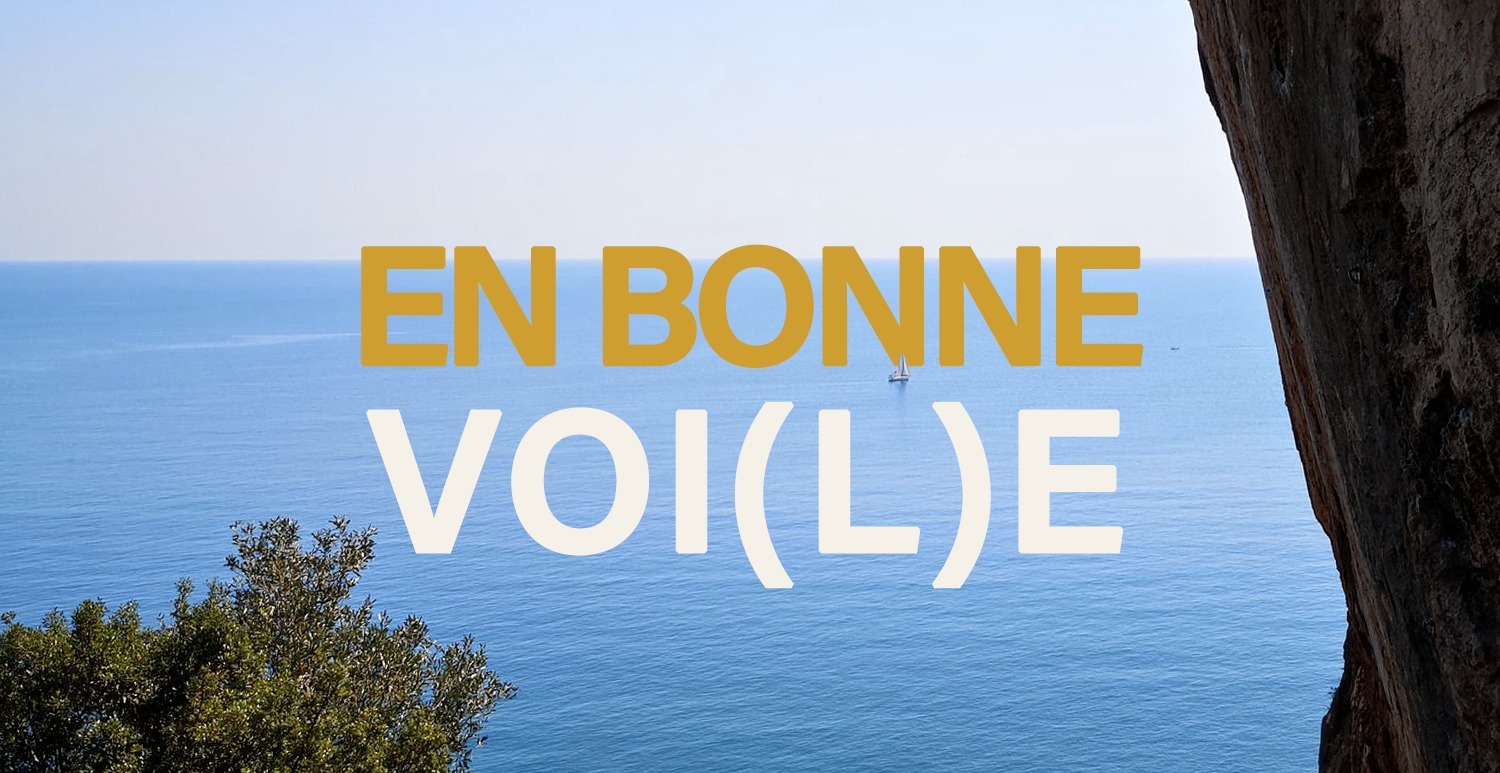
The shoreline alternates between sandy beaches and small coves. On the Fréjus side, the central beach runs along a lively waterfront lined with restaurants and shops. Towards Saint-Raphaël, the red rocks of the Estérel plunge into the sea, creating a striking contrast with the turquoise water. Fréjus harbour welcomes sailing boats and pleasure yachts; Santa Lucia port in Saint-Raphaël is one of the busiest in the Var.
History and context
Fréjus — Forum Julii — was founded by Julius Caesar and later developed by Augustus as a naval base. The bay then sheltered a military port connected to the sea by a canal now filled in. Roman remains (amphitheatre, arenas, aqueduct) bear witness to the site's strategic importance. In the 20th century, the bay welcomed colonial troops; the city preserves several monuments linked to this history.
Highlights of your visit
Fréjus-Plage waterfront
The promenade runs along several kilometres of sand. In summer, pedalos, sailing schools and diving clubs bring the waterfront to life. Off-season, the beach empties and raking light illuminates the Estérel.
The red rocks of the Estérel
At the western tip of the bay, red rhyolite cliffs plunge directly into the sea. The coastal path allows you to trace this landscape from Saint-Raphaël to Cap du Dramont, with open views over the Île d'Or.
Fréjus harbour and naval base
The yacht harbour sits on the site of the ancient Roman port. A boat excursion lets you observe the bay from the open water and understand the coastal geography that made it a strategic anchorage in antiquity.
Photography tips
Morning light is ideal for photographing the Estérel's red rocks: the rising sun accentuates the contrast between red stone and blue sea. Late in the day, Fréjus-Plage waterfront glows towards the west. For panoramic views, the Cap du Dramont trail offers angles across the entire bay.
Location and access
Fréjus Bay is located in the Var, approximately 40 km east of Cannes and about 60 km west of Nice. The A8 motorway serves both cities (Fréjus and Saint-Raphaël exits). Fréjus and Saint-Raphaël SNCF stations allow you to reach the seafront on foot or by local bus. Seasonal maritime shuttles connect Saint-Raphaël to the Lérins Islands and Saint-Tropez.
Nearby
- Old town Fréjus — medieval episcopal city with cathedral, early Christian baptistery and cloister just minutes from the seafront.
- Fréjus Arenas — Roman amphitheatre still used for performances, one of Provence's best-preserved.
- Estérel Massif — hinterland of red volcanic rock crossed by hiking trails overlooking the coast.
- Saint-Raphaël — neighbouring town with waterfront, Templar church and access to Estérel creeks.
- Cap du Dramont — rocky headland with coastal path, Débarquement beach and view of Île d'Or.
Frequently asked questions
May to June and September to October see fewer visitors, with pleasant temperatures for swimming and hiking. July-August is high season: crowded beaches but all water sports are available.
Yes. Fréjus old town, the Roman arenas and early Christian baptistery are just a few minutes' walk or drive from the waterfront. A morning of culture and an afternoon at the beach is a common itinerary.
Several Fréjus-Plage beaches have accessibility facilities. Check with the local tourist office to find out which beaches are equipped with amphibious chairs depending on the season.
Seasonal maritime shuttles depart from Saint-Raphaël port to Saint-Tropez. The overland route is possible but subject to heavy traffic in summer.
In season, sailing, scuba diving, paddle and jet-ski are offered by several clubs based on the waterfront. The bay has accessible depths for beginner divers.
Want to discover this destination?
Our local advisors design your tailor-made trip.