Vanoise Massif
Vanoise Massif
France's first national park, the Vanoise Massif protects glaciers, ibex, and high pastures between the Tarentaise and Maurienne valleys. An exceptional territory for hiking and nature observation in Savoy.
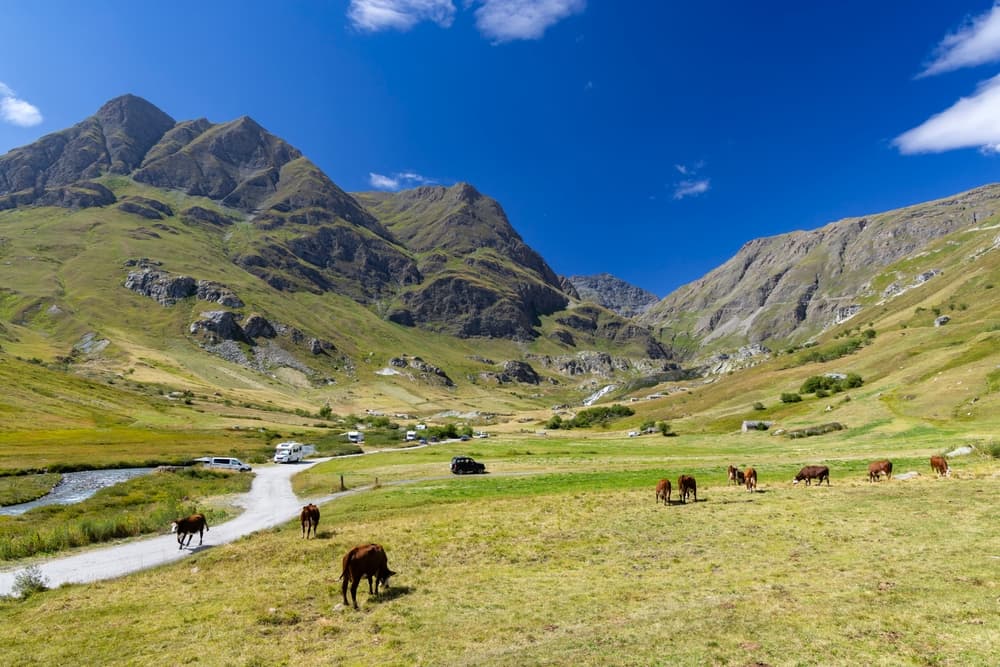
The Vanoise Massif occupies the heart of the Savoyard Alps, between the Tarentaise and Maurienne valleys. France's first national park, established in 1963, it protects more than 530 km² of high mountain terrain: glaciers, alpine lakes, pastures, and alpine wildlife among Europe's densest populations. It is a territory for hiking, nature observation, and tranquility, bordering the Italian Gran Paradiso National Park.
Practical information at a glance
- Access: main entry points — Pralognan-la-Vanoise, Bonneval-sur-Arc, Termignon, Lanslebourg, Modane (Maurienne side); Bourg-Saint-Maurice, Tignes, Val-d'Isère (Tarentaise side).
- Entry: free access to the national park; some mountain huts and shuttles require payment.
- Best season: mid-June to mid-September for hiking; winter for ski touring and snowshoeing.
- Recommended duration: minimum 2 days for a multi-day trek; one week for the complete Vanoise circuit.
- Park regulations: dogs prohibited in core zone, foraging and wild camping regulated, fires strictly forbidden.
- Accessibility for visitors with mobility challenges: limited at altitude; some adapted trails around Pralognan and in valley floors.
What you'll see
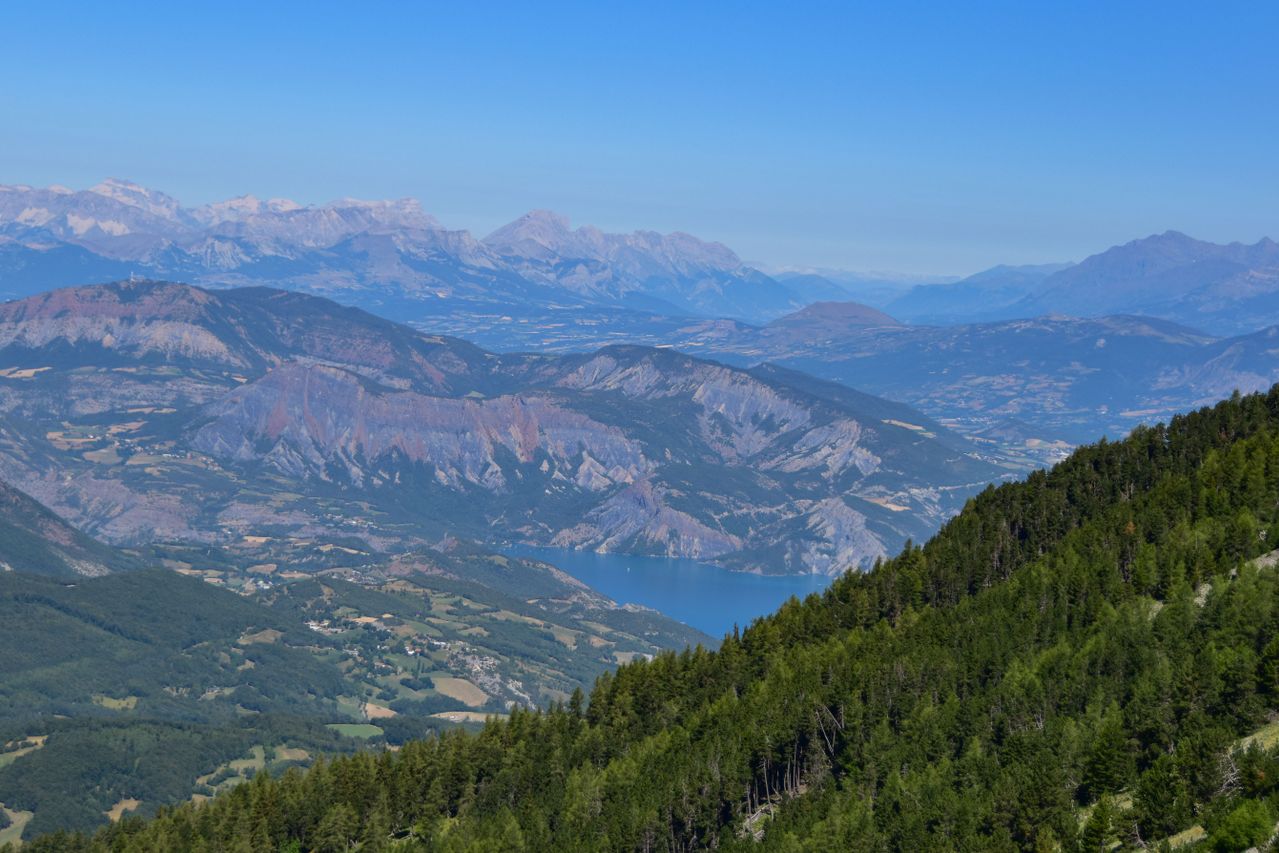
The massif features peaks exceeding 3,800 m — Grande Casse (3,855 m, the highest point), Grande Motte, Dôme de Chasseforêt. The Vanoise glaciers still cover several dozen km². Lakes such as Bozon, Chevril, and Leisse punctuate high-altitude itineraries. In the valleys, villages like Bonneval-sur-Arc and Bessans preserve authentic Savoyard architecture.
History and context
The Vanoise was designated a national park on July 6, 1963, following a citizen-led movement to protect the Alpine ibex, then on the verge of extinction. The park has been twinned with Gran Paradiso since 1972, forming the largest protected area in the western Alps. Alpine pastures have been shaped by centuries of seasonal grazing; dry-stone mountain chalets bear witness to a pastoral economy still active today.
Highlights of your visit
The Tour of the Vanoise
Classic 8 to 10-day itinerary connecting Pralognan-la-Vanoise to Modane via the park's mountain huts. The trail crosses passes, glaciers, and pastures, with nights in staffed CAF huts. Requires intermediate to advanced hiking experience.
Wildlife observation
The Vanoise is home to France's largest Alpine ibex population (over 2,000 individuals). Chamois, marmots, bearded vultures, and Alpine ptarmigans are regularly spotted. Dawn and dusk offer the best viewing opportunities.
Glaciers and Grande Casse
From the Vanoise Pass (2,517 m), accessible from Pralognan, the view of the Grande Casse glacier is breathtaking. This is one of the park's most popular hikes, accessible to any hiker in good physical condition.
Bonneval-sur-Arc
A village ranked among France's most beautiful, at the southern tip of the Haute-Maurienne. Its stone and slate houses, narrow streets, and absence of modern construction make it an ideal starting point for itineraries toward the Iseran Pass and high plateaus.
Photography tips
Golden-hour light on the glaciers from the Vanoise Pass offers remarkable contrast. For wildlife, use a telephoto lens and approach silently at dawn. Alpine lakes reflect the peaks in late morning, before wind ripples the surface. Avoid flash and respect regulatory distances from animals.
Location and access
The massif is framed by two alpine valleys: the Tarentaise (RN 90, Bourg-Saint-Maurice train station) to the north and the Maurienne (A43, Modane train station) to the south. Seasonal shuttles serve Pralognan-la-Vanoise from Moûtiers in summer. Val-d'Isère and Tignes are entry points from the Tarentaise side, with access to the park's core via the Iseran Pass (open in summer).
Nearby attractions
- Val-d'Isère — high-altitude resort, northeast gate to the park, departure point for hikes toward the Iseran Pass.
- Tignes — access to Grande Motte glacier, summer skiing, and glacier hikes.
- Pralognan-la-Vanoise — central base village, starting point for the Tour of the Vanoise and the Vanoise Pass.
- Bonneval-sur-Arc — character village in Haute-Maurienne, preserved Savoyard architecture.
- Gran Paradiso National Park — sister Italian park, accessible from Mont-Cenis Pass or Iseran Pass.
Frequently asked questions
From mid-June to mid-September, when passes are clear and mountain huts are open. July and August offer the most stable conditions, but trails are more crowded.
Wild camping is permitted in the core zone only more than one hour's walk from roads and huts, between 7 p.m. and 9 a.m. Fires are strictly forbidden. Check with the park office before your departure.
No. Dogs are prohibited in the park's core zone, even on a leash. They are tolerated in the peripheral zone under certain conditions.
Yes, strongly recommended in July-August. Club Alpin Français (CAF) huts can be booked online. Some are fully booked several weeks ahead on popular routes.
No. It requires good physical fitness, experience hiking at altitude, and appropriate equipment. Shorter variants allow you to explore the park without completing full multi-day stages.
Rocky zones between 2,000 and 3,000 m are most promising, particularly around the Vanoise Pass and Chevril Lake. Start early, stay quiet, and maintain a respectful distance.
Want to discover this destination?
Our local advisors design your tailor-made trip.