Munster
Munster
Munster, in the Fecht Valley (Haut-Rhin), is the capital of its eponymous AOP cheese and an ideal base for exploring the Alpine meadows and peaks of the Ballons des Vosges Regional Nature Park.
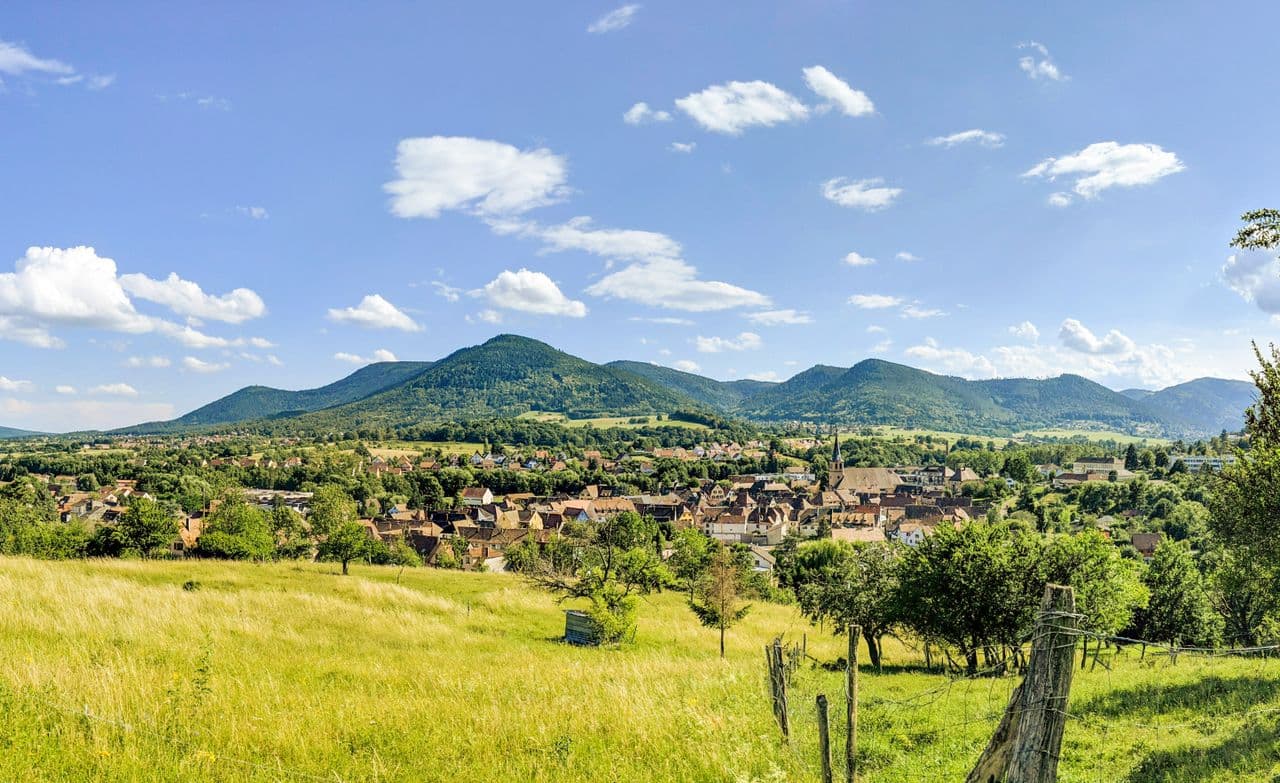
Munster is a small Alsatian town nestled in the heart of the Fecht Valley, in the Vosges massif (Haut-Rhin). Its worldwide reputation rests on a soft cheese with a washed rind, yet it also serves as an ideal departure point for exploring the Ballons des Vosges Regional Nature Park. Blending rural traditions, timber-framed architecture and high-altitude hiking, Munster combines authenticity with pristine nature.
Quick practical facts
- Access : from Colmar, approximately 20 km west via the D417; SNCF railway station served from Colmar.
- Suggested duration : half a day for the town, a weekend to combine hiking and gastronomy.
- Market : traditional weekly market in the town centre (check the day with the local tourist office).
- Dress code : no particular constraints; bring hiking boots for mountain excursions.
What to see
The historic centre retains timber-framed houses typical of Alsace. Market Square forms the vibrant heart of the town. The Protestant church of Saint-Léger, rebuilt after First World War destruction, defines the urban landscape. Around Munster, high-altitude pastures — the chaumes — shelter herds whose milk produces the AOP cheese.
History and context
Munster takes its name from a Benedictine monastery founded in the 7th century (Monasterium). The town was long a centre of the Alsatian Decapolis, an alliance of ten free imperial cities. Heavily damaged during both World Wars, it was substantially rebuilt while preserving its Alsatian identity. Munster cheese, produced in the valley since the Middle Ages, received Protected Designation of Origin (PDO) status at European level.
Highlights of a visit
Munster AOP cheese
Visiting a cheesery or Alpine meadow farm allows you to understand the aging process. The cheese is enjoyed plain or with caraway seeds, a local tradition. Several farmstead producers open their doors to visitors throughout the valley.
The chaumes and Petit Ballon
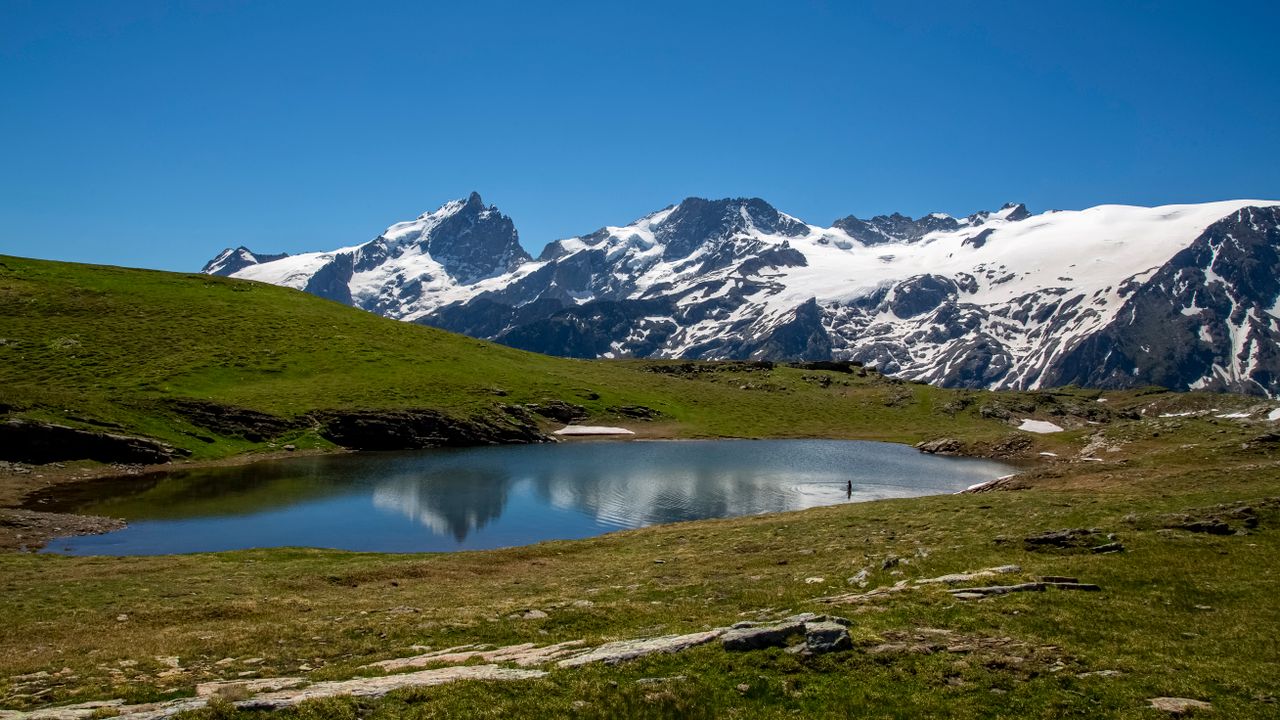
The heights surrounding Munster offer unobstructed panoramas across the Vosges and, on clear days, over the Alsatian plain to the Alps. Petit Ballon (1,272 m) is accessible on foot from several starting points near the town.
The Route des Crêtes
Laid out during the First World War to conceal troop movements, the Route des Crêtes runs along the Vosgian peaks. It connects Munster to major passes like Markstein and Grand Ballon, offering remarkable views across both slopes.
The market and local crafts
Munster's market brings together local producers, cheesemakers and artisans. It is the most direct place to purchase farmstead cheese, preserves and Vosgian products.
Photography tips
Morning light is ideal for photographing the timber frames of the town centre without crowds. At altitude, summer chaumes provide striking compositions featuring herds and Vosgian panoramas. Autumn colours the beech forests in deep orange, particularly photogenic on the slopes surrounding the valley.
Location and access
Munster lies in the Fecht Valley, west of Colmar, in the Haut-Rhin department (Alsace). Munster station is linked to Colmar by regional train. By car, the D417 crosses the valley and climbs towards the Vosgian passes. The town centre is compact and easily explored on foot. PMR accessibility is adequate in the town centre, more limited on mountain trails.
In the surrounding area
- Colmar — Alsatian capital 20 km away, with its Petite Venise quarter and museums.
- Alsace Wine Route — vineyards and flower-decked villages accessible from Colmar to the north and south.
- Grand Ballon — highest peak of the Vosges (1,424 m), accessible via the Route des Crêtes.
- Guebwiller — wine town to the south, gateway to the Lauch Valley.
Frequently asked questions
Spring and summer allow you to enjoy high-altitude hiking and chaumes in full activity. Autumn offers beautiful forest colours. Winter is quiet but passes may be snowy.
The local market and surrounding chaumes farms are the best sources. Choose producers displaying the PDO label to guarantee authenticity.
Yes, the train or car connection is quick. One day suffices to visit Munster in the morning and Colmar in the afternoon, or vice versa.
Hiking boots are recommended for high-altitude trails. Routes to Petit Ballon or the chaumes are well-marked but may be muddy after rain.
Yes, Munster station is linked to Colmar by regional train. For passes and chaumes, a personal vehicle is necessary.
Discover Munster with our itineraries
All our tours →
Want to discover this destination?
Our local advisors design your tailor-made trip.