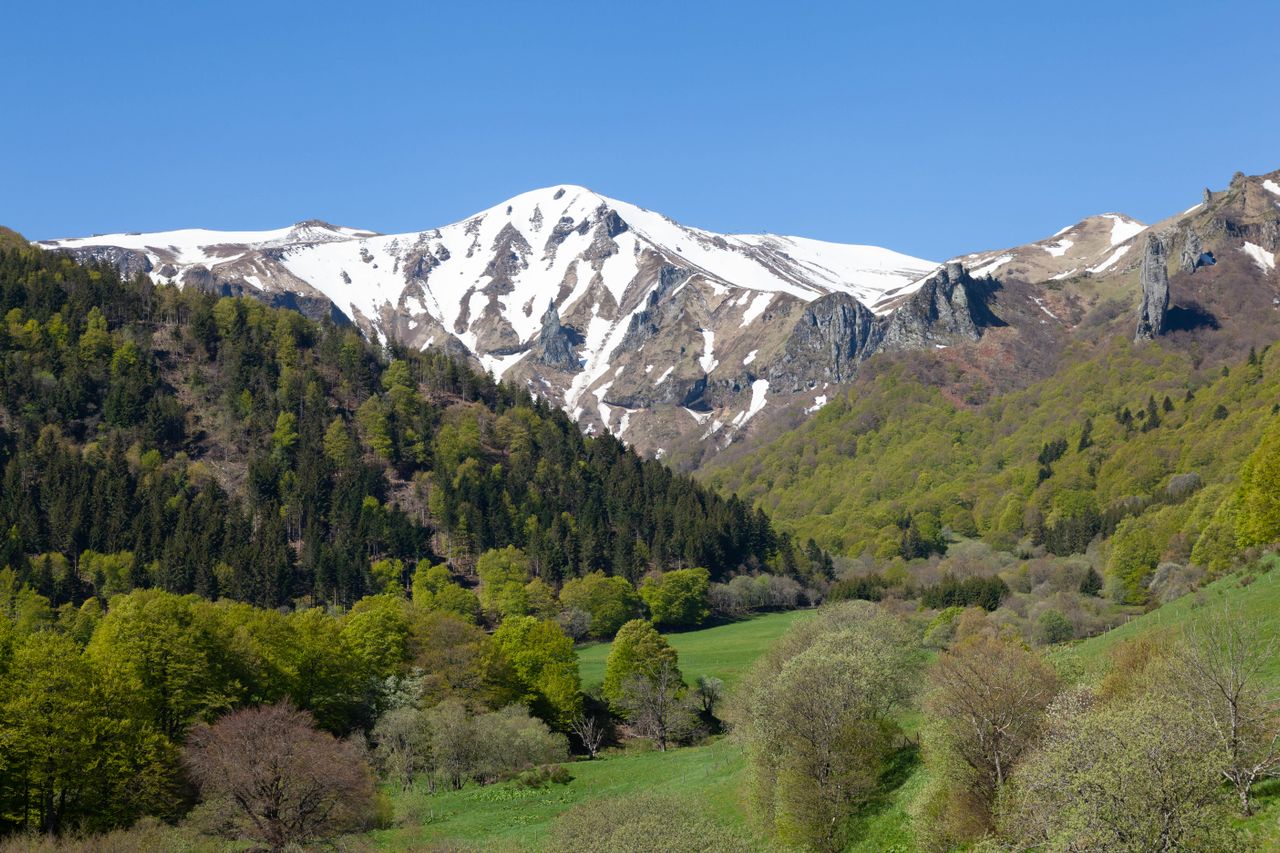
Querciolo
Querciolo is a stone village nestled in Castagniccia, the inland massif of Upper Corsica cloaked in centuries-old chestnut groves. Ideal for discovering authentic, rural Corsica far from the crowded coastline.
Querciolo is a small village in Upper Corsica tucked into Castagniccia, an inland massif blanketed with ancient chestnut trees. Perched high on the slopes, it offers an immersion into rural, hushed Corsica, far from the tourist-packed shores. Its stone architecture, narrow alleyways and forested surroundings make it an authentic stop for anyone exploring the Corsican interior.
What you'll find here
The village preserves its traditional schist and granite buildings, typical of Castagniccia. Houses huddled along winding lanes, a stone parish church, and omnipresent chestnut trees compose the immediate landscape. The surrounding forest, dense and shadowed, invites leisurely wandering.
History and context
Castagniccia takes its name from the chestnut tree (castagnu in Corsican), introduced en masse during the Genoese era. This region was once among Corsica's most densely populated areas, sustained by chestnut flour that formed the dietary staple. Querciolo, like its neighbors, experienced significant rural exodus in the 20th century, leaving behind a preserved yet sparsely inhabited landscape.
Highlights of your visit
The chestnut forest
The centuries-old chestnut trees surrounding the village impress with their scale and density. In autumn, chestnut harvests still punctuate local life. Walking beneath these verdant canopies remains the central experience of any Castagniccia sojourn.
Village architecture
Dry-stone houses, fountains and abandoned bread ovens bear witness to ancient village organization. Taking time to notice architectural details—carved lintels, exterior staircases—reveals remarkably well-preserved local craftsmanship.
Photography tips
Morning light filtered through the chestnut canopy creates particularly soft atmospheres. Stone-paved alleyways offer striking compositions. In autumn, the forest's golden tones transform the village into a painter's canvas.
Location and access
Querciolo sits within the Castagniccia canton of Upper Corsica. Access is exclusively by car via winding, narrow departmental roads characteristic of the Corsican interior. The village lies close to the Fium'Alto valley. No regular public transport serves this area. The roads require careful driving, particularly when encountering oncoming traffic on narrow sections.
In the surrounding area
- La Porta — neighboring Castagniccia village, celebrated for its baroque San-Giovanni-Battista church, among Corsica's finest.
- Piedicroce — the central town of Castagniccia, an ideal departure point for exploring the region.
- Cervione — coastal town to the east, featuring a cathedral and ethnographic museum.
Frequently asked questions
Autumn (October–November) is ideal: the chestnut forest transforms into golden hues and chestnut harvests animate the villages. Spring offers lush vegetation and pleasant temperatures.
Yes, a car is essential. Castagniccia's roads are narrow and winding; a compact vehicle is recommended. No public transport serves this area.
Absolutely. La Porta, Piedicroce and Valle-d'Alesani are accessible in a single day by car. Plan a full day to explore multiple villages in the area.
Querciolo is a very small village with minimal services. It's best to arrange meals and supplies from Cervione or Piedicroce before heading there.
No specific restrictions apply to photography in public village spaces. Do respect the tranquility of the few residents who live here.
Want to discover this destination?
Our local advisors design your tailor-made trip.