Upper Giffre Valley
Between Samoëns and Sixt-Fer-à-Cheval, the Upper Giffre Valley offers a glacial cirque with thirty waterfalls, a vast natural reserve and a village listed for its heritage of master stonemasons.
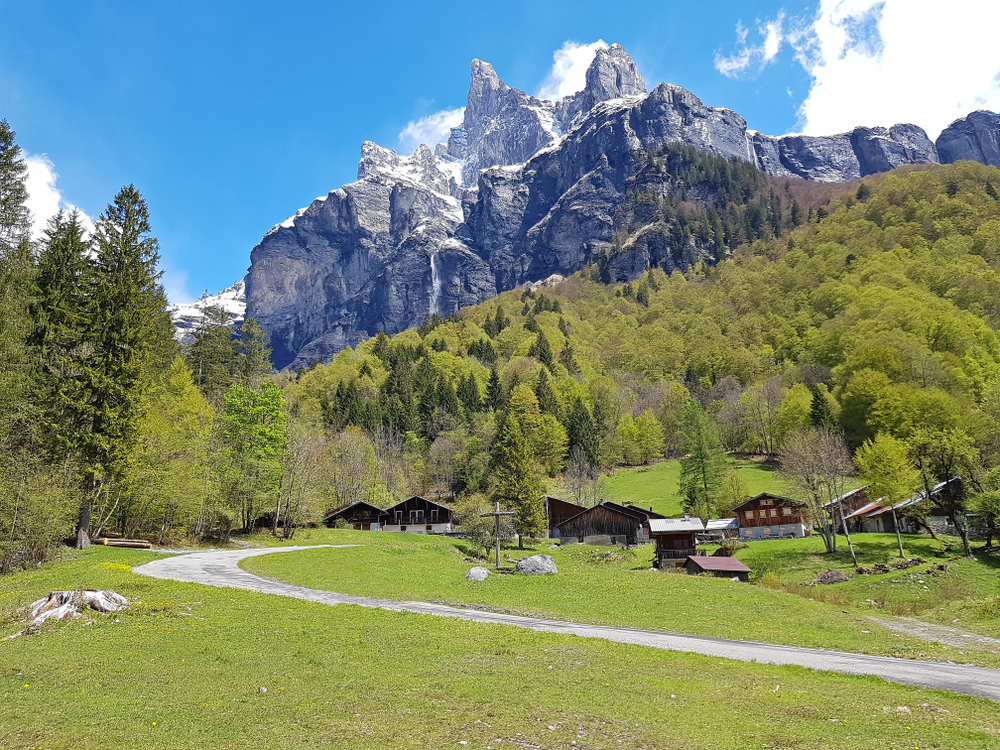
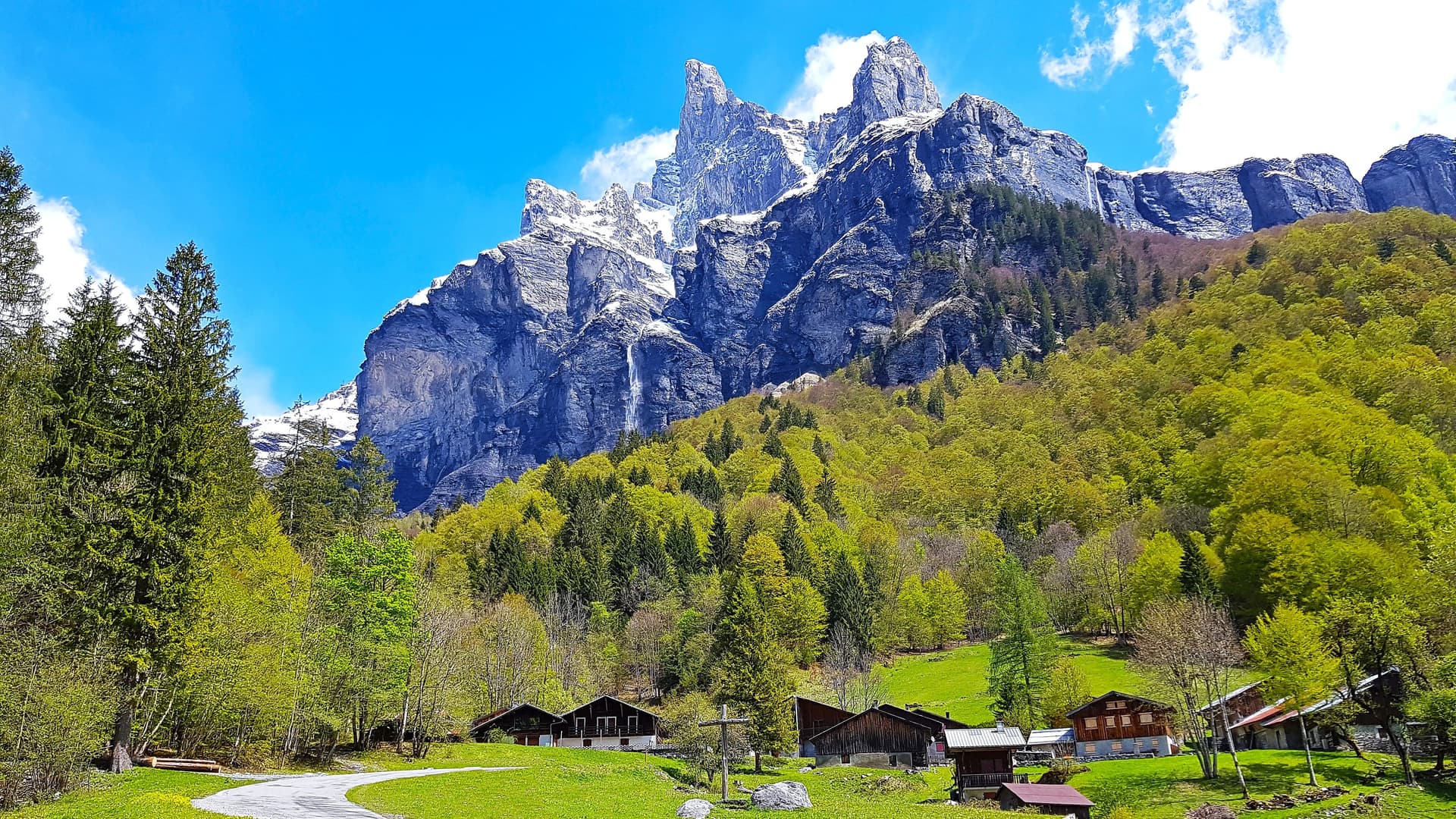
The Upper Giffre Valley designates the upper valley of the Giffre, in Haute-Savoie, between Samoëns and Sixt-Fer-à-Cheval. This alpine mountain territory combines alpine meadows, fir forests, waterfalls and limestone cliffs. It constitutes one of the gateways to the Giffre massif and is home to the Sixt-Passy National Nature Reserve, one of the largest in mainland France.
Practical information at a glance
- Access: from Cluses or Bonneville via the D907 via Taninges and Samoëns; nearest SNCF station at Cluses, then shuttle or taxi.
- Footwear: hiking boots essential as soon as you leave the valley floor; warm clothing even in summer.
- Recommended duration: one day for an overview; two to three days to explore the reserve and alpine meadows.
- Season: hiking from June to October; cross-country skiing and snowshoeing in winter around Samoëns.
- Accessibility: the Sixt valley floor and surroundings of the Horseshoe Cirque are partially accessible by car; mountain trails are not.
What to see
The landscape is organised around two focal points. Samoëns, a listed village, preserves a monumental fountain and an alpine garden (jaïserie) founded in the early twentieth century. Higher up, the Horseshoe Cirque forms an amphitheatre of cliffs 4 km in diameter from which tumble around thirty waterfalls, fed by snowmelt.
The nature reserve protects beech and spruce forests, wetland zones and alpine fauna: chamois, ibex, marmots, bearded vultures.
History and context
The Giffre valley was long a passage territory between Faucigny and Swiss Valais. Samoëns owes its historical prosperity to master stonemasons (the "giffards"), who exported their expertise throughout Europe from the seventeenth to nineteenth centuries. The Sixt-Passy natural reserve, created in 1977, covers more than 9,000 hectares and constitutes one of the first protected spaces in Haute-Savoie.
Highlights of the visit
The Horseshoe Cirque
Accessible by car from Sixt-Fer-à-Cheval, this glacial cirque is the most spectacular site in the valley. In May-June, the waterfalls are at maximum flow. A marked trail loops around the cirque in two to three hours.
The Samoëns Botanical Garden (La Jaïserie)
Founded by Marie-Louise Cognacq-Jay in 1906, this alpine garden brings together several thousand species of mountain plants from around the world. It is managed by the University of Grenoble and open to the public in season.
The alpine meadows and reserve trails
Several marked routes depart from Sixt towards the Boret alpine meadows or the Prazon plateau. These trails offer clear views of the limestone spires of the massif and allow observation of wildlife at dawn or dusk.
Samoëns, village of master stonemasons
The village centre preserves dressed-stone buildings, a flamboyant Gothic church and the great octagonal fountain. The built heritage directly testifies to the wealth accumulated by emigrant giffards.
Photography tips
The Horseshoe Cirque photographs best in the morning, when light strikes the cliffs from the east. In late afternoon, the waterfalls are in shadow. For the alpine meadows, the golden hour of evening reveals the reliefs. Avoid midday in summer: light is harsh and contrasts flatten the details of the limestone walls.
Location and access
The Upper Giffre Valley is located approximately 80 km south-east of Geneva and about thirty kilometres from Cluses. The D907 connects Taninges to Samoëns then Sixt-Fer-à-Cheval in the valley floor. In summer, a shuttle service can link Samoëns to the Horseshoe Cirque to limit traffic; enquire at the local tourist office before departure.
Neighbouring accessible sites include the Tines Gorges between Samoëns and Sixt, and the Grand Massif ski area of which Samoëns is one of the stations.
Surroundings
- Tines Gorges — short, narrow gorge of the Giffre, accessible on foot from the road between Samoëns and Sixt.
- Village of Samoëns — listed village among the most beautiful in France, with its alpine garden and stonemason heritage.
- Sixt-Fer-à-Cheval — gateway village to the nature reserve, starting point for hikes to the cirque.
- Assy Plateau — sunny plateau on the opposite slope, known for its church decorated by twentieth-century artists (Léger, Chagall, Matisse).
Frequently asked questions
June to September for hiking and waterfalls in full flow. May offers the most powerful waterfalls but some trails may still be snow-covered at altitude. Autumn colours the beech forests.
Yes. A drivable road leads to the bottom of the cirque from Sixt-Fer-à-Cheval. A flat trail runs along the base of the cliffs and suits all levels.
Entry is paid in summer season. Exact rates should be verified with the Samoëns tourist office or directly on site, as they may change.
Picking plants, wild camping and off-trail travel are prohibited. Dogs must be kept on a leash to avoid disturbing wildlife.
The two valleys are separated by the Mont-Blanc massif. The drive passes via Cluses and Sallanches, approximately one hour. It is possible to spend two days in the Upper Giffre Valley and two days in the Chamonix valley within a seven-day trip.
The loop around the Horseshoe Cirque and the surroundings of Samoëns village suit families with children. Routes to high altitude alpine meadows require more endurance and are suited to children experienced in mountain hiking.