What is Slow Travel and Why Practice It in France?
For a long time, travel was measured in kilometers covered and destinations checked off. Today, a different way of exploring is gradually taking hold: slow travel. Not as yet another "inspiring" trend, but as a concrete and deliberate way to travel differently. In France, this approach takes on its full meaning. And at Hunawé, it's not theoretical—it's lived on the ground, at the pace of walking, carried by committed guides who know their regions intimately. Here's what you need to know about slow travel...
What is slow travel?
Slow travel in a nutshell...
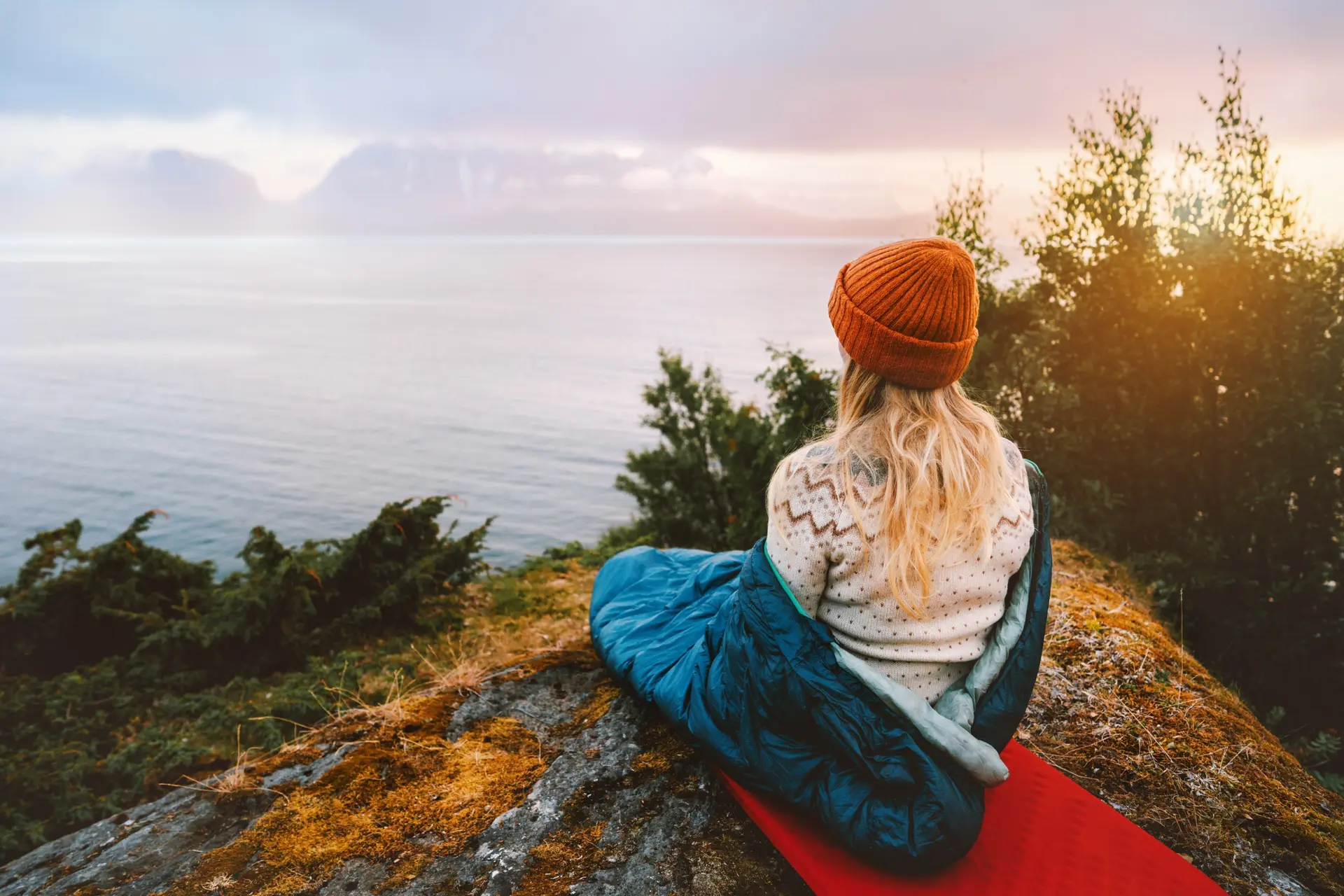
Slow travel is a way of traveling that consists of deliberately slowing down to prioritize lived experience over distance covered. It rests on a simple idea: spend more time in one territory, accept covering fewer kilometers, and leave room for observation, encounters, and the unexpected.
This approach naturally fits into sustainable tourism practices, more respectful of territories, the people who live there… and yourself.
What are the origins of slow travel?
Slow travel draws its roots from the Slow Food movement, born in Italy in the 1980s to counter fast-food culture and relearn how to savor time and quality. The idea was later applied to travel: instead of checking off destinations like boxes, you choose to slow down, immerse yourself, and reconnect with territories.
What are the main principles of slow tourism?
Slow travel rests on a few fundamental principles. The first is the relationship with time: you accept slowing down, not controlling everything, not filling every minute. The rhythm of travel adapts to that of walking, nature, or the group—not the other way around.
Next comes attention to details: a day might begin with a leisurely walk on a forest trail, pause to observe animal tracks, listen to birdsong, or simply watch the light change over a valley... It's these "small things" that add depth to the experience.
Finally, slow travel privileges immersion over accumulating destinations. It's not about consuming a territory but exploring it deeply.
What's the difference between slow travel and conventional tourism?
Slow travel clearly distinguishes itself from conventional tourism through its pace, depth, and philosophy. While conventional tourism often seeks to accumulate sites, see iconic landmarks for photos, and maximize distance covered, slow travel privileges lived experience, immersion, and respect for the territory.
The value of travel is no longer measured by the quantity of places seen, but by the quality of experience and connection to the territory.
Slow travel thus transforms travel into a sensory, human, and sustainable adventure, whereas conventional tourism often focuses on efficiency and speed.
How does slow travel translate into practice?
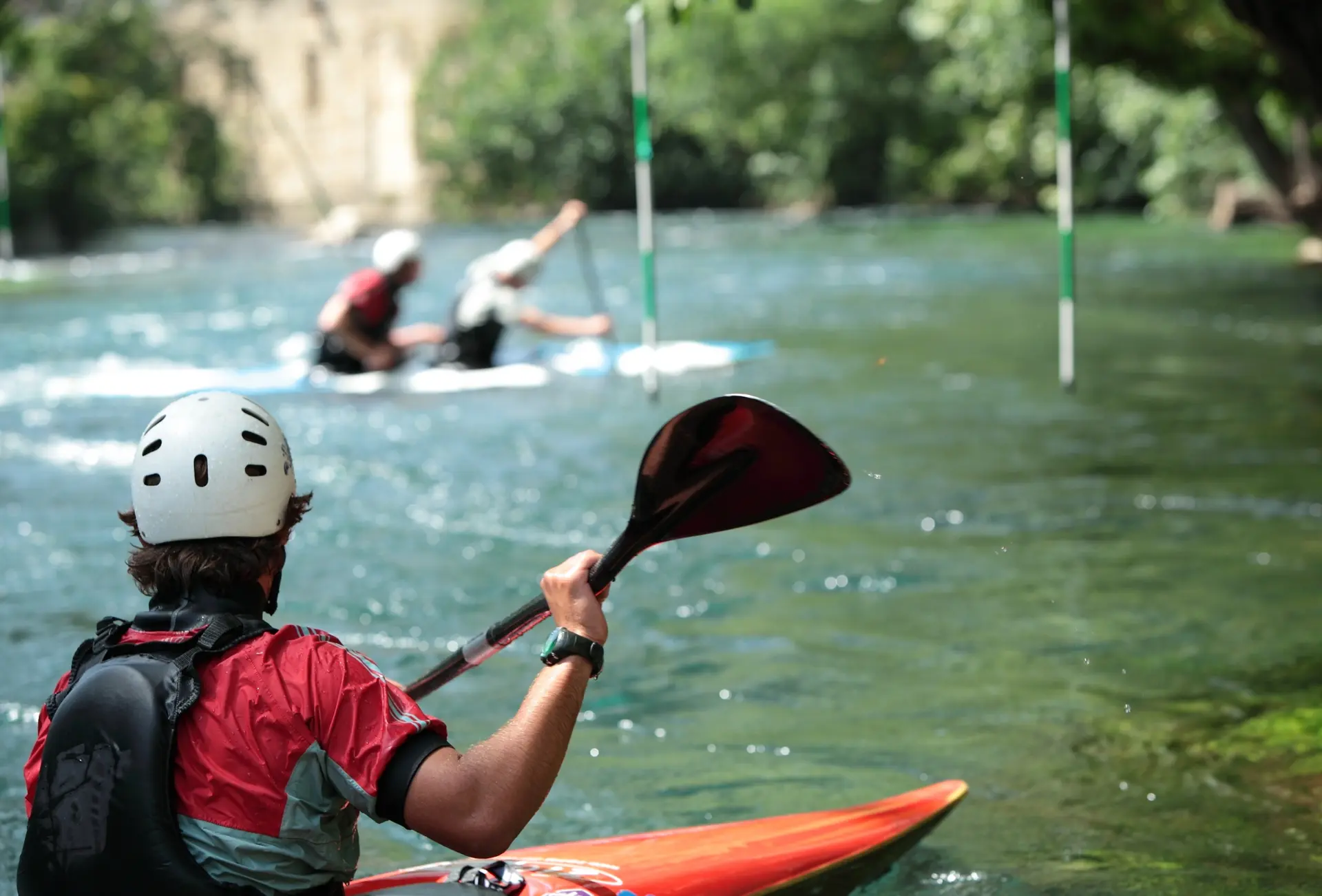
Concretely, slow travel takes the form of human-scaled journeys, often without flying, where the route itself is an integral part of the experience. This might be a van road trip, a multi-day trek in the mountains, a stay with bivouacking by a river or in a forest, or an itinerant micro-adventure on foot or by bike.
Whatever the format, the idea remains the same: take time to observe, listen, sense, and understand what surrounds you.
Does slow travel cost more?
Slow travel isn't defined by a high budget but by a choice of pace and quality of experience. Favoring gentle modes of transport (train, bike, walking) or spending more time in one territory can even reduce certain costs linked to rapid transportation or flights.
On the other hand, certain immersive experiences, like a guide-led stay or an organized bivouac, may cost slightly more than a conventional "all-inclusive" stay. The key is to pay for quality and meaningful experience, rather than accumulating destinations.
Why is France an ideal playground for slow travel?
A diversity of landscapes concentrated in one country
France offers rare geographic richness on a single-country scale. Mountains, coastlines, forests, plateaus, valleys, bocage, volcanic massifs, and wild territories: this diversity allows you to completely change environments without traveling long distances. For slow travel, this is a major asset. This proximity makes exploration more coherent: you traverse a territory rather than fly over it.
A logical advantage: traveling without flying
Practicing slow travel in France also means choosing to travel without flying, in a simple and accessible way. The rail network, regional lines, and local transport allow you to reach many natural territories without resorting to planes. The journey then becomes a continuation of travel, not a constraint to eliminate.
Regions to explore at human scale, away from crowds
Finally, France lends itself particularly well to off-the-beaten-path travel. By moving away from the most frequented sites and high-season periods, slow travel allows you to rediscover more discreet regions, often rich with cultural, historical, and natural heritage that's still very much alive. You can then take time to understand local customs, traditions, and stories.
By choosing slow travel, you can offer yourself another reading of France: more intimate, more human, more authentic.
Is slow travel suitable for all types of travelers?
This way of traveling suits particularly those seeking more meaning in their journeys, those wishing to reconnect with nature, or simply wanting to live an experience without pressure.
However, slow travel requires a certain flexibility: accepting effort, the unexpected, sometimes discomfort, and letting go of the need to control everything. More than a question of age or fitness level, slow travel is above all a mindset.
What does a slow travel journey in France look like with Hunawé?
Micro-adventures designed to take time
A slow travel journey with Hunawé doesn't resemble a standardized stay. It's about micro-adventures, typically lasting 2 to 5 days, designed to allow genuine immersion without multiplying kilometers. Time is deliberately left open: free to walk, observe, chat, and adapt to conditions and the group.
These short but rich formats allow you to live a powerful experience without leaving for long or traveling far. They fully embrace slow travel logic, where proximity becomes an asset and each day counts.
Outdoor activities that listen to the living world
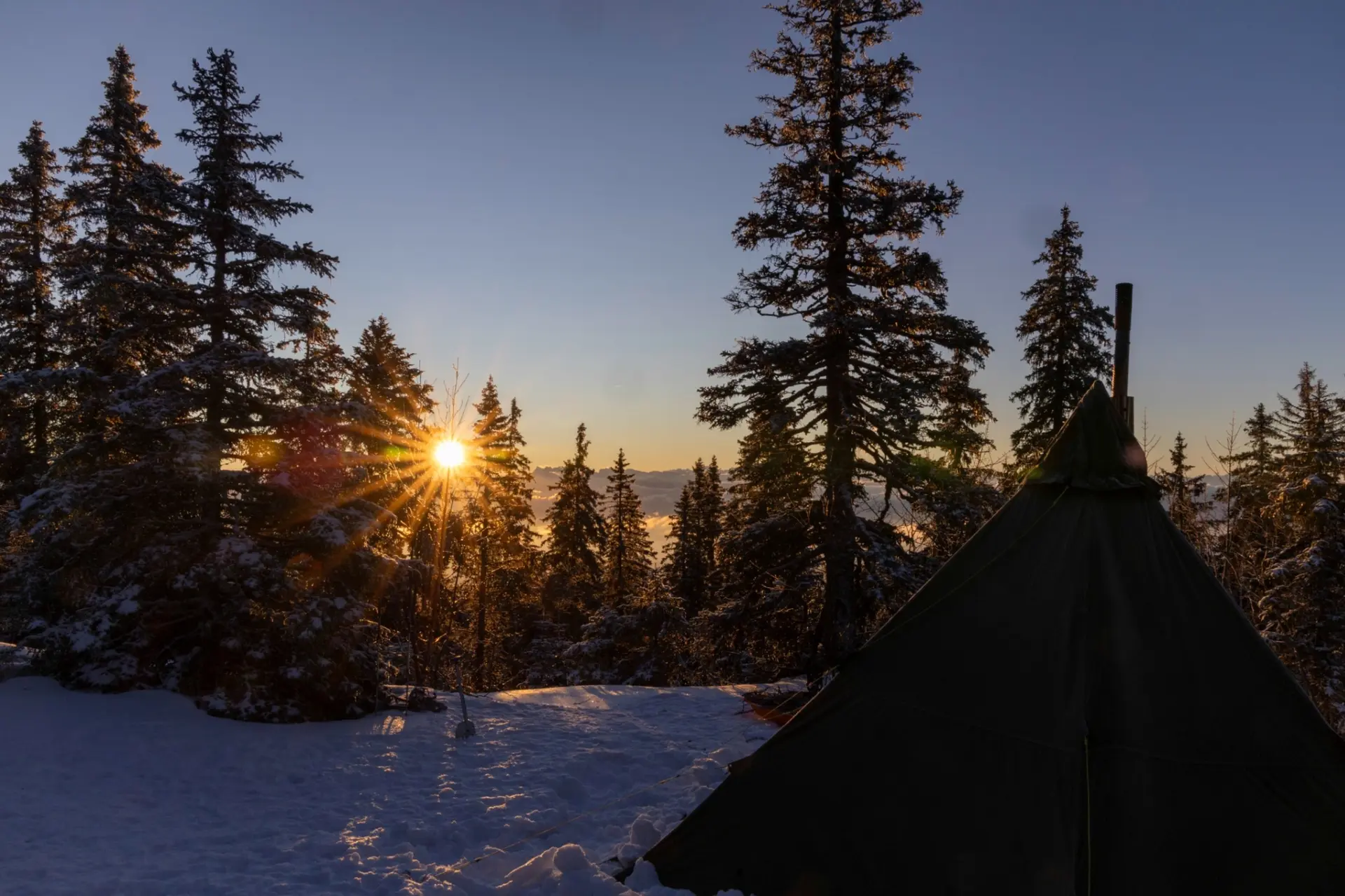
At Hunawé, outdoor activities are never simply "ways to fill time." They're thoughtfully designed as gateways to the living world.
Walking, bivouacking, observing, listening: each activity invites you to reconnect with natural balance rather than skim over it.
This sensitive approach to nature transforms the experience: you don't "consume" a landscape, you inhabit it temporarily. Silence becomes an ally, attention a reflex, and presence in the world a genuine practice. It's in this respectful, humble, and curious relationship that slow travel reaches its full depth.
Traveling in small groups, away from crowds
Slow travel journeys offered by Hunawé are experienced in small groups, far from volume-based approaches. This choice favors a more human, more fluid experience, more respectful of the territories visited. The pace can adapt, conversations happen naturally, and everyone finds their place.
Traveling away from crowds also preserves the quality of experience and that of the territories themselves. Slow travel privileges discretion, listening, and sobriety. You share a path, an effort, sometimes silence, rather than a minute-by-minute program.
Guided by passionate professionals
In a slow travel journey with Hunawé, the guide always holds a central place. More than just a leader, they're a territory ambassador. The captains and guides in the Hunawé network are experienced, committed professionals deeply rooted in the regions they reveal.
Throughout adventures, they share local myths and legends, explain how to read a landscape, share their knowledge of wildlife, flora, and natural balance. They take time to transmit, observe with the group, and help you feel what isn't always visible at first glance.
Good to know
A few examples of Hunawé micro-adventures that invite slow travel:
Red deer rutting in Beaufortain (2 days): set out on animal trails in the heart of the Beaufortain massif to experience the rutting season and enjoy an evening under the stars around a campfire before sleeping under canvas;
Dog sledding and mushing life in Queyras (4 days): discover the musher's life in the heart of Queyras, combining dog trekking, snowshoeing, and initiation to team driving;
Ice climbing initiation in Ecrins (3 days): discover ice climbing in the heart of Ecrins National Park, guided by an expert high-mountain guide.
Hiking weekend and yellow wine tastings in Jura (3 days): explore Jura's natural treasures on foot and taste local specialties while staying in a renovated historic château.
Discover all our circuits and micro-adventures in France, fully customizable. And what if traveling slowly was the real adventure?
Slow travel invites you back to essentials: time, movement, connection to the living world and to others. In France, this way of traveling takes on its full meaning thanks to territory richness, accessibility, and the diversity of possible experiences without flying.
With Hunawé, slow travel becomes a sincere adventure, embodied by passionate guides and human-scaled formats. An invitation to slow down, see differently… and travel less far, but more meaningfully.
Contact our Hunawé experts to plan your next micro-adventure in France!
Frequently asked questions
Absolutely! Slow travel adapts to all types of travelers, including families. Hunawé's micro-adventures, for example, are designed for small groups where young and old can explore together, observe nature, listen to local stories, and learn to live at the territory's pace. What matters is accepting a slower rhythm than conventional tourism and valuing moments of shared observation and discovery.
There's no fixed duration: slow travel can last from a few days to several weeks, depending on your availability and desire for immersion. Hunawé's micro-adventures typically last 2 to 5 days, ideal for immersing yourself without traveling far or long. For a deeper experience, you can combine several stays or extend itineraries on foot or by bike. Again, what matters is the time dedicated to observation and experience, not the number of kilometers covered.
Slow travel favors accommodations in keeping with travel pace and territory. This might include:
- refuges or local guesthouses, often located along hiking routes;
- bivouacking, to fully immerse yourself in nature;
- responsible accommodations, small hotels or bed-and-breakfasts supporting the local economy.
The choice depends on travel style and desired experience. The idea is always to extend immersion rather than spend time in places disconnected from the territory.
Traveling slowly is also traveling responsibly. Slow travel significantly reduces ecological footprint through several channels:
- Fewer planes, more gentle mobility: trains, bikes, walking… each kilometer covered without flying reduces CO₂ emissions.
- Local micro-adventures: favoring nearby stays and lesser-visited territories limits over-tourism and protects ecosystems.
- Respect for nature and inhabitants: staying in local guesthouses or organized bivouacs, consuming local products, leaving sites intact… every gesture counts.
- Education and awareness: Hunawé guides teach participants to observe, understand, and respect biodiversity, agricultural practices, and local traditions.
By choosing slow travel, the traveler becomes an agent of territory preservation and contributes to sustainable, responsible, and low-carbon tourism aligned with Hunawé values.