Jura
Jura
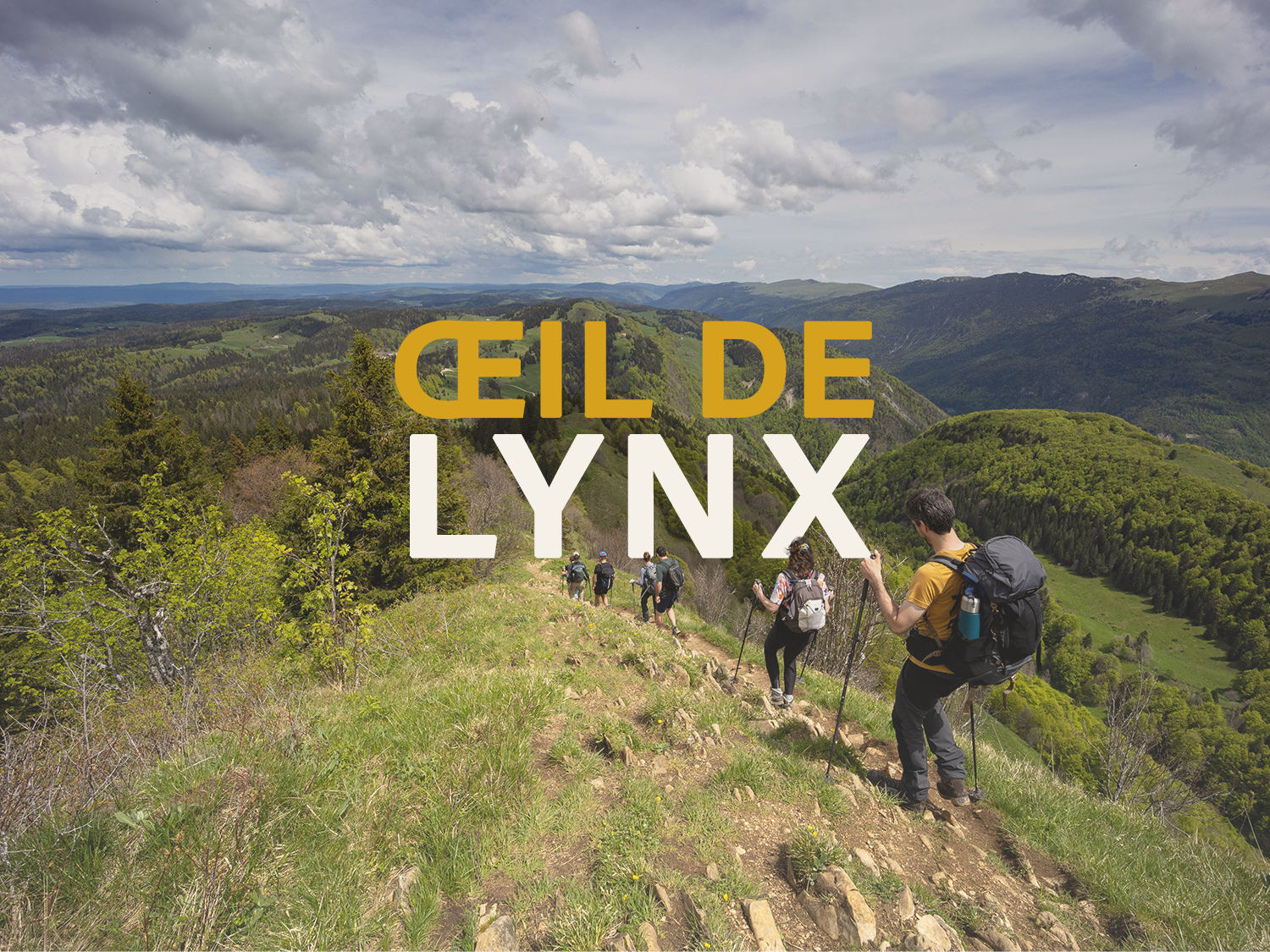
Wooded plateaus, glacial lakes, Hérisson waterfall and unique vineyards: the Jura is a destination for outdoor pursuits and gastronomy, far from the crowds, between the Saône plain and the Swiss border.
The Jura is a French department in Bourgogne-Franche-Comté, nestled between the Saône plain and the Swiss border. Limestone plateaus, fir forests, glacial lakes and distinctive vineyards compose a territory where nature remains unspoiled and villages see few visitors. It is a destination for outdoor pursuits and gastronomy, far from Alpine crowds, rewarding those who take time to linger here.
Practical information at a glance
- Access: Lons-le-Saunier, the departmental capital, is accessible by high-speed train from Paris-Gare-de-Lyon (via Mouchard or Dole). A car is recommended for exploring the plateaus.
- Best time: May–June for waterfalls in full flow, July–August for hiking and lakes, autumn for colours and wines.
- Suggested duration: 3 to 5 days to cover the main areas (Bresse jurassienne, Revermont, Haut-Jura).
- Gear: Hiking boots are essential on the karstic trails.
What you'll see
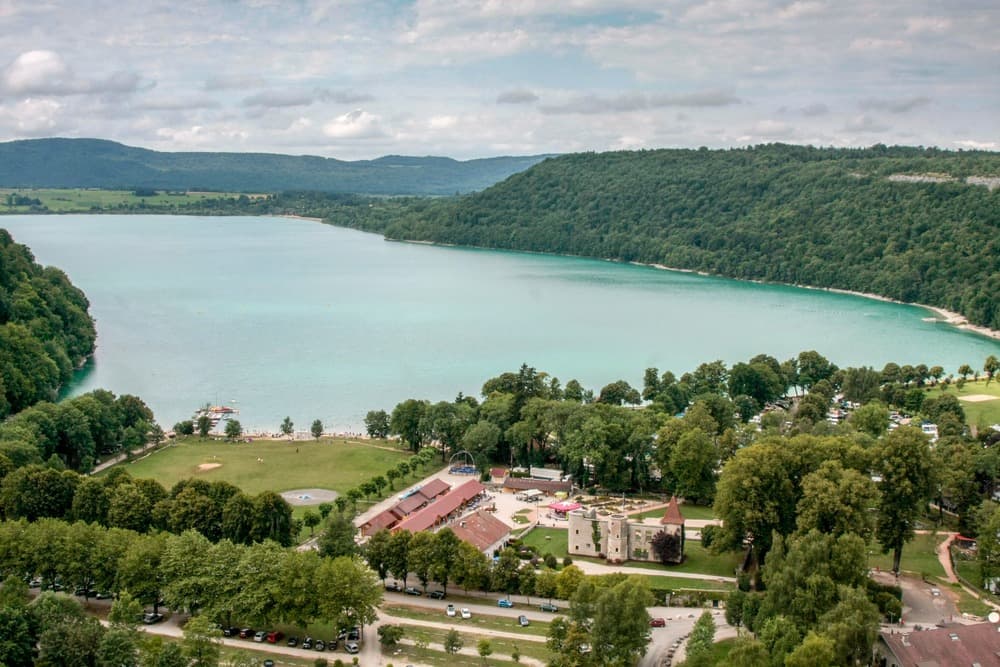
The Jura divides into parallel bands rising toward Switzerland. The Bresse plain gives way to the wine-producing Revermont, then to the first wooded plateaus, before reaching the Haut-Jura and its peaks exceeding 1,700 metres. The lakes of Chalain, Clairvaux and Narlay occupy basins carved by glaciers. The Reculée des Planches-près-Arbois and the Flumen gorges illustrate the characteristic karstic relief.
History and context
The name "Jura" likely comes from the Gallic word jor, meaning forest. The massif long served as a natural border between the Kingdom of France and the Holy Roman Empire. Besançon and Dole vied for regional supremacy until Franche-Comté was finally annexed to France in 1678. Louis Pasteur, born in Dole and raised in Arbois, remains the region's most celebrated historical figure.
Highlights of your visit
The Hérisson waterfall
Between Bonlieu and Ilay, the Hérisson tumbles through a series of falls over nearly 3 km of trail. The Éventail cascade (65 m) and Grand Saut (60 m) are the most spectacular. The path is waymarked and family-friendly, but slippery after rain.
The Arbois and Jura vineyards
The Jura produces unique wines in France: yellow wine, aged under a yeast veil in oak barrels for at least six years and three months, and straw wine, made from shrivelled grapes. The Savagnin grape varietal lies at the heart of these two appellations. Arbois, France's first AOC (1936), concentrates cellars and visitable estates.
The reculées
These dead-end valleys, typical of Jurassien relief, open abruptly onto limestone cliffs. Baume-les-Messieurs, with its medieval abbey and caves, is the most famous. Poligny and Arbois also have their own reculées accessible on foot.
The Haut-Jura and Bienne Valley
Saint-Claude, once the capital of briar pipe and diamond cutting, marks the gateway to the Haut-Jura. The Parc naturel régional du Haut-Jura covers much of this zone, with cross-country skiing trails in winter and mountain-biking itineraries in summer.
Baume-les-Messieurs
This village, classed among France's most beautiful, houses a Benedictine abbey founded in the 6th century, caves with limestone formations and a waterfall accessible from the bottom of the reculée. The ensemble forms a compact and striking site.
Photography tips
The Hérisson waterfall photographs best early in the morning, before summer crowds arrive. The terraced vineyards around Arbois offer their finest light in autumn's late afternoon. The enclosed reculées are better lit at midday. The Chalain and Narlay lakes reflect the forests at dawn.
Location and access
The Jura borders Switzerland to the east and Côte-d'Or to the north. Lons-le-Saunier is the administrative hub; Dole, to the north, is better served by rail. From Lyon, allow approximately 1.5 hours by car to Lons-le-Saunier. From Paris, Dole is accessible by high-speed train in less than 2 hours. A car remains essential for linking the plateaus and isolated villages.
Nearby
- Baume-les-Messieurs — medieval village at the bottom of a reculée, with abbey and caves.
- Arbois — capital of Jura wines and adopted hometown of Louis Pasteur.
- Hérisson waterfall — trail of waterfalls between Bonlieu and Ilay.
- Chalain Lake — glacial lake with turquoise waters, UNESCO-listed prehistoric pile-dwelling site.
- Saint-Claude — town nestled in the Bienne gorges, gateway to the Haut-Jura.
- Dole — former capital of Franche-Comté, birthplace of Louis Pasteur.
Frequently asked questions
Spring (May–June) is ideal for waterfalls in full flow. Summer suits hiking and lake visits. Autumn attracts with grape harvest and forest colours. Winter offers cross-country skiing in the Haut-Jura.
Yes, a car is highly recommended. Public transport serves Lons-le-Saunier and Dole, but the plateaus, lakes and reculée villages are difficult to access without a personal vehicle.
Yes. Arbois concentrates several estates open for visits and tastings. The Jura Wine Route links the main appellations, from Arbois to L'Étoile via Château-Chalon.
The main trail is family-friendly, but it features rocky sections and can be slippery. Closed-toe shoes with non-slip soles are essential, even in fine weather.
Yellow wine is a white wine aged under a yeast veil in oak barrels for at least six years and three months. It develops walnut and curry aromas. It is sold in a distinctive 62 cl bottle called a clavelin.
Yes. The prehistoric pile-dwelling sites on the shores of Chalain Lake are part of the serial property "Prehistoric Pile Dwellings (Prehistoric Pile dwellings) around the Alps,
Photos
Want to discover this destination?
Our local advisors design your tailor-made trip.