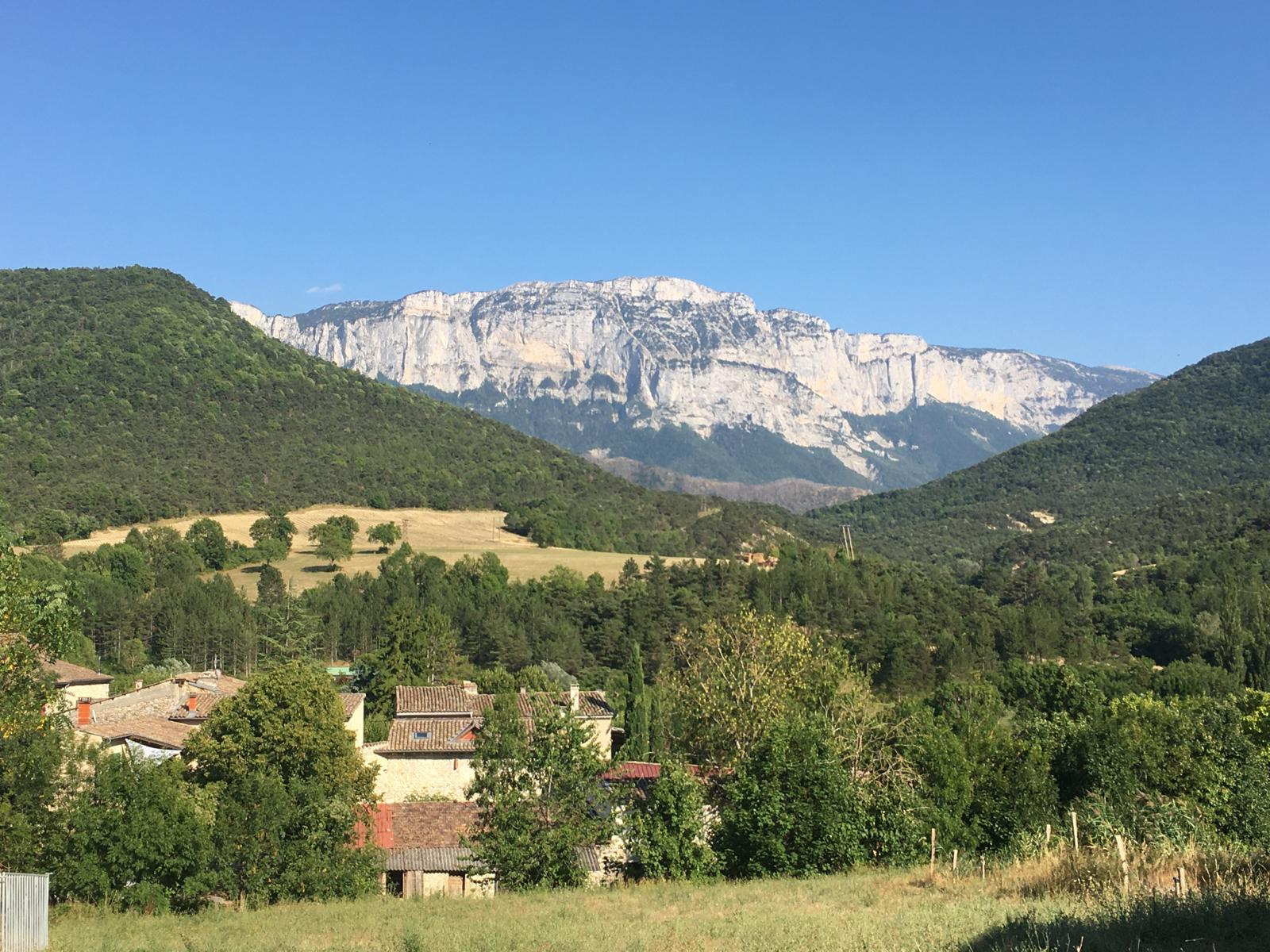
Massif des Fiz
Between Samoëns and Sixt-Fer-à-Cheval, the Massif des Fiz unfolds its dramatic limestone cliffs, karst formations and alpine meadows facing Mont-Blanc. A demanding, mineral hiking terrain in the heart of the Savoyard Prealps.
The Massif des Fiz is a limestone formation in the Northern Prealps, situated in Haute-Savoie between the Giffre and Arve valleys. It peaks at Pic de Tenneverge and forms a distinctive long cliff face visible from Samoëns and Sixt-Fer-à-Cheval. This massif attracts hikers, amateur geologists and lovers of alpine landscapes for its karst plateaus, alpine meadows and views of Mont-Blanc.
Quick practical guide
- Access: frequent departures from Samoëns or Sixt-Fer-à-Cheval, accessible by car via the D907.
- Gear: hiking boots mandatory on rocky trails; warm clothing essential even in summer (high altitude).
- Recommended duration: half-day for lower walks; full day for high-altitude routes.
- Best season: June to October for hiking; outside this period, some trails are snow-covered and dangerous.
- Accessibility: high-altitude trails are not accessible to people with reduced mobility; areas around Sixt remain partly accessible.
What to see
The massif stands out for its dramatic grey limestone cliffs, its lapiaz (rocky surfaces sculpted by water) and flower-filled alpine meadows in summer. The Fiz plateau offers sweeping panoramas of the Mont-Blanc massif. The Gorges des Tines below and the Sixt-Fer-à-Cheval nature reserve complete the area's geological and natural tableau.
History and context
The Massif des Fiz belongs to the limestone Prealps formed tens of millions of years ago by Alpine uplift. Its name appears in medieval pastoral archives linked to the alpages of Sixt, a former Cistercian abbey founded in the twelfth century. Geologists have identified remarkable stratigraphic sequences here, studied since the nineteenth century.
Highlights of your visit
The Fiz Plateau
Accessible from Samoëns by several marked trails, this karst plateau offers a uniquely mineral atmosphere. Lapiaz formations are particularly well-developed here, and on clear days the view of the Mont-Blanc chain extends all the way to the Grand Combin massif.
The Sixt-Fer-à-Cheval Nature Reserve
Adjacent to the massif, this national reserve protects remarkable alpine fauna and flora: chamois, ibex, golden eagles and numerous endemic plant species. The Fer-à-Cheval cirque, with its waterfalls, forms the most spectacular gateway to the area.
The cliffs viewed from the valley
From Samoëns or the road to Sixt, the rocky ridge of the Fiz forms a striking vertical horizon. This perspective is particularly striking at sunset, when slanting light accentuates the limestone relief.
Photography tips
Morning light is ideal from Samoëns for photographing the cliffs in soft backlight. At higher altitudes, favour midday hours for Mont-Blanc panoramas. Flower-filled meadows (July) offer colourful foregrounds. No known photographic restrictions on this natural massif.
Location and access
The Massif des Fiz extends between Samoëns and Sixt-Fer-à-Cheval, in the Haute-Savoie department (74). The D907 connects these two communes from Cluses, accessible via the A40 motorway. Seasonal shuttle services may serve Sixt from Samoëns; check with the local tourist office. Marked GR and PR trails depart directly from the villages.
In the surrounding area
- Fer-à-Cheval Cirque — glacial amphitheatre with waterfalls, at the entrance to the Sixt nature reserve.
- Samoëns — classified village, departure point for cable cars and trails to the Fiz.
- Gorges des Tines — limestone canyon carved by the Giffre, accessible on foot from Samoëns.
- Sixt-Fer-à-Cheval — alpine village with former Cistercian abbey and access to the nature reserve.
Frequently asked questions
June to October, once snow has melted on high-altitude trails. July and August feature flowers in the meadows; September offers softer light and fewer crowds.
Low-altitude trails around Sixt and Samoëns are suitable for beginners. Routes to the Fiz plateau require good fitness and proper equipment.
Yes, both sites are close and complement each other well. A day is enough to visit the cirque and enjoy a walk through the lower meadows of the massif.
Several staffed refuges operate in the area during summer season. Check with the French Alpine Club or the Samoëns tourist office for availability and reservations.
Chamois and ibex are regularly seen on rocky slopes, especially early in the morning. Golden eagles frequently soar over the Sixt reserve area.
Discover Massif des Fiz with our itineraries
All our tours →
Want to discover this destination?
Our local advisors design your tailor-made trip.