Grand Veymont
Grand Veymont
The highest point of the Vercors massif at 2,341 m, Grand Veymont offers panoramic views of the Alps from a spectacular limestone ridge, accessible to experienced hikers from Gresse-en-Vercors.
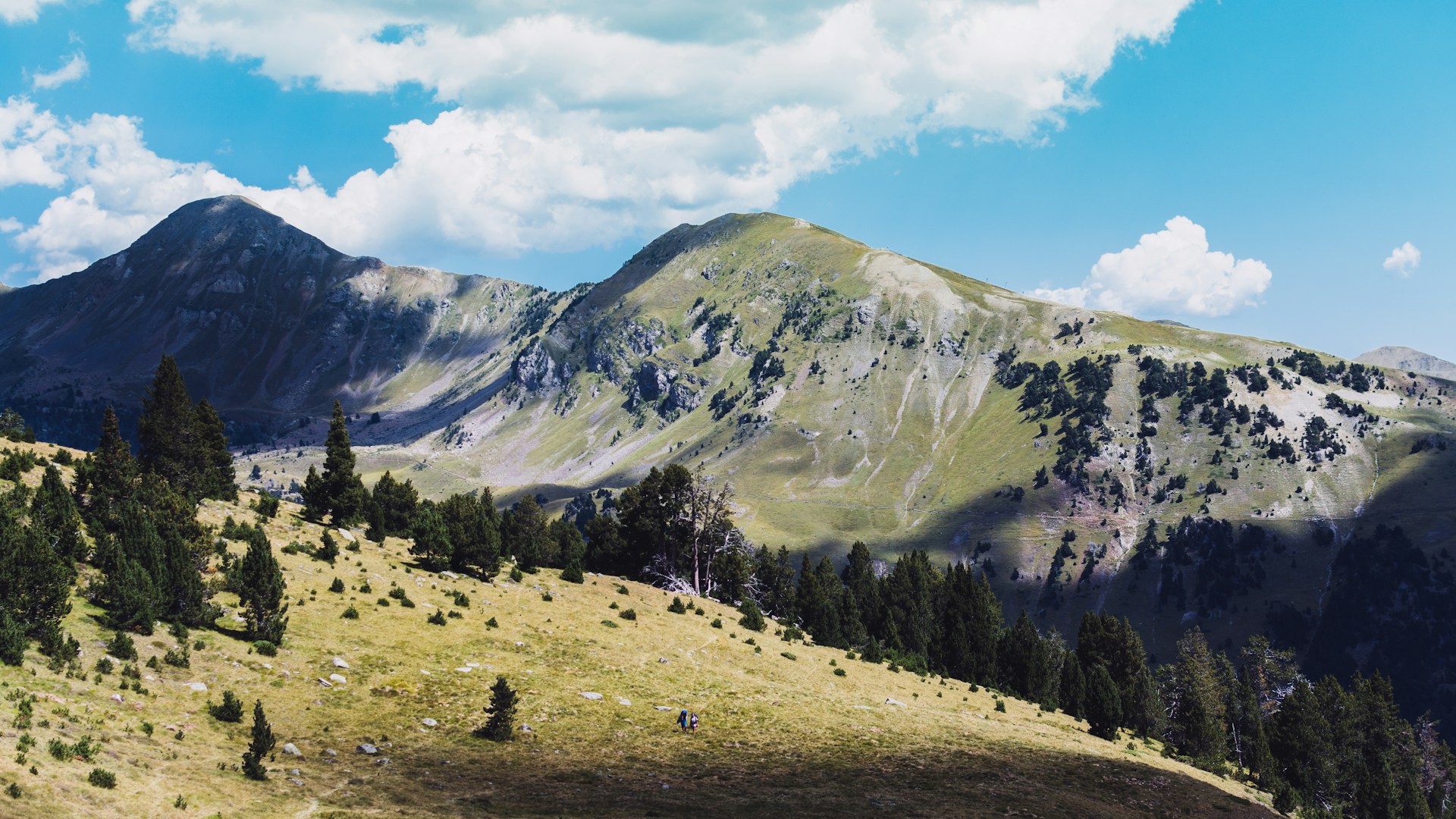
Grand Veymont is the highest peak of the Vercors massif at 2,341 meters elevation, in the municipality of Gresse-en-Vercors in Isère. This east-west limestone cliff dominates the Vercors plateau and offers exceptional panoramic views of the Alps. The ascent, accessible to experienced hikers, crosses landscapes of karst limestone, alpine meadows, and coniferous forests characteristic of Vercors.
Practical information at a glance
- Access: typical departure from Gresse-en-Vercors (Isère), accessible by car via D8 from Monestier-de-Clermont
- Entry: free (natural site, Vercors Regional Nature Park)
- Recommended duration: full day (round trip from Gresse-en-Vercors)
- Level: demanding hike, good physical condition required; significant elevation gain
- Best season: June to October; snow possible outside this period
- Accessibility for people with reduced mobility: not accessible
What to see there
The summit is a sharp limestone ridge, bordered to the west by the great vertical cliffs of Vercors. To the east, views extend across Belledonne, Chartreuse, Mont Blanc on clear days, and the Dévoluy peaks. The summit plateau reveals karst limestone formations sculpted by erosion, sinkholes, and protected alpine flora.
History and context
Vercors is a limestone plateau that was lifted during Alpine mountain-building. Grand Veymont, the highest point of this massif, long served as a geographical landmark for local populations. During World War II, the Vercors massif was the site of major armed resistance; the heights of Veymont provided a natural refuge for resistance fighters.
Highlights of the visit
The summit ridge
The final meters before the summit follow a narrow ridge with dramatic views down the western cliffs of Vercors. The sense of exposure is strong; wind can be severe. A cairn marks the 2,341 m summit point.
The Vercors plateau from above
From the ridge, the interior of the Vercors plateau appears as a vast expanse of forests and farmland, encircled by limestone ramparts. This contrast between the gentle interior and the dramatic exterior cliffs defines the massif's signature landscape.
Alpine flora
Between 1,800 m and the summit, the meadows harbor protected species: alpine edelweiss, alpine anemones, and other alpine plants. The Vercors Regional Nature Park oversees the protection of these environments; plant collection is prohibited.
Photography tips
Morning light is ideal on the eastern ridge before valley mist rises. In late afternoon, the western cliffs take on a golden hue. From the summit, frame toward the northeast to include Belledonne and, on clear days, Mont Blanc. Avoid midday sun in summer: white limestone overexposes easily.
Location and access
Grand Veymont lies at the boundary between the municipalities of Gresse-en-Vercors and Chichilianne, within the Vercors Regional Nature Park (Isère, 38). The most frequent departure point is the village of Gresse-en-Vercors, accessible from Grenoble via the D8 through Monestier-de-Clermont. From Grenoble, allow approximately one hour of driving. There is no regular public transport to the trailhead; a personal vehicle is necessary.
Mountain guides offer guided outings from Grenoble or Gresse-en-Vercors, particularly for winter conditions or technical variations.
Nearby attractions
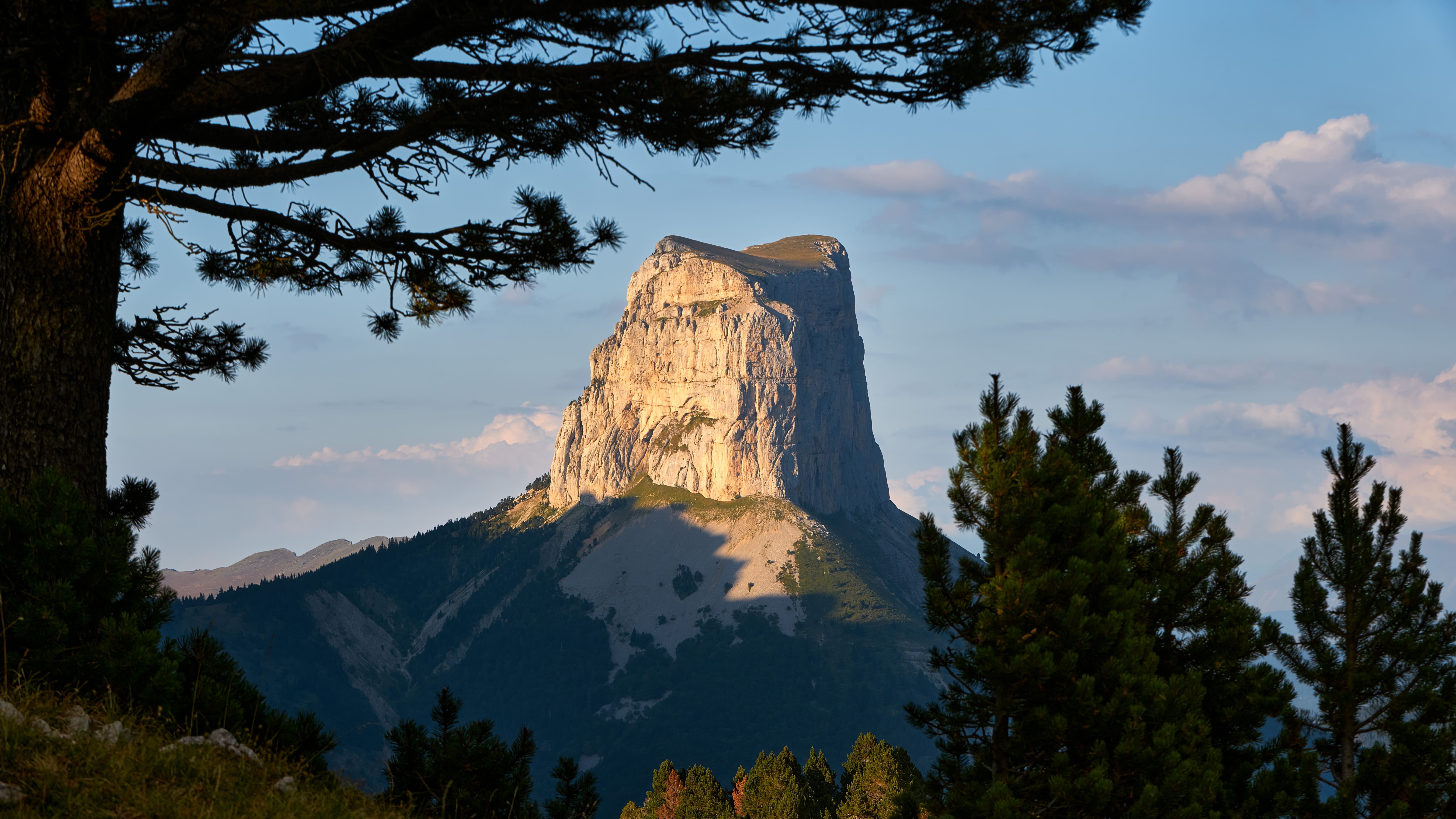
- Mont Aiguille — emblematic limestone monolith of Vercors, visible from Grand Veymont, considered the cradle of modern mountaineering.
- Gresse-en-Vercors — departure village, family ski resort in winter, services and accommodation hub for hikers.
- Hauts Plateaux du Vercors — national nature reserve, wild and little-visited area, accessible from Grand Veymont via the ridge.
- Chichilianne — village at the foot of Mont Aiguille, alternative departure point to reach the Grand Veymont area from the south.
Frequently asked questions
From June to October, when the trail is clear of snow. In July-August, alpine meadows are in bloom. Outside this window, snow and ice make the ascent technical and require specialized equipment.
No. The elevation gain is significant and the final ridge involves exposed sections. Good physical condition, sturdy hiking boots, and mountain experience are essential.
These two peaks are geographically close but each represents a full day of hiking in itself. Mont Aiguille additionally requires a rope and guide for its ascent; it cannot be combined with Grand Veymont in a single day.
There is no staffed refuge directly on the classic itinerary from Gresse-en-Vercors. Bring sufficient water; mountain springs are not guaranteed depending on the season.
Yes, with no particular restrictions. The site is public natural space. Simply be careful not to trample protected flora when positioning yourself.
There is no regular public transport connection to Gresse-en-Vercors. Carpooling or vehicle rental from Grenoble are the most practical options.
Photos
Interested in this visit?
We can include it in your personalised itinerary.