Route des Grands Crus of Burgundy
Route des Grands Crus of Burgundy
From Dijon to Santenay, the Route des Grands Crus winds through 60 kilometers of UNESCO-listed vineyards, connecting Gevrey-Chambertin, Vougeot, Vosne-Romanée and Beaune in the heart of Burgundy's wine country.
The Route des Grands Crus traces the Côte d'Or for some 60 kilometers, from Dijon to Santenay, crossing vineyards inscribed on the UNESCO World Heritage list since 2015. It links emblematic wine villages—Gevrey-Chambertin, Vougeot, Vosne-Romanée, Nuits-Saint-Georges, Meursault, Pommard—and offers a journey that is simultaneously scenic, historical, and gastronomic through the heart of Burgundy's wine region.
Quick reference
- Access: departure from Dijon (TGV station well-served from Paris); route marked for driving, cycling, or walking.
- Recommended duration: one day for an overview; two to three days to visit cellars and villages at your own pace.
- Best season: May through November; the vendanges (September–October) bring particular animation to the villages.
- Cycling: dedicated cycle path for much of the route; rentals available in Dijon and Beaune.
- Cellar visits: by reservation for most estates; some offer tastings without an appointment.
What you'll see
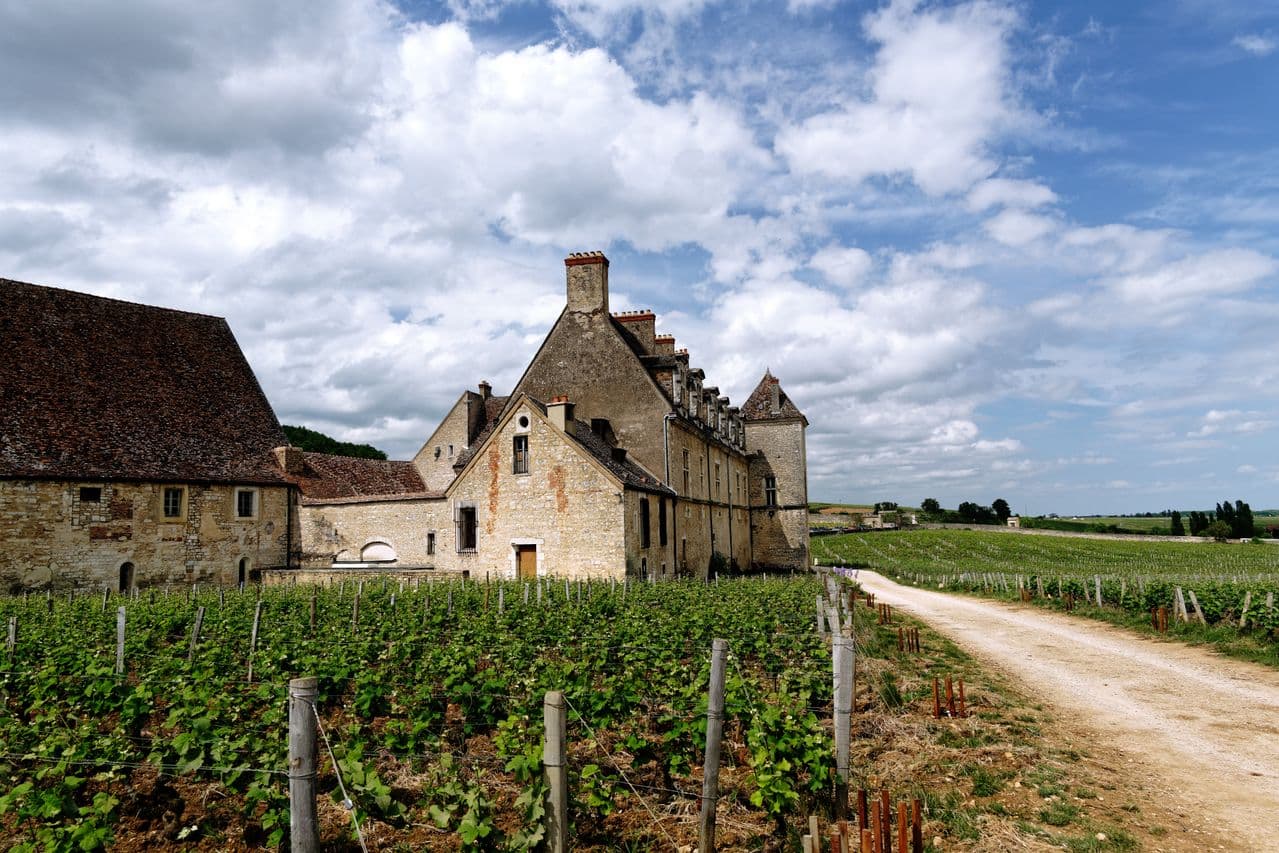
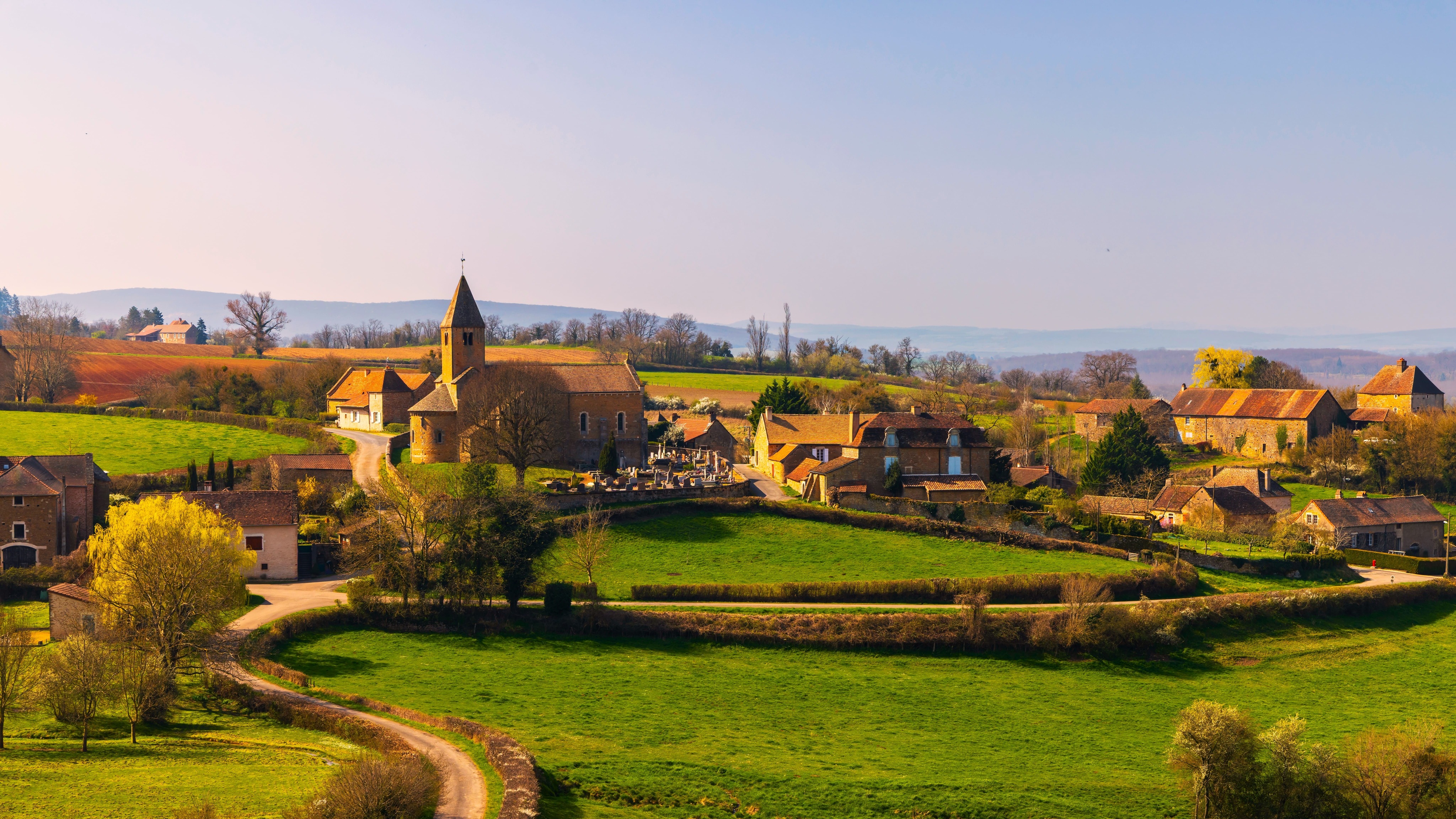
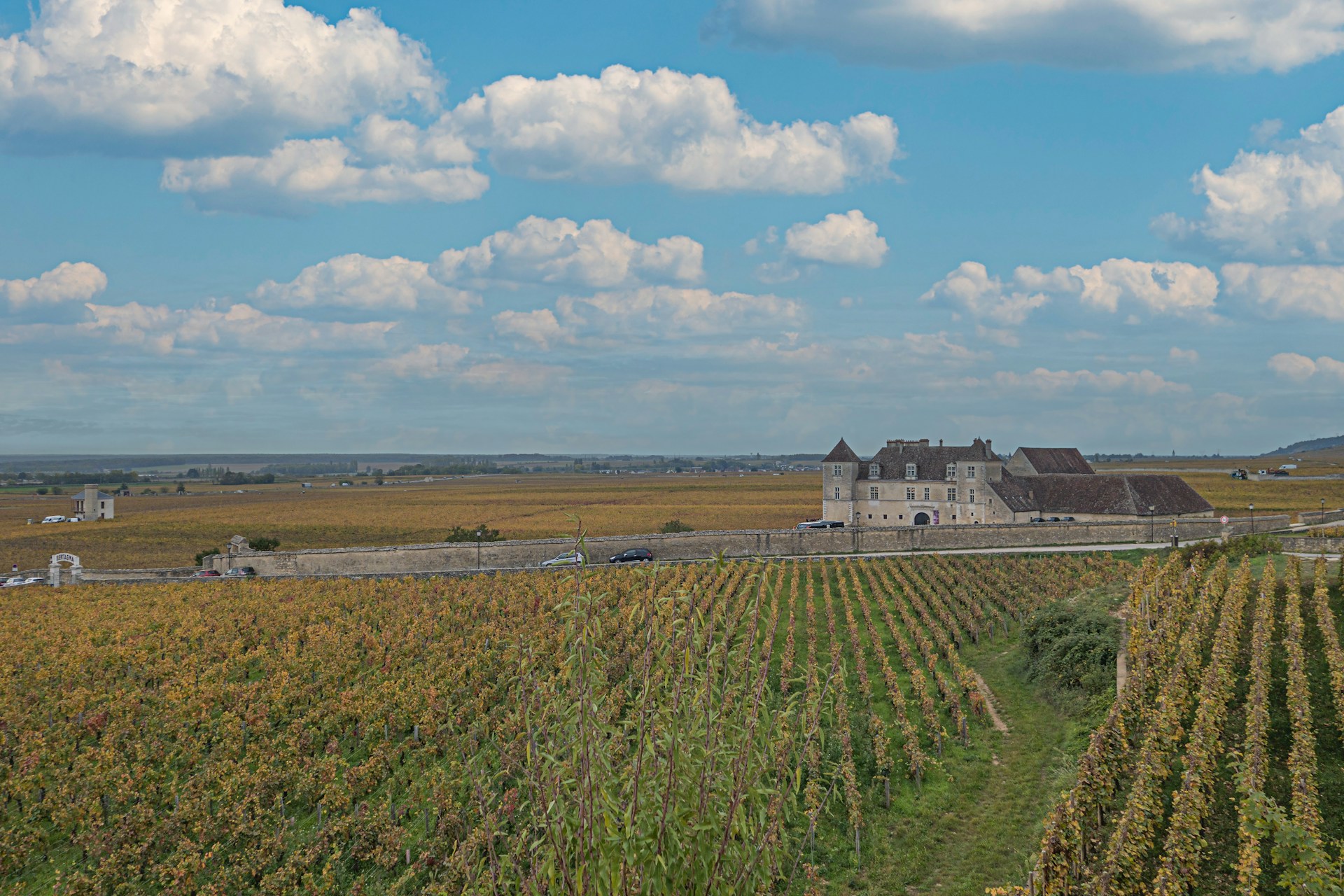
The landscape is structured by narrow plots—the climats—marked off by dry stone walls. Each village has its own church, often Romanesque, and barrel-vaulted cellars. The Château du Clos de Vougeot, seat of the Confrérie des Chevaliers du Tastevin, is the most-visited landmark on the route. Appellations succeed one another on roadside signs: Chambolle-Musigny, Morey-Saint-Denis, Aloxe-Corton.
History and context
Cistercian monks from Cîteaux Abbey shaped these vineyards from the 12th century onward, defining the first clos and perfecting winemaking techniques. The French Revolution fragmented large ecclesiastical estates, giving rise to the system of micro-properties that still characterizes Burgundy. The UNESCO inscription in 2015 recognized the "Climats of Burgundy's Vineyards" as a living cultural landscape.
Highlights of the visit
Château du Clos de Vougeot
Built by Cistercian monks between the 12th and 16th centuries, this château houses four medieval wooden presses still visible today. It hosts chapters of the Confrérie des Chevaliers du Tastevin and is open year-round for visits.
Gevrey-Chambertin
The first great village as you head south from Dijon. Its medieval château overlooks the vines. The Chambertin appellation was reportedly the preferred wine of Napoleon Bonaparte, according to local tradition.
Vosne-Romanée
A discreet village that nonetheless harbors Romanée-Conti, one of the world's most expensive wines. The plot, minuscule, is marked only by a simple stone cross amid the vines.
Beaune and its Hospices
Midway along the route, Beaune concentrates cellars, merchants, and the Hôtel-Dieu (15th century) with its distinctive varnished tile roofs. The Hospices de Beaune wine auction, held each November, is the world's most famous charity wine sale.
Meursault and the Côte de Beaune
The route shifts character south of Beaune: white wines (Chardonnay) take the lead. Meursault, Puligny-Montrachet, and Chassagne-Montrachet produce white Burgundies of worldwide renown.
Photography tips
Golden light in late afternoon on the vine rows is optimal in autumn, when foliage turns yellow and red. Dry stone walls and appellation signs make effective foregrounds. The viewpoint at Corton offers an open view over the plain. Avoid entering private plots to photograph.
Location and access
The route begins at Dijon (or at Marsannay-la-Côte) and descends southward to Santenay, following the RD 122, known as the "route des Grands Crus." Beaune, halfway along, is accessible by TGV from Paris (roughly 1 hour 30 minutes). Shuttles and organized tours departing from Dijon and Beaune allow visiting without a car. The EuroVelo 6 cycle path and local greenways cover much of the route.
In the vicinity
- Hôtel-Dieu of Beaune — a 15th-century flamboyant Gothic masterpiece, with its famous Last Judgment polyptych.
- Château du Clos de Vougeot — medieval Cistercian presses and seat of the Confrérie des Chevaliers du Tastevin.
- Historic center of Dijon — Palace of the Dukes of Burgundy, Museum of Fine Arts, and medieval architecture 30 minutes to the north.
- Cîteaux Abbey — birthplace of the Cistercian order, still inhabited by monks, east of the route.
Interested in this visit?
We can include it in your personalised itinerary.