Château du Clos de Vougeot
Château du Clos de Vougeot
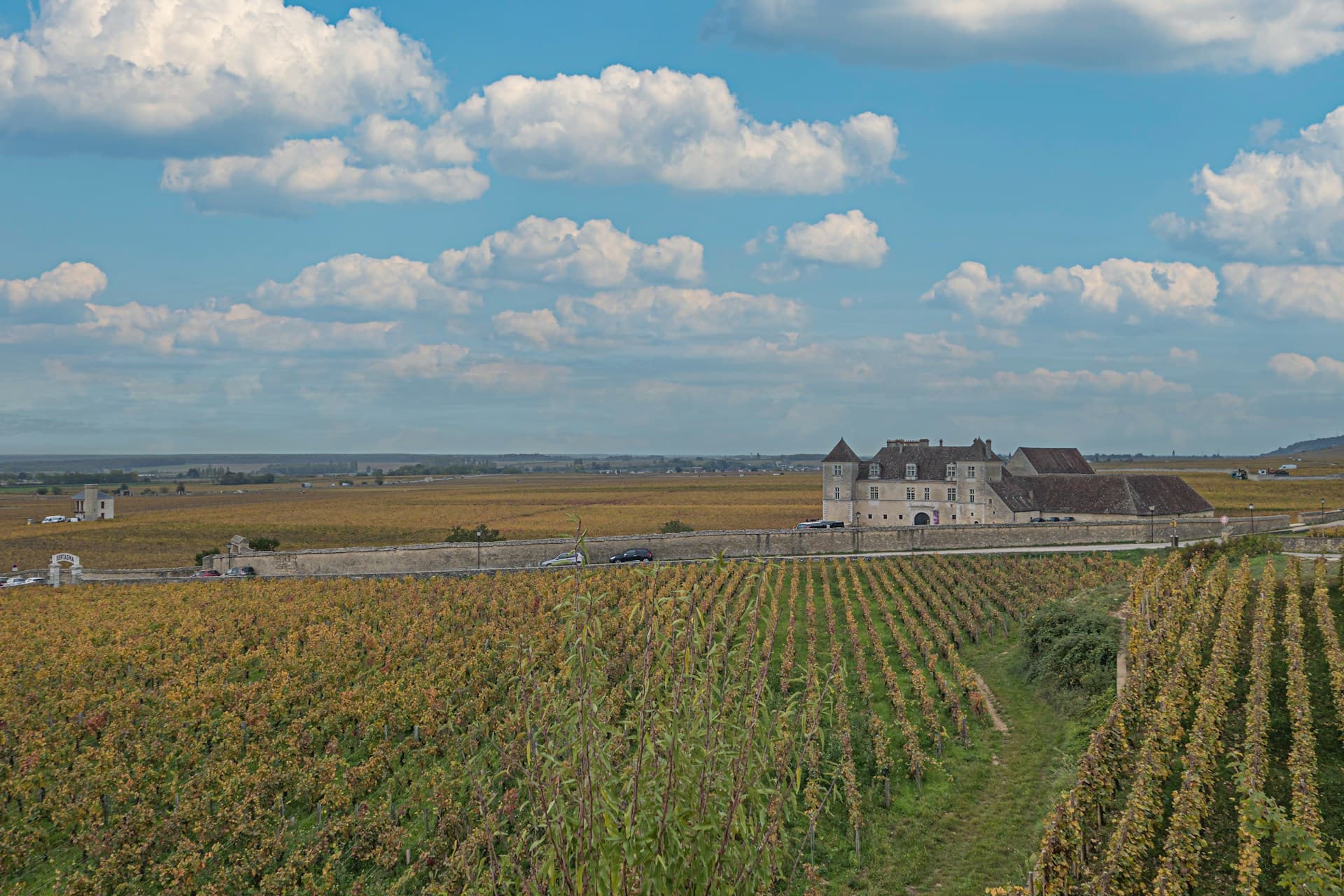
Founded by Cistercian monks in the 12th century, Château du Clos de Vougeot overlooks 50 hectares of Grand Cru in the Côte de Nuits. Medieval presses, Renaissance vat room, and seat of the Confrérie des Chevaliers du Tastevin.
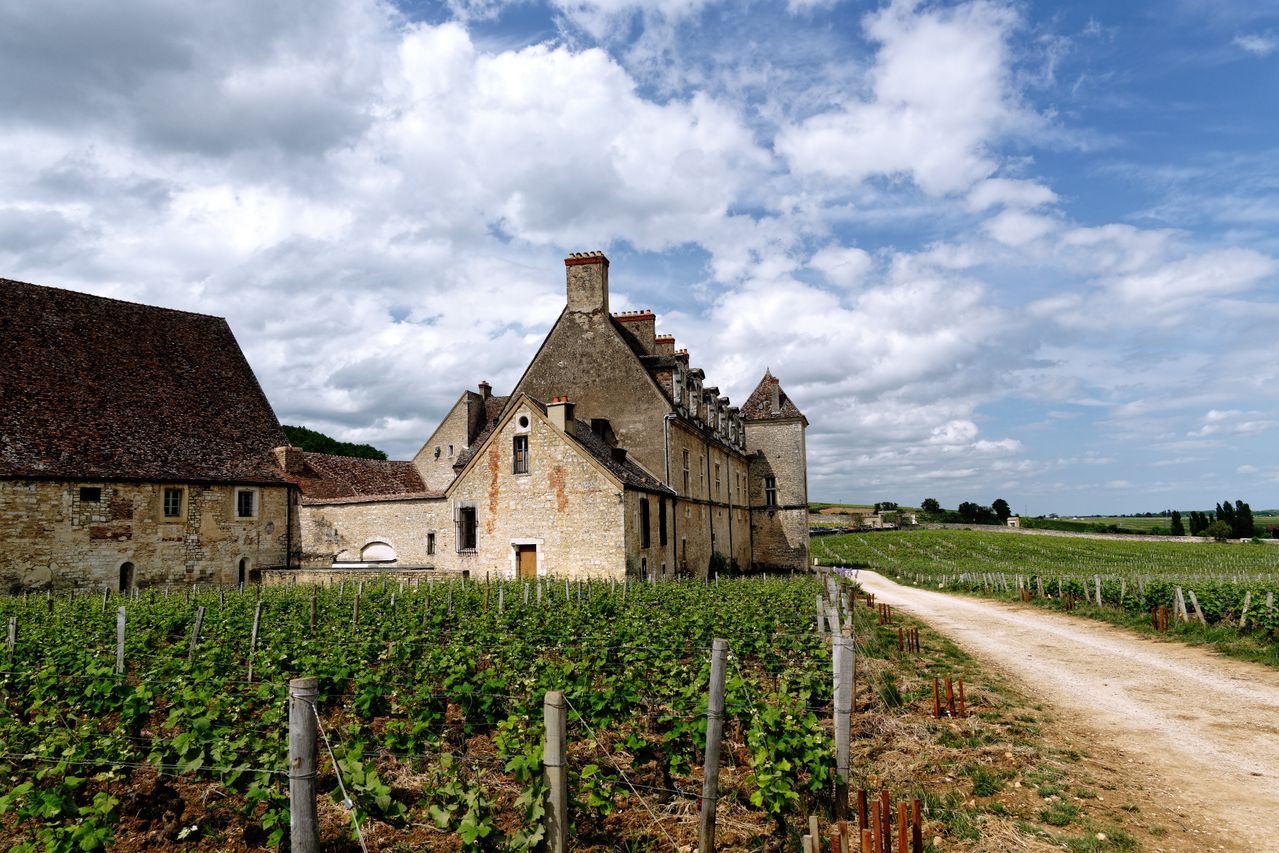
At the heart of the Côte de Nuits, Château du Clos de Vougeot dominates one of Burgundy's most celebrated vineyards. Founded by Cistercian monks in the 12th century, this monument historique today houses the Confrérie des Chevaliers du Tastevin. The château embodies both Burgundian wine heritage and medieval monastic architecture, set within 50 hectares of Grand Cru vines.
Quick practical guide
- Admission: paid entry (reduced rates available)
- Recommended duration: 1 to 1.5 hours
- Access: by car from Dijon (approximately 15 km south via D122, Route des Grands Crus); on-site parking
- Closures: the château closes during the Confrérie's private chapters — check the calendar before your visit
- Accessibility: partial access (ground floor accessible, some areas with stairs)
What to see
The tour covers four monumental 12th-century presses, still in place in the lower cellar. The grand Renaissance vat room houses oak foudres aligned beneath remarkable timber framing. The monks' dormitory on the first floor offers an imposing reception hall. The vineyard surrounding the château, entirely classified as Grand Cru AOC Clos de Vougeot, can be explored along the exterior pathways.
History and context
Monks from Cîteaux Abbey began planting vines on this site in the 12th century. They gradually built the château between the 12th and 16th centuries. After the Revolution, the estate was sold as national property and changed hands several times. In 1944, the Confrérie des Chevaliers du Tastevin purchased the château and made it their headquarters, hosting their famous gastronomic chapters in the grand hall.
Highlights of the visit
The Cistercian presses
Four wooden presses from the 12th century are preserved in the lower cellar. Their central-screw mechanism, intact, testifies to medieval hydraulic craftsmanship. This is one of Burgundy's best-preserved ensembles of ancient presses.
The grand vat room
This Renaissance hall houses oak foudres beneath exposed rafter timber framing. Its acoustics and proportions make it today a venue for concerts and receptions. Light filtered through mullioned windows creates a distinctive atmosphere in the late afternoon.
The Grand Cru vineyard
Clos de Vougeot is one of the largest Grand Crus of the Côte de Nuits at 50 hectares in a single plot. Walking along the stone wall that demarcates the clos allows you to understand the Burgundian concept of climat, a precise geographical unit recognized by UNESCO as world heritage.
Photography tips
Morning light is ideal for photographing the Renaissance façade from the entrance avenue. The medieval presses work well with diffused natural light — avoid flash. In autumn, the golden vine rows surrounding the château create a particularly striking frame.
Location and access
The château is located in the village of Vougeot, on the Route des Grands Crus (D122), between Gevrey-Chambertin to the north and Nuits-Saint-Georges to the south. Dijon is approximately 15 km away. The nearest station is Nuits-Saint-Georges, served from Dijon. Guided tours are available on site, some including a tasting. The site is also accessible by bike via the Route des Grands Crus.
Nearby attractions
- Gevrey-Chambertin — wine village to the north, renowned for its Grand Crus and 10th-century medieval château.
- Nuits-Saint-Georges — hub of wine trade in the Côte de Nuits, with cellars and an archaeological museum.
- Cîteaux Abbey — mother abbey of the Cistercian order, founder of the Clos vineyard, about twenty kilometres to the east.
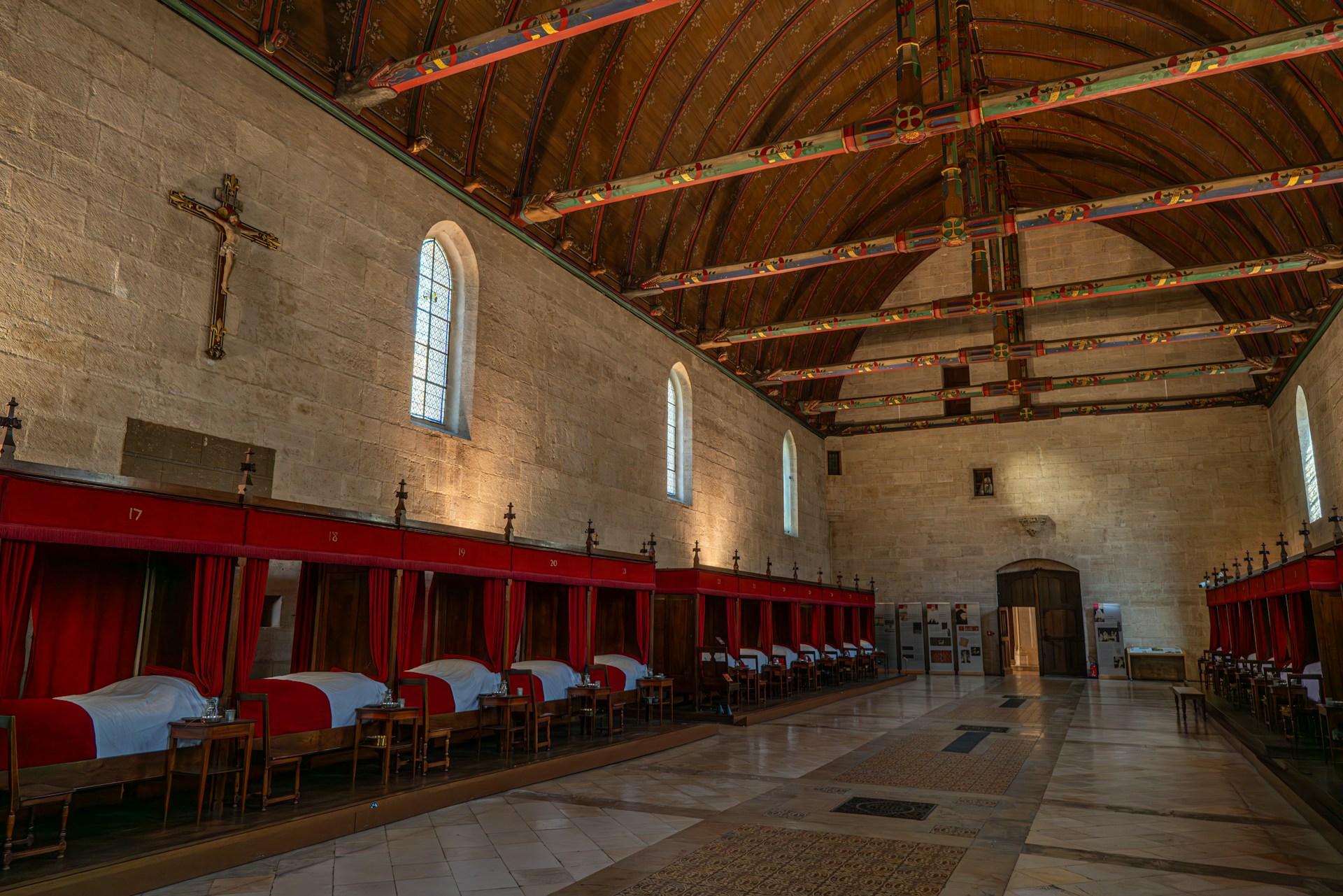
- Beaune — capital of Burgundy wines, with the Hospices and numerous trading houses, approximately 25 km to the south.
Frequently asked questions
Autumn (September–October) is particularly rewarding: harvest activity animates the vineyard and the golden vine colours frame the château beautifully. Spring also offers lovely light and fewer visitors than summer.
Some tour packages include a tasting of Clos de Vougeot wines. Contact the château directly to find out what options are available on your date.
Yes. The Confrérie des Chevaliers du Tastevin organizes several private chapters per year, during which the château closes to visitors. Check the official calendar before planning your visit.
The château fits naturally into a Route des Grands Crus itinerary. Gevrey-Chambertin to the north and Nuits-Saint-Georges to the south are both within 10 km and easily visited on the same day by car or bike.
Photography is generally permitted for personal use in the tour areas. Use of tripods or professional equipment may require prior authorization.
Public transport access is limited. Nuits-Saint-Georges station (Dijon–Lyon line) is the nearest, but you will then need to reach Vougeot by other means. Car or bike remain the most practical options.
Nearby
Discover Château du Clos de Vougeot with our itineraries
All our tours →
Bivouac hivernal dans le Jura
Jura
Dormir dans le Jura quand il gèle : froid dehors, feu dedans.
From €280
Brame du cerf dans le Jura
Jura
Dans le Jura, la forêt retient son souffle au moment du brame.
From €350
Sur les traces du lynx - Jura
Jura
Dans le Jura, le lynx passe. Apprendre à lire ses traces, c'est déjà le voir.
From €420
Interested in this visit?
We can include it in your personalised itinerary.