Savoie
Glacial Alps, Lake Bourget, Vanoise National Park and the medieval heart of Chambéry: Savoie brings together mountain sports, ducal history and Alpine gastronomy in a single department.
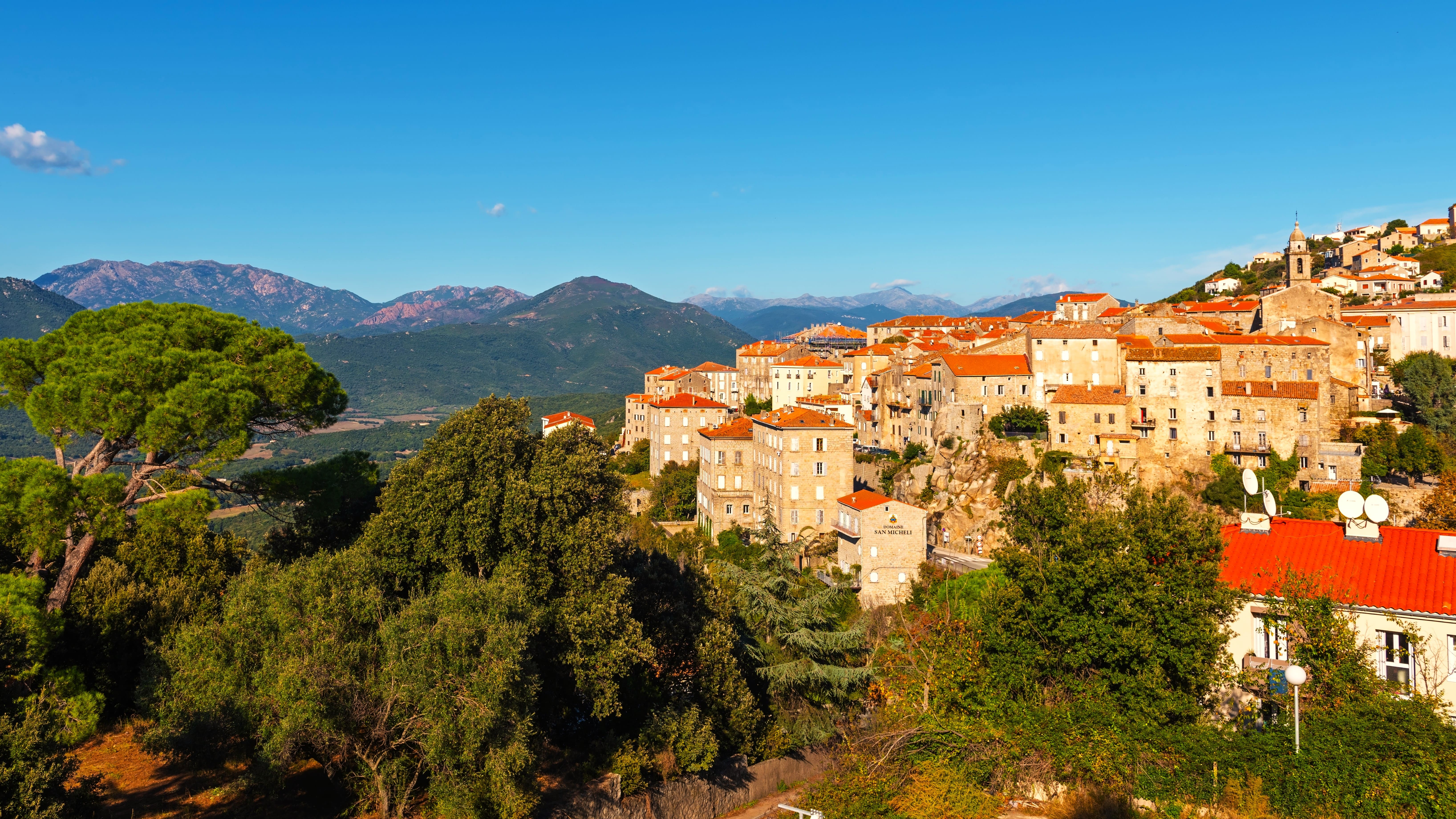
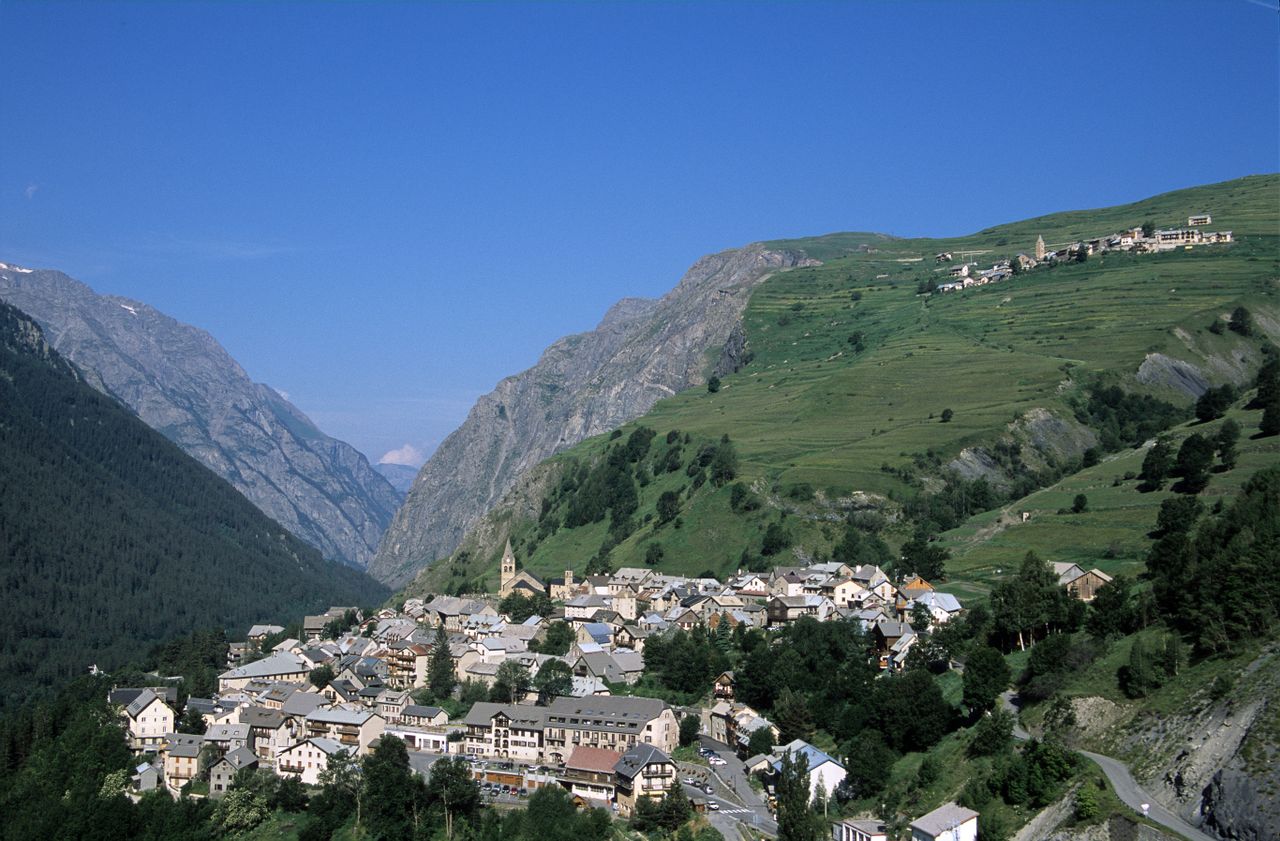
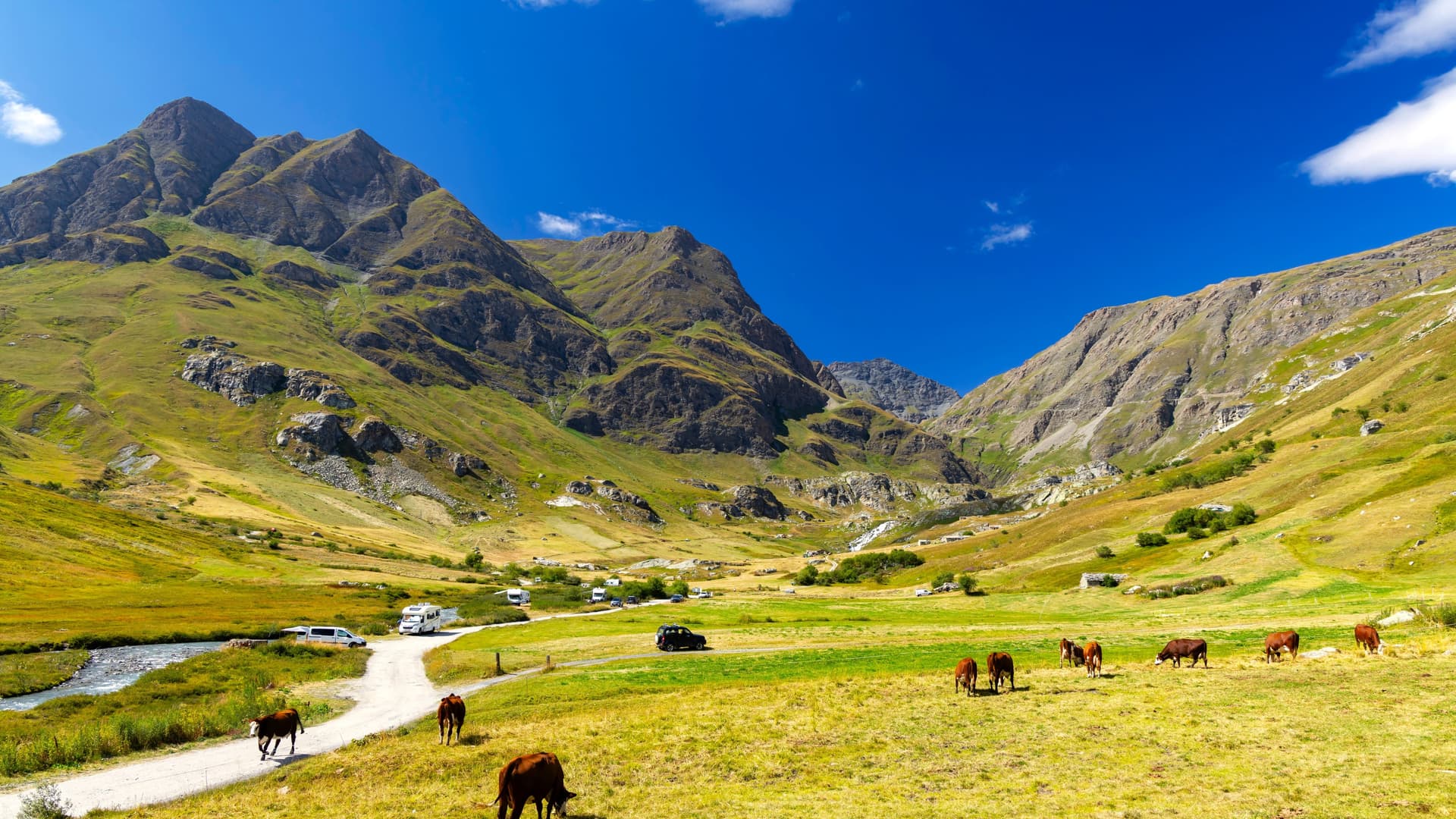
Savoie is an Alpine department in south-eastern France, bordered by Italy and Switzerland. Glacial massifs, mountain lakes, renowned ski resorts and medieval villages make up a territory of great diversity. Chambéry is its historic capital. The region appeals equally to winter sports enthusiasts and summer hikers, Alpine history buffs and food lovers seeking local cheeses and cured meats.
Practical information at a glance
Access: TGV Paris–Chambéry in approximately 2 hours; A43 motorway from Lyon.
Nearby airports: Chambéry–Savoie–Mont-Blanc, Lyon-Saint-Exupéry, Geneva.
Best time to visit: December–April for skiing; June–September for hiking and lakes.
What to wear: Mountain gear essential at altitude, even in summer.
Recommended duration: minimum 4–5 days to combine multiple massifs and towns.
What to see
Savoie concentrates several major massifs: Mont-Blanc (French slope shared with Haute-Savoie), Vanoise — France's first national park —, Tarentaise and Maurienne. Lake Bourget and Lake Aiguebelette offer calm waters in the valley floor. Chambéry preserves the castle of the Dukes of Savoie and its medieval alleyways. Resorts like Val Thorens, Les Menuires and Tignes structure the winter economy.
History and context
Savoie was long an independent state, the Duchy of Savoie, before its attachment to France in 1860 through the Treaty of Turin. This history explains a distinct cultural identity, Italian influences in architecture and cuisine, and a historic Franco-Savoyard bilingualism. The Houses of Savoie ruled much of the western Alps for several centuries.
Highlights of a visit
Vanoise National Park
France's first national park, created in 1963, Vanoise protects glaciers, ibex and chamois across more than 530 km². Trails connect high mountain refuges and glacial passes. Access is from Pralognan-la-Vanoise or Bonneval-sur-Arc.
Lake Bourget
France's largest natural lake, Lake Bourget spreads at the foot of the Épine massif. Aix-les-Bains, on its eastern shore, is a thermal spa town with a long cure tradition. Hautecombe Abbey, on the opposite shore, houses the tombs of the princes of Savoie.
Chambéry, historic capital
The castle of the Dukes of Savoie dominates the old town. The arcaded pedestrian streets, the Fountain of the Elephants and Saint-François-de-Sales Cathedral deserve half a day. The Savoyard Museum traces regional history.
Major ski resorts
Val Thorens is Europe's highest altitude resort. The Three Valleys form the world's largest interconnected skiable domain. Tignes and Val d'Isère make up Espace Killy, renowned for spring skiing on the glacier.
Maurienne
This long Alpine valley links Chambéry to Mont-Cenis Pass and Mont-Genèvre Pass. It concentrates exceptional Baroque heritage: gilded altarpieces in dozens of village churches, notably at Saint-Jean-de-Maurienne and Lanslebourg.
Tips for photography
At altitude, light is clearest early morning, before valley mist rises. For lakes, sunrise offers reflections without wind. In winter, short days mean photographing slopes mid-morning. Maurienne's Baroque villages are better lit in the afternoon, with facades facing west.
Location and access
Savoie (department 73) is framed to the north by Haute-Savoie, west by Isère and Ain, south by Hautes-Alpes, east by Italy. Chambéry is the main rail hub. The Fréjus tunnel connects Maurienne to Turin. Mountain roads are subject to winter closure; check conditions before any high-altitude travel.
Nearby attractions
Haute-Savoie — Annecy, Mont-Blanc and Lake Léman, less than an hour to the north.
Grenoble — capital of the French Alps, gateway to Vercors and Chartreuse, 60 km to the west.
Aix-les-Bains — thermal resort on Lake Bourget, 15 km from Chambéry.
Val d'Isère — legendary resort in Espace Killy, in Tarentaise.
Hautecombe Abbey — necropolis of the princes of Savoie, accessible by boat from Aix-les-Bains.
Frequently asked questions
December to April for skiing; June to September for hiking, lakes and mountain biking. May and November are transition periods with many high-altitude accommodations closed.
High-cut hiking boots, waterproof clothing and warm layers are essential even in summer above 2,000 m. Afternoon thunderstorms are frequent in July–August.
Savoie produces several AOPs: Beaufort, Abondance, Reblochon, Tome des Bauges and Emmental de Savoie. Markets in Chambéry and Albertville are good places to buy.
The Altibus network connects Chambéry and Grenoble to major resorts in winter. In summer, connections are more limited; a car remains necessary for secondary valleys and passes.
Yes, several marked low-altitude trails suit children. The park centres at Pralognan-la-Vanoise and Bonneval-sur-Arc offer educational activities.
Yes. Chambéry–Annecy takes less than an hour. A week-long circuit can include Chambéry, Lake Bourget, Annecy and a mountain resort in both departments.