What are the natural hazards when venturing into nature?
Nature offers us its most beautiful spectacles, but it also retains its wild and unpredictable character. Thunderstorms, flash floods, wildfires... These risks shouldn't keep us on the couch, but rather invite us to understand them better. With the right knowledge and proper preparation, every outing becomes a serene adventure.
Nature offers us its most beautiful spectacles, but it also retains its wild and unpredictable character. Thunderstorms, flash floods, wildfires... These risks shouldn't keep us on the couch, but rather invite us to understand them better. With the right knowledge and proper preparation, every outing becomes a serene adventure.
Storms and lightning
Let's be honest, a thunderstorm in the great outdoors is something of a lottery you don't want to win. The main danger remains lightning, which seeks the shortest path to the ground and loves high points: isolated trees, ridges, pylons. If you find yourself on a summit when the sky starts to rumble, descend quickly.
The warning signs sometimes arrive even before the first rumbles. Your hair standing on end or your hiking poles vibrating? Bad sign. Crouch in a safe position, feet together, to reduce your contact surface with the ground and prevent lightning from passing through your body. Place your hands on your knees without touching the ground, keep your head down, and keep any metal objects away from you.
Storms and violent winds
Gusts can turn the forest into a combat zone with branches flying and trees collapsing. In the mountains, wind can knock you off balance on a ridge.
When it's blowing hard, avoid dense undergrowth, where weakened trees risk falling.
Extreme heat and intense cold
Heatwaves can cause exhaustion, dehydration, and heat stroke. Conversely, hypothermia threatens even in mild conditions: a temperature of 50°F combined with wet clothing and wind is enough to dangerously cool the body. The mountains have this nasty habit of dropping from 68°F in full sun to 41°F in the rain in just an hour. Always have a warm and waterproof layer in your backpack.
Fog
Fog in the mountains settles faster than you can say "where did the trail go?". Visibility drops to just a few meters, landmarks disappear. It transforms the smallest scree field into a trap and cliffs into invisible danger. In these conditions, a map, a compass and a GPS become your best friends.
Ground movements
Landslides, rockfalls, and collapses are risks often underestimated. After heavy rains, the ground becomes unstable. In steep terrain, be alert to cracking sounds and small rocks tumbling down : this is often a sign that a larger collapse is brewing.
Forest fires
In summer, heat turns certain forest massifs into powder kegs. Fires spread at astonishing speed, especially with wind. The warning signs? An unusual smell of smoke, a sky turning orange, animals fleeing en masse. If you see or smell a fire starting, immediately alert the authorities and
move away perpendicular to the wind direction.
Floods and flash floods
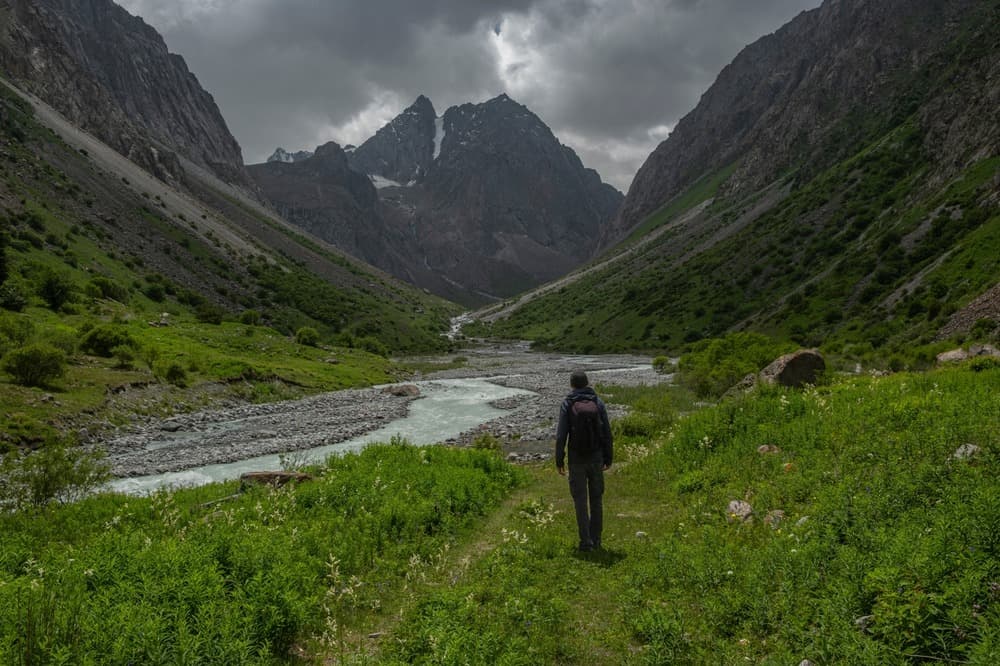
Flash floods are treacherous and can strike even when the sun is shining overhead. In the mountains, a storm can erupt 6 miles away and send all its water without warning. If water levels rise abruptly, if it becomes murky and carries branches, head to higher ground immediately. Crossing a swollen stream is a very bad idea: 20 inches of moving water is enough to throw you off balance.
Avalanches
In snow-covered regions, avalanches represent a mortal danger. Before any winter mountain outing, consult the avalanche risk assessment bulletin and equip yourself with a beacon, shovel, and probe.
Preventive measures
Preparation and information
The best way to manage natural hazards is to anticipate them. Start by knowing the specific risks of the region you're going to explore. Some areas are more prone to storms, others to floods or fires.
Check the weather the day before, consult specialized mountain bulletins, find out about local conditions. Conditions can change very rapidly, especially at altitude. And don't forget to inform someone of your itinerary and your expected return time.
Appropriate equipment
On the gear side, don't skimp on essentials. Wear clothing suited to the expected conditions and their potential changes: layering system, a properly waterproof jacket, sun protection. Even if the sky is clear at the start, pack something to cover yourself with.
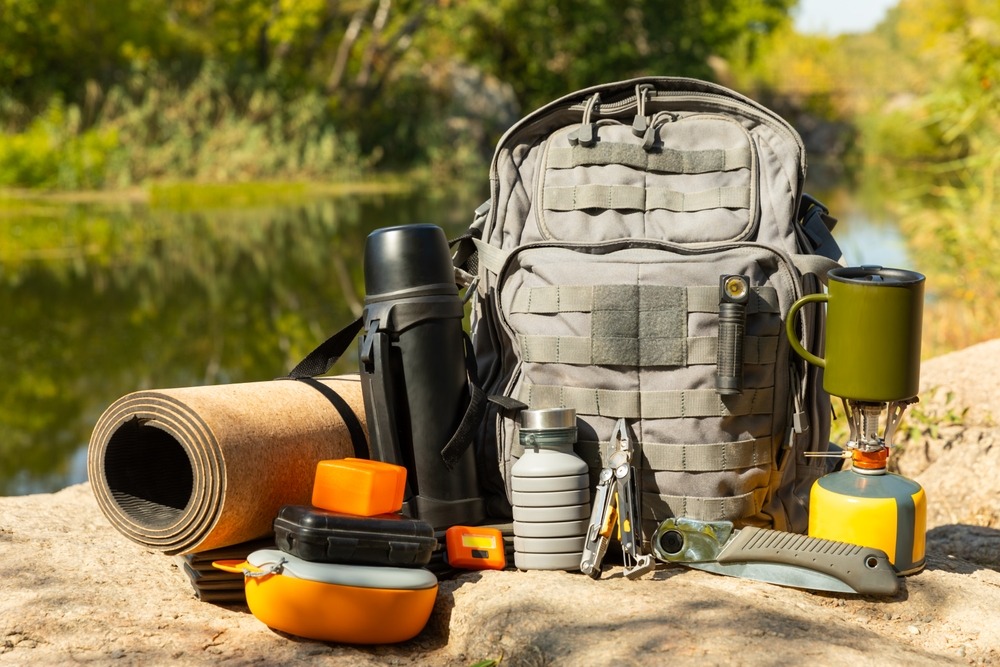
In your backpack, slip in a first aid kit, a survival blanket, a headlamp, a whistle, and a charged communication device. Pack enough water and food to handle any delays. A liter and a half per person for a day hike is the minimum.
Behavior in the field
Once outside, stay on marked trails to avoid getting lost or entering dangerous areas. Improvised shortcuts are often traps.
Learn to identify the warning signs of danger : a stream changing color and flow, unusual cracking sounds from trees, rapid weather changes, animals acting abnormally. Nature speaks to you, you just need to listen.
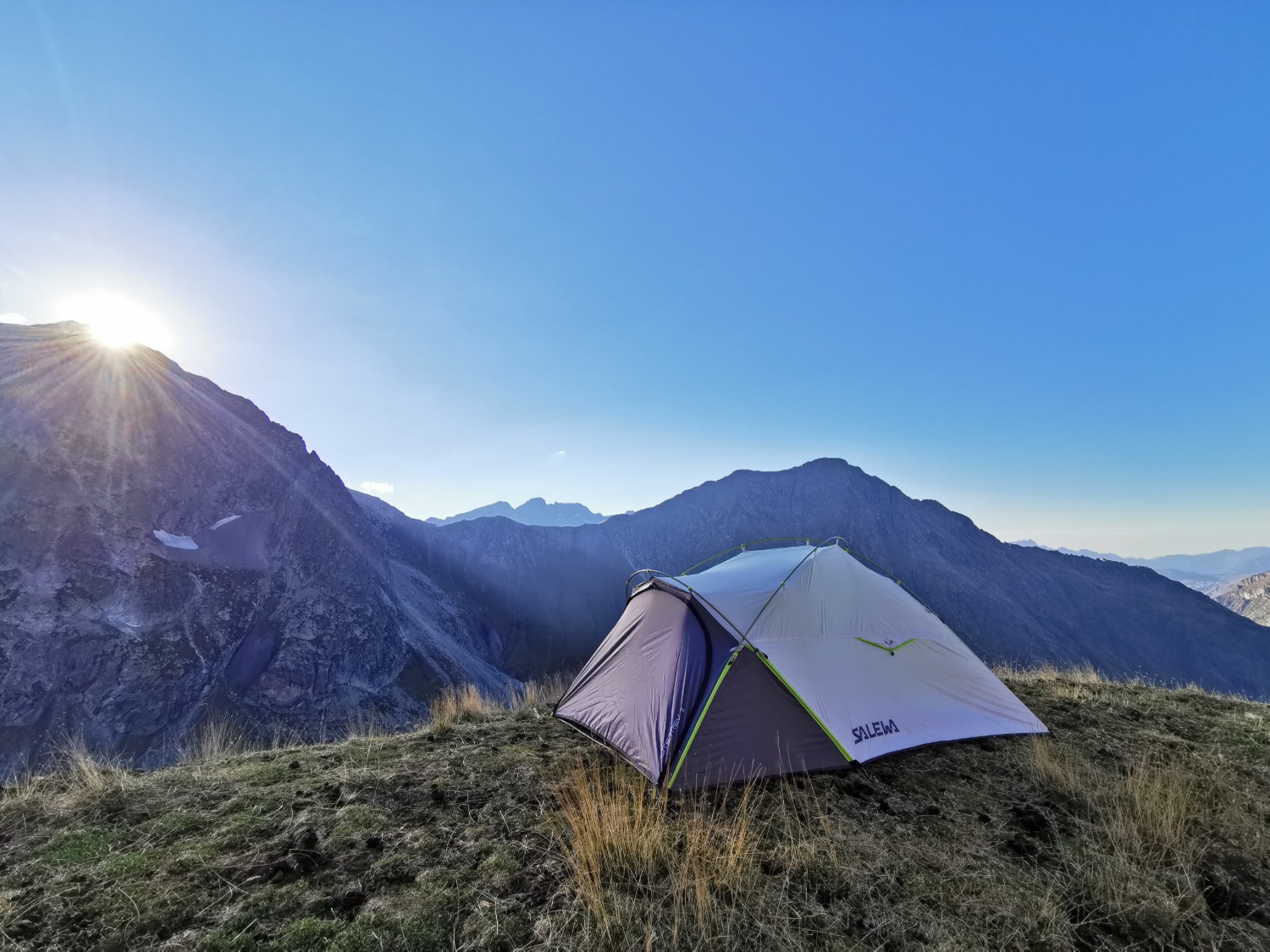
Avoid risk-prone areas : never camp in the bed of a dry river, don't settle under dead trees or unstable rock walls, stay away from ridges when a storm threatens. And above all, don't be afraid to turn back if conditions become dangerous.
FAQ
What are the most likely dangers you might face during a hike?
Storms, dehydration, falls, hypothermia, sudden floods, and disorientation are the most common risks while hiking.
What should you do in case of a storm in the mountains?
Immediately leave summits, ridges, and exposed terrain, then seek safe shelter. A stone hut can offer protection, provided you don't touch the walls unless it's equipped with a lightning rod. A high ledge or the entrance to a small cave may work, as long as you stay crouched, away from walls, wet ground, and the ceiling.
If there's no shelter, move away from isolated trees, water, and metal objects. Adopt a compact position: crouching, feet together, legs folded beneath you, to reduce the potential difference at ground level and limit the risks related to step voltage.
What are the safety rules for hiking?
Check the weather, inform a contact of your itinerary, stay on marked trails, bring water and appropriate equipment, and turn back if necessary.
How do you avoid forest fire risks?
Never light a fire during dry or hot periods, don't litter, respect access bans to forest areas, and report any suspicious smoke.
How much water should you bring on a hike?
Plan for at least a liter and a half per person for a day, more in summer or in the mountains where exertion and altitude increase hydration needs.