Bivouac & Nights in the Wild
Regulations, site selection, water management, and gear: everything you need to know to bivouac responsibly and peacefully in France.
Why bivouac? The call of the night in nature
There is something irreplaceable about falling asleep beneath the stars, cradled by the wind in the pines or the murmur of a stream. A bivouac is adventure in its purest form: slowing down, observing, inhabiting a place for a single night. But this precious freedom comes with responsibilities. In France, rules vary by territory, and best practices make all the difference between an unforgettable night and lasting impact on fragile ecosystems. Here are the essential guidelines to help you go with confidence.
Regulations: what you need to know before pitching your tent
In France, bivouacking is not universally permitted. There is no single rule: each space manages its policy according to its ecological sensitivity and local priorities. Before any outing, you must check with the manager of the territory in question.
- Outside protected areas, bivouacking is generally tolerated on public land, provided you do not set up on private property without permission and leave no trace when you depart.
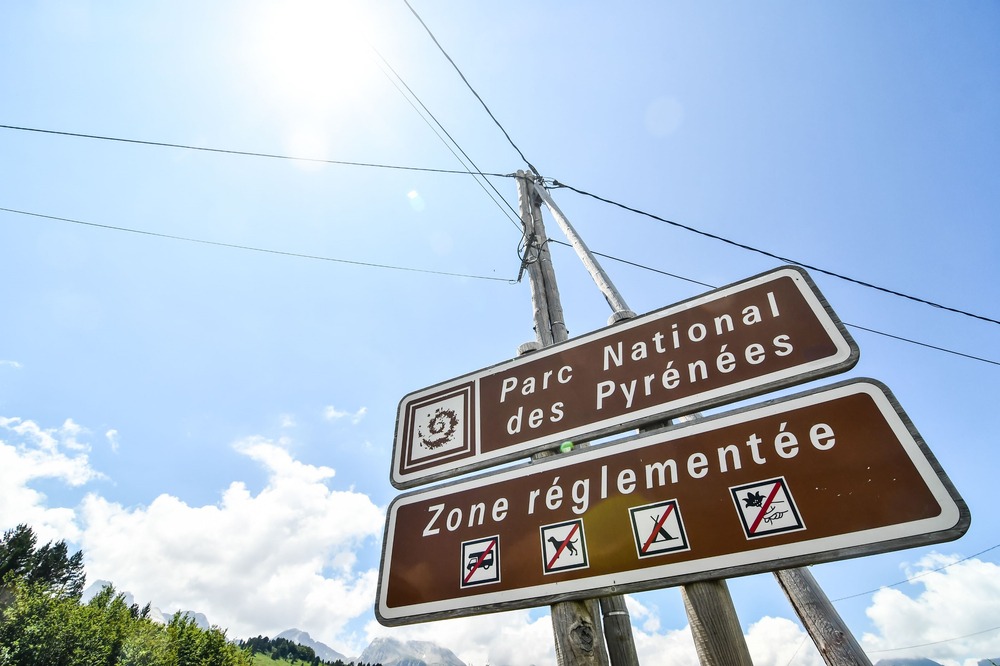
- In National Parks, rules differ by zone. In core areas, bivouacking is often regulated or subject to strict conditions (limited duration, distance from waterways, authorized sites). Always consult the park's official website before heading out.
- In Regional Natural Parks, rules are generally less restrictive, but vary from park to park.
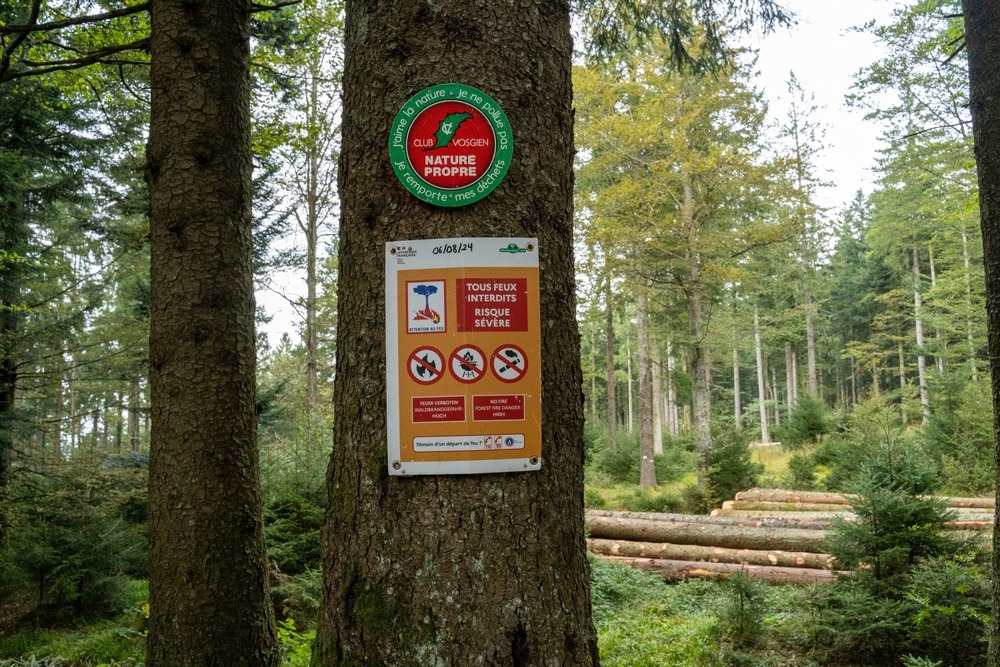
- In state forests, bivouacking requires permission from the National Forest Office (ONF). During periods of high fire risk, prefectoral orders may prohibit any camping.
- On the coast and in mountains, certain areas have specific protections. Check with town halls, tourist offices, or local park rangers.
When in doubt, the golden rule: ask first. A phone call to the town hall or local manager usually clarifies the situation and shows your respect for the territory.
Choosing your site: the principle of least impact
A good bivouac site is one you leave without it ever appearing occupied. A few simple principles to achieve this:
- Favor mineral or grassy surfaces already compacted: rocks, wide trails, trampled ground. Avoid setting up on fragile vegetation, wetlands, or stream banks.
- Respect distances: set up at least one hundred meters from any water source to preserve the wildlife that drinks there and prevent contamination.
- Stay discreet: choose a site that is not visible from trails. This protects your peace and that of other visitors.
- Limit duration: one night at the same site allows vegetation to recover far more easily than a prolonged stay.
Water management and hygiene while bivouacking
Managing human waste is one of the most important aspects of responsible bivouacking. For natural needs, move at least fifty meters away from any water source, trail, or camp. Dig a small hole about ten centimeters deep in the soil's organic layer, and fill it carefully. Toilet paper should always be packed away in a sealed bag — or better yet, use natural alternatives (wide non-irritating leaves, smooth stones) and leave nothing behind.
For drinking water, filter or treat water collected from nature systematically, even if it appears clear. A portable water filter, purification tablets, or UV sterilization solution will eliminate the vast majority of microbiological risks.
Fire: caution above all
In bivouacking, fire is often unnecessary and always risky. In France, it is prohibited or strongly discouraged in nearly all natural areas, particularly during summer months. A compact gas stove is far more practical, safer, and far less impactful. If a fire is absolutely necessary in an appropriate and authorized context, use only an existing fire pit, collect only dead wood from the ground, and extinguish it completely with water before sleep.
Gear: tent, hammock, or ultralight bivouac?
The choice depends on terrain, season, and your experience:
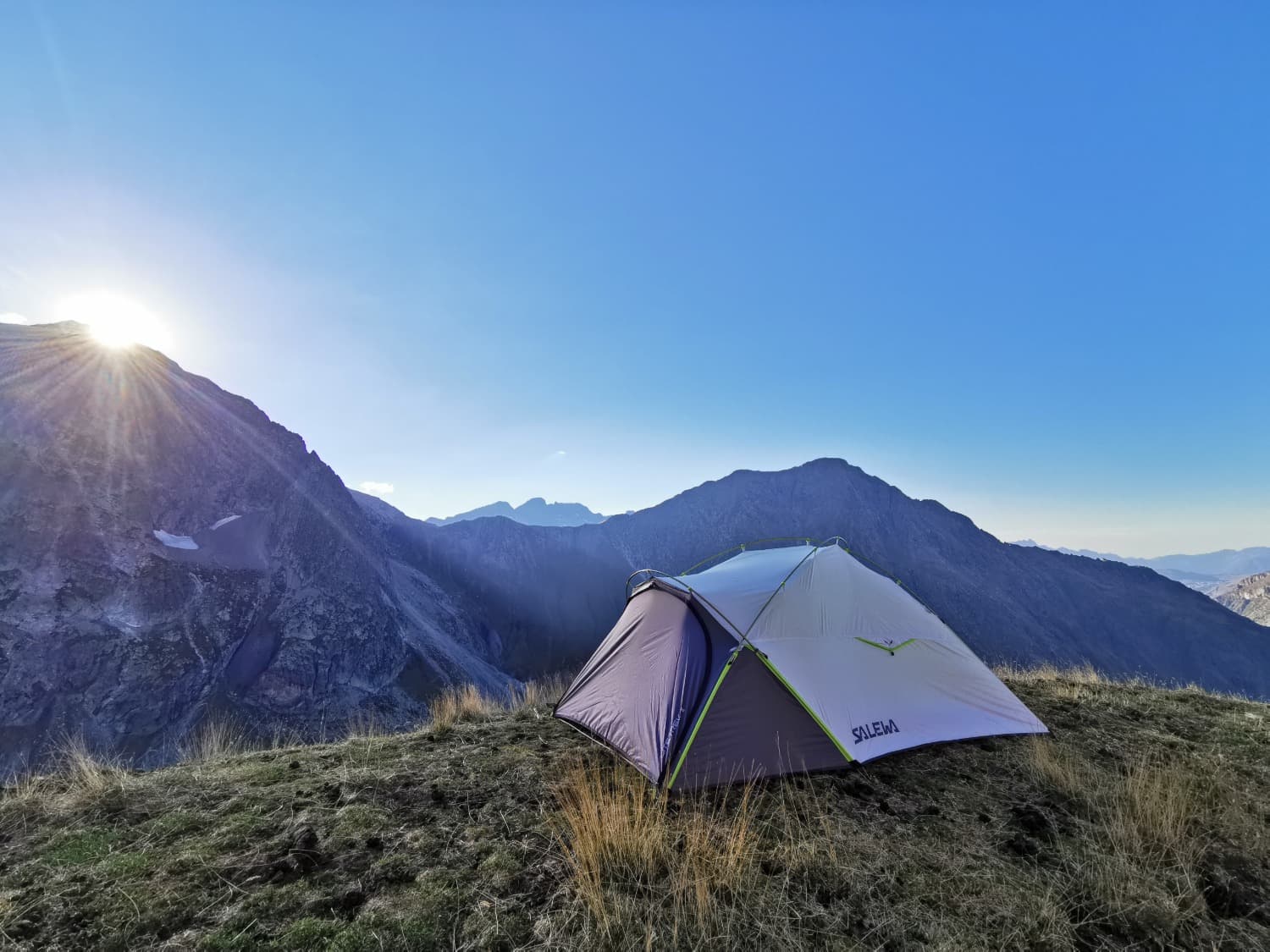
- The tent remains the most versatile solution, effective against wind, rain, and insects. Choose a lightweight double-wall model for managed condensation.
- The hammock is ideal in forests, provided you have healthy trees at good distance. Use wide straps to avoid damaging bark.
- Ultralight bivouacking (sleeping bag + tarp or bivy bag) suits dry, summer conditions. Minimalist and quick to set up, it requires accurate weather reading.
Whatever your choice, always pack an extra layer: nights at altitude or in forests can surprise you even in summer.
The spirit of responsible bivouacking
Sleeping in nature means being a guest in a territory that belongs to everyone—and to no one. Leave no trace as you depart: no campfires, no trash, not even marks of your passage. Only then does bivouacking remain a sustainable practice, accessible to the generations that follow. Good night under the stars.