10 Golden Rules to Respect in Protected Areas
Let's be honest, the call of the wild has never been more compelling. Whether escaping the urban hustle or simply reconnecting with what matters, more and more of us are lacing up our boots to explore the trails of France. But be warned—nature is not simply a postcard backdrop laid out for our viewing pleasure. It is a living, autonomous ecosystem where we are merely guests.
Let's be honest, the call of the wild has never been more compelling. Whether escaping the urban hustle or simply reconnecting with what matters, more and more of us are lacing up our boots to explore the trails of France. But be warned—nature is not simply a postcard backdrop laid out for our viewing pleasure. It is a living, autonomous ecosystem where we are merely guests.
For our getaways to remain a joy rather than a nightmare for wildlife, certain ground rules apply. Don't worry—this isn't the penal code, but rather common sense. Here's how to enjoy open spaces in "zero trace" mode.
1. Stay on marked trails
You spot that tempting shortcut cutting across the switchback? Or that incredible photo spot in the middle of an alpine meadow? It's tempting, we know. But forget about it. The famous "straight across" approach through fields is nature's sworn enemy.
Repeated trampling destroys vegetation cover, compacts soil, and accelerates erosion. It can take years for vegetation to recover in a damaged zone. Think of the marked trail as a red carpet—stepping off it is like walking through your host's white living room with muddy boots. That's simply not done.
2. Leave nature in place (hands off!)
We come face-to-face with a rare flower, and our first instinct is often to pick it. Bad idea. In protected areas, picking is often strictly forbidden. These plants are the pantry for pollinators and herbivores.
The golden rule? Look with your eyes, capture with your camera, and leave the memory behind. It's the only way to ensure that the next hiker can marvel at that same flower.
And this goes for anything that doesn't move (or moves slowly)! That perfectly round pebble or that fossil telling Earth's story has no business becoming a paperweight on your desk. Each stone removed contributes to erosion and deprives the soil of precious shelter for insects and microorganisms.
3. Manage your waste carefully
The trick of hiding a tissue under a rock or tossing a banana peel into the bushes telling yourself "it's biodegradable" is a myth we need to debunk urgently. At high altitude, for example, an orange peel can take two years to decompose! Meanwhile, it pollutes visually and alters the diet of wild animals.
As for plastic packaging, it's zero tolerance. The solution is simple: always bring a small trash bag and carry all your waste back down. The best trash is the kind that ends up in your home's rubbish bin, not in a marmot's burrow.
4. Keep dogs on a leash
Your dog might be the friendliest pup in the world, but to a herd of chamois, it's a predator. Full stop. Its mere scent is enough to create intense stress in wildlife, forcing them to flee and waste vital energy.
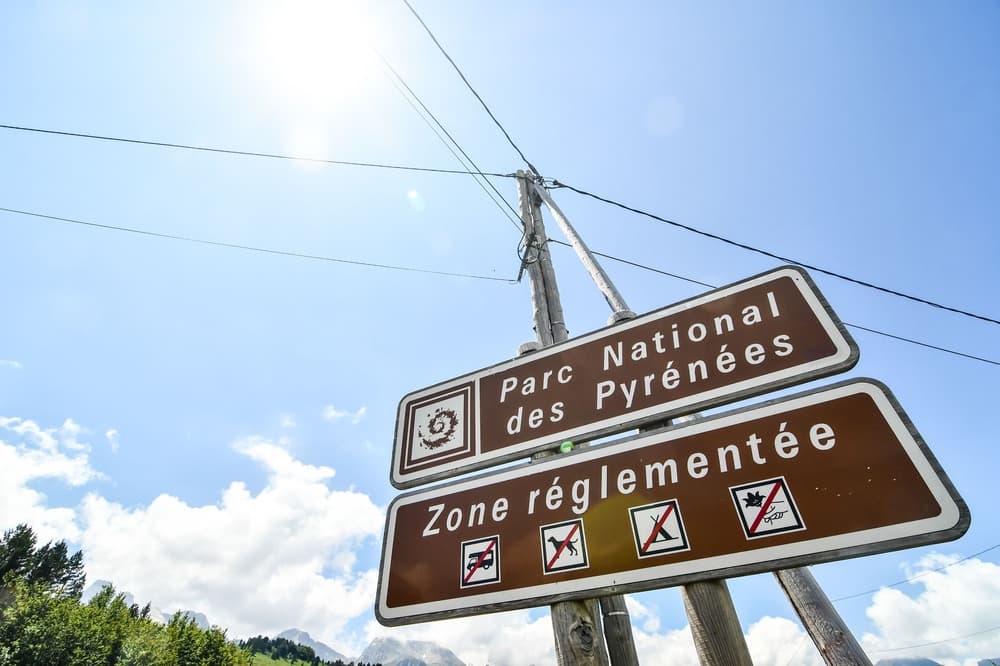
In the heart of National Parks, our four-legged companions are often prohibited to prevent parasite exchange. If they're allowed, keeping them on a leash is non-negotiable to prevent hunting instincts from kicking in.
5. Don't make too much noise
The mountains are neither a nightclub nor a football stadium. Leave your speaker at home; wildlife appreciates quiet.
Anthropogenic noise—that caused by humans—is a major source of disturbance. It prevents animals from hearing each other to alert of danger or locate prey. Adopting a "stealthy" mode will also give you far better chances of observing wildlife. Silence is golden; make the most of it.
6. Don't make fires
The image of a campfire under the stars is romantic, but it's a potential disaster for our dry forests. The fire risk is real, and beyond that, making a fire on the ground permanently sterilizes the earth, killing all microfauna.
In protected areas, fires are almost always prohibited. Favor a gas stove instead: it's faster, cleaner, and leaves no permanent black mark on the landscape.
7. Respect bivouac zones
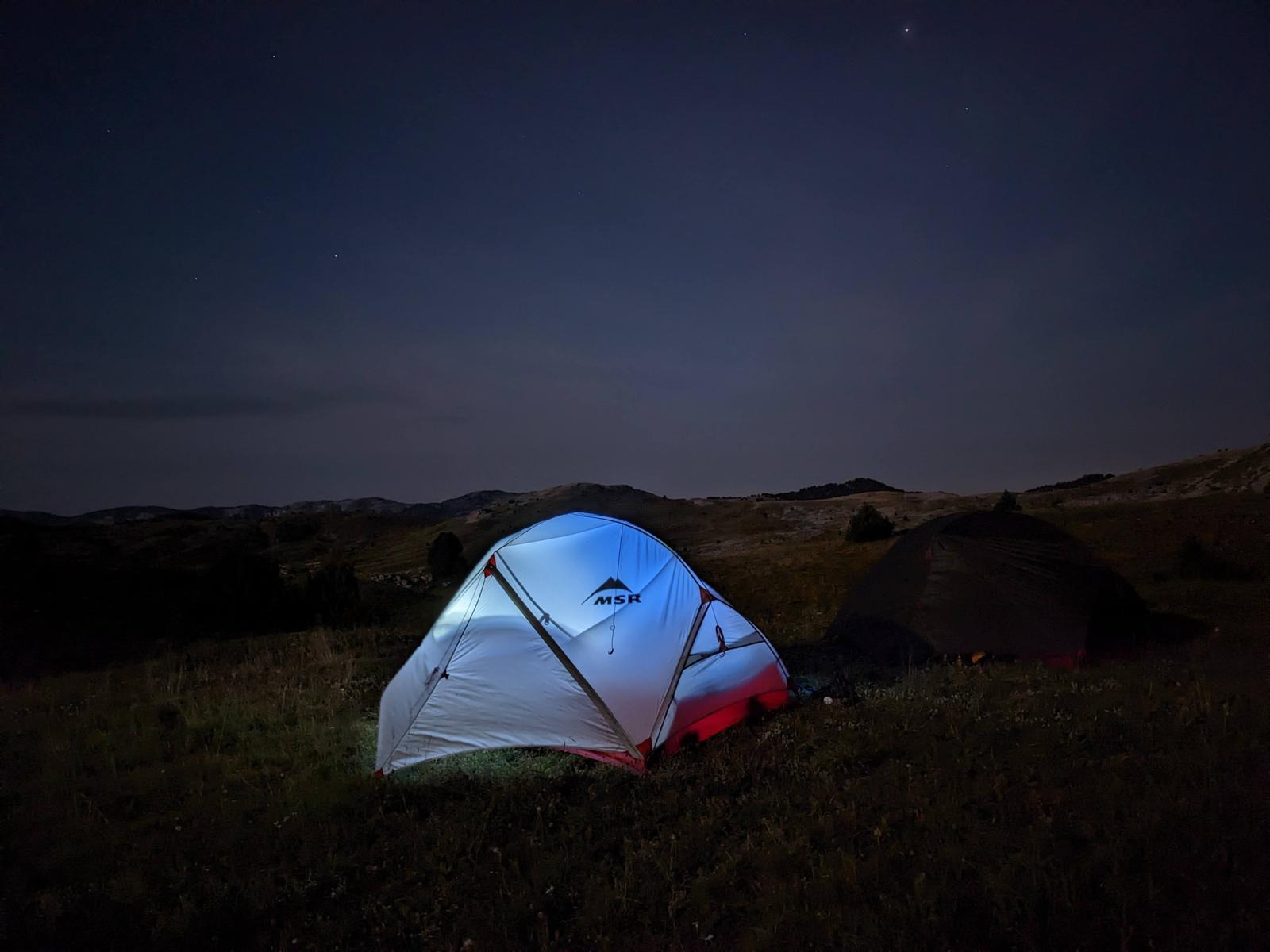
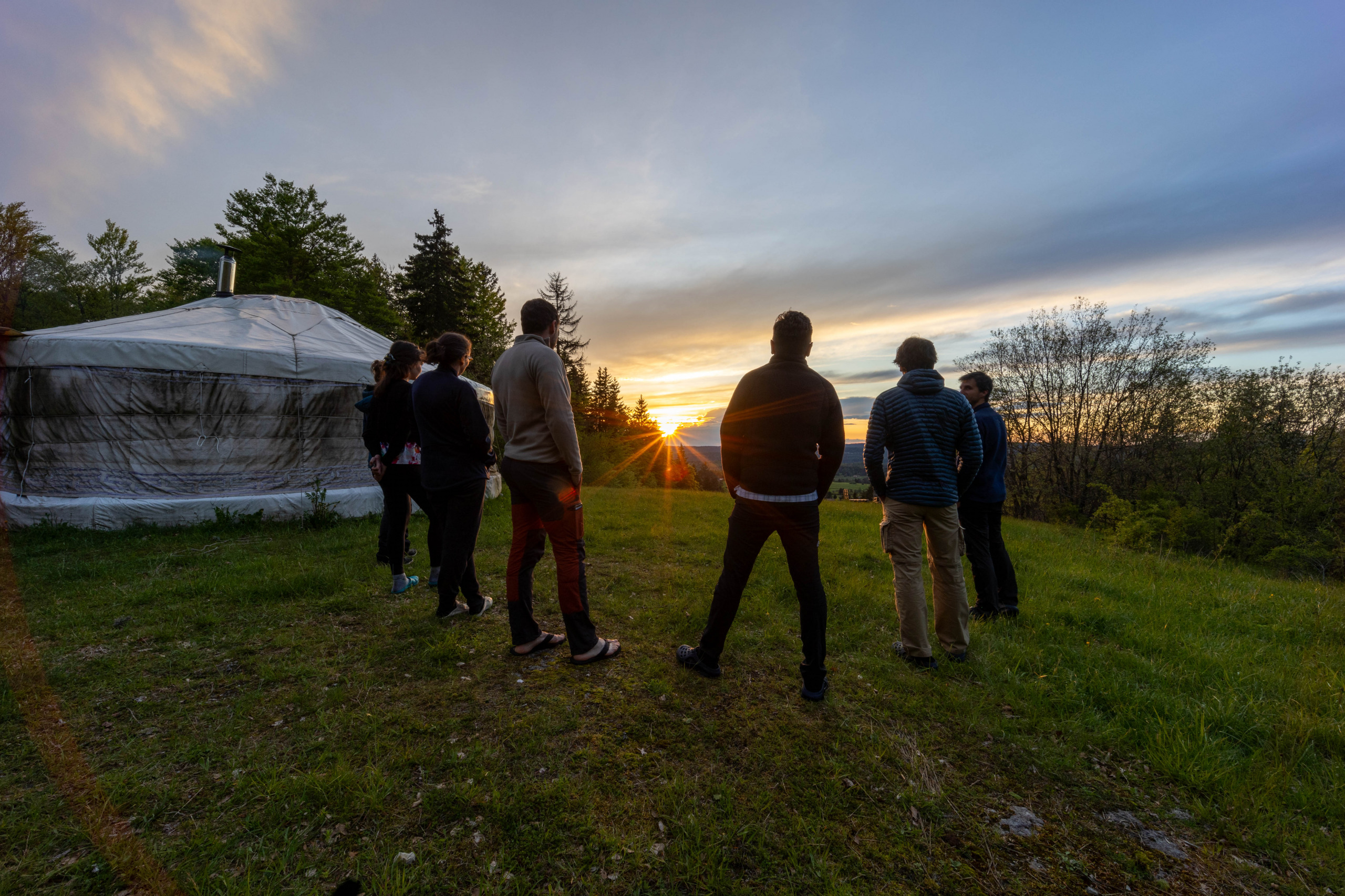
Bivouacking is adventure. But bivouacking doesn't mean camping anywhere you please. In most parks, bivouacking is tolerated under specific rules: a small lightweight tent, set up at sunset and taken down at sunrise.
The idea is not to settle in, but to take a restorative break. Always check the specific regulations of the area you're traversing: pitching a tent in a biotope protection zone can be costly.
8. Avoid quiet zones
You'll sometimes see hatched areas on your maps labeled "Quiet Zone." These aren't suggestions—they're sanctuaries. In winter, for example, Black Grouse burrow under the snow to survive. If a hiker startles one, the bird flees in panic, burning its last reserves, which can be fatal.
These zones guarantee species survival during critical periods (overwintering, breeding). Detouring around them is minimal effort for massive impact.
9. Practice sports responsibly
Mountain biking, climbing, canyoning... Nature sports must be practiced with respect for the environment. Climbers must check raptor nesting periods, as many routes close to allow falcons to raise their young. For mountain bikers, cutting corners increases erosion. Adrenaline is great, but not at the expense of those who live there year-round.
10. Respect aquatic environments
Seas, lakes, estuaries, or wetlands... These ecosystems harbor incredible but extremely vulnerable biodiversity against our activity. Whether you're sailing, paddleboarding, or kayaking, responsible navigation is imperative to avoid turning this silent world into a nightmare.
As for anchoring—please spare the seagrass! Favor sandy areas or ecological moorings, and always pull your anchor straight up without dragging the bottom. Near coasts and breeding zones, throttle back: speed stresses wildlife.
Finally, water is not a magic garbage disposal: zero discharge (wastewater, fuel, plastic), and if you spot floating trash, be a hero and fish it out.
The ultimate commandment: every spot has its law
These ten rules form the foundation of good conduct in protected natural areas. However, they're only the baseline. Each National Park, Nature Reserve, or Regional Reserve has its own specifics and regulations. Before venturing onto a territory, always take time to consult local guidelines. Adventure is prepared in advance, particularly by ensuring that your explorer's ethics perfectly align with the protection of the place you're about to discover.