Safety in Nature - Your Guide to Carefree Outdoor Adventures
Hiking or camping in the wilderness sounds like a dream. But between the desire for escape and the reality of the terrain, there are a few precautions to take. Nothing to spoil your pleasure, just ways to optimize it! Here's everything you need to know to transform your getaways into unforgettable moments.
Heading out on a hike or camping in the wild is pure magic. But between the allure of escape and the reality on the ground, there are some precautions worth taking. Nothing to dampen your spirits, just ways to make them shine even brighter! Here's everything you need to know to turn your outdoor adventures into unforgettable moments, without unwelcome surprises.
1. Study Your Route
Before lacing up your boots, take time to review your route carefully. The total duration of your outing, the type of path you'll be taking, and information available from your local town hall or tourism office are all elements that will save you from nasty surprises. An IGN map in your pack and a quick check of Google Maps to spot tricky sections—that's the foundation.
Once you're out there, resist the temptation to take shortcuts: always stick to marked trails. These paths exist for a reason: they're safe, well-maintained, and they keep you from getting lost or stumbling into genuine danger.
2. Check the Weather
Rain, fog, or thunderstorms can put you in real jeopardy, as they create slippery paths and drastically reduce visibility. Check the forecast the evening before and the morning of your departure. If conditions look unfavorable, postpone your outing. Disappointment is better than unnecessary risk. And even if the sky is crystal clear when you set off, mountains and forests can surprise you. Keep an eye on the weather as it evolves throughout your hike.
3. Choose Your Gear Thoughtfully
Wear shoes appropriate for your hike and absolutely avoid brand-new pairs. Nothing worse than blisters after two hours of walking to
turn a beautiful day into an ordeal. Trekking poles aren't essential everywhere, but on terrain with elevation changes, they become your best friends.
4. Dress Intelligently
Whatever the season, opt for full coverage: the combination of long pants and long sleeves is essential. Your clothing is your first defense against insect bites, scratches, and sunburn. Wasp and bee stings, plus tick bites, are common in summer, so don't skimp on coverage.
Also bring a warm change of clothes. Weather can shift quickly and you might need to warm up. A packable waterproof jacket is your ultimate protection. It acts as an essential barrier to keep you from getting soaked, which is the primary cause of mild hypothermia. It's your guarantee of staying dry and warm, even during a sudden downpour or high humidity.
5. Protect Your Head from the Sun
Sunstroke is insidious and strikes without warning. Its symptoms (headaches, nausea, fatigue) can ruin your day. The solution is simple: make sure to wear a cap or hat that effectively covers your head, including the back of your neck, an especially vulnerable area.
And if you do start feeling the first signs, find some shade, drink plenty of water, and eat something. Your body needs to recover before you continue.
6. Stay Hydrated and Well-Fed
Never underestimate hydration: drink before you feel thirsty. Dehydration creeps up gradually, and by the time you feel thirsty, your body has already lost significant water. Carry enough water. This is non-negotiable.
As for food, pack energy-boosting snacks like dried fruit, granola bars, or nuts. Your body burns plenty of calories during exertion, and these little treats will keep your energy levels steady until the end.
7. Anticipate the Unexpected
Preparing for the unexpected is entirely possible. Planning a three-hour hike? Slip a flashlight into your pack. Is the sky clear? Take a rain jacket anyway. You never know what might happen: an unexpected detour, an injury that slows your pace, a sudden weather change.
This is also why it's important to share your route with someone you trust before you leave, especially for longer or remote outings. Tell them where you're going and what time you expect to return. This precaution ensures rescuers know where to look if you don't come back as planned.
8. Be Wary of Local Wildlife
Keep your distance from all wild animals. To avoid attracting them, keep your provisions sealed and odorless: use airtight bags or hang your food high.
To protect yourself from ticks and vipers, it's recommended to wear long pants and high-top shoes. Also avoid tall grass, as it's the perfect refuge for these creatures. As for mosquitoes, a simple insect repellent will do the trick.
Finally, with wasps and hornets, always check sugary foods and drinks before consuming them, as these insects are particularly fond of them.
9. Know How to Read a Map and Use a Compass
All-digital navigation has its limits. Between the risk of breaking your phone and the frequent lack of signal in nature, your smartphone shouldn't be your only tool. Knowing how to navigate with a paper map and compass remains a fundamental skill for any hiker. Identify reference points along your route and check your position regularly.
If you do get lost despite these precautions, stay calm. Try to backtrack to a spot you recognize. And above all, never leave marked trails to attempt risky shortcuts.
10. Don't Forget Your First Aid Kit
A first aid kit should contain bandages, gauze pads, disinfectant, elastic bandages, scissors, a tick remover, blister pads, and medications. You can add saline solution and an emergency blanket for critical situations.
This kit is your all-purpose insurance. It doesn't take up much space but can make all the difference if something goes wrong. Check expiration dates regularly and replace anything that's expired.
FAQ
Can you walk in the forest during hunting season?
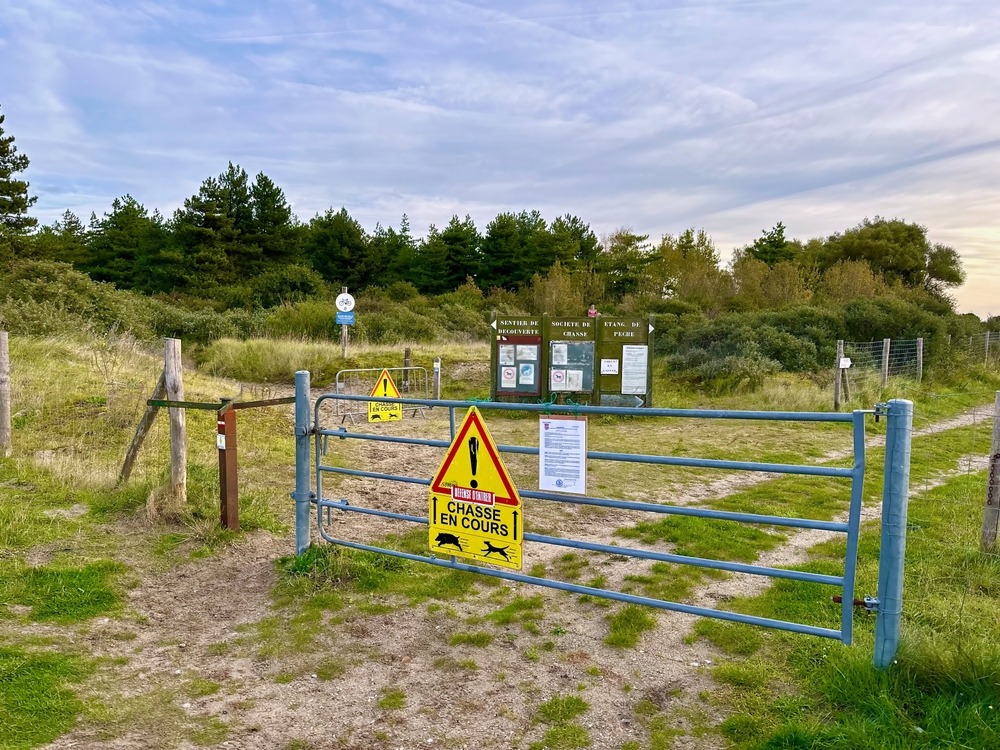
Yes, but you must stay vigilant. Find out when hunting season is, wear highly visible fluorescent clothing, and never leave the main marked trails.
Can I bring my dog on a hike?
Often yes, but keep them on a leash to respect wildlife and other visitors. Be aware that dogs are strictly prohibited in certain national parks and nature reserves.
What should I do with my trash in nature?
Adopt the leave no trace principle. Bring a garbage bag and take absolutely everything with you, including toilet paper and biodegradable organic waste.
Is it safe to drink water from streams?
No, clear water can contain invisible bacteria or parasites. Always use purification tablets or a filter water bottle before drinking water found in nature.
Is it legal to make a campfire?
It's generally prohibited and very dangerous, especially in summer. Use a small stable gas stove instead and set up in an open area to avoid any fire risk.
What emergency number should I call without cell service?
Dial 112, the European emergency number. It often works even if your provider has no signal, using relays from other available networks.