Ardèche
Gorges carved through limestone, extinct volcanoes, chestnut groves and perched medieval villages: Ardèche concentrates a rare diversity of landscapes and heritage within a single department in southeast France.
Ardèche is a department in southeast France, in the Auvergne-Rhône-Alpes region, bordered by the Loire, Haute-Loire, Gard, Vaucluse, Drôme and Lozère. Gorges carved through limestone, extinct volcanoes from the Massif Central, centuries-old chestnut groves and perched villages: the territory offers a rare diversity of landscapes for a single department. It is also a land of vineyards, goat cheeses and vibrant rural traditions.
Quick practical information
- Access: no high-speed rail station in the department; main entry points are Valence (Drôme, TGV) and Montélimar (Drôme, TGV), then by car or coach.
- Car essential: public transport network is very limited outside urban areas.
- Best time to visit: May-June and September-October to avoid summer crowds in the gorges.
- Recommended duration: 4 to 7 days to cover the gorges, volcanic plateau and valleys.
- What to wear: hiking boots essential on trails; canyoning or kayaking gear if doing water activities.
What you'll see
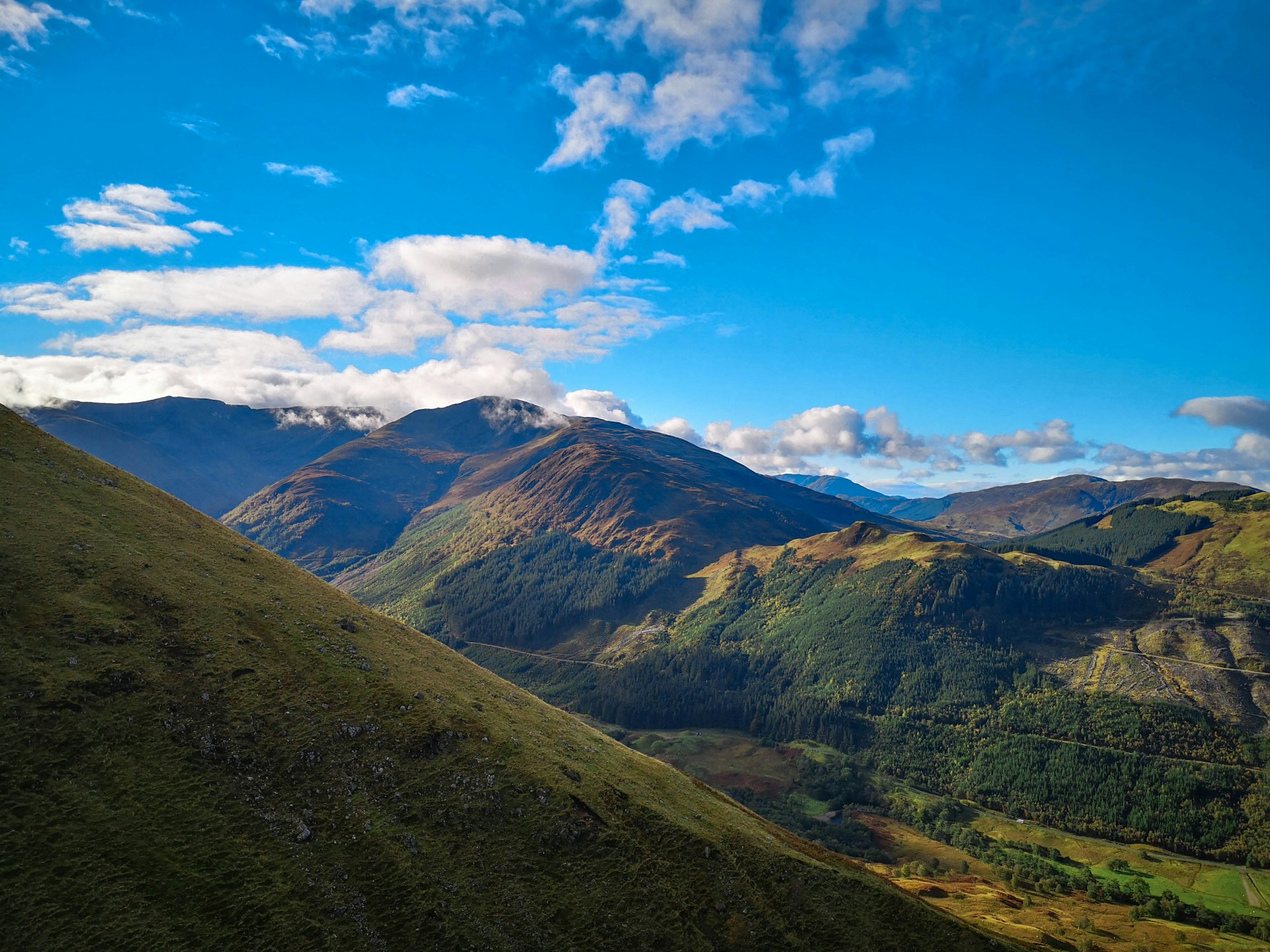
The department divides into distinct zones. In the south, the Gorges of Ardèche form a canyon nearly 30 km long carved through limestone, classified as a national nature reserve. In the centre and north, the Vivarais Massif and Ardèche Mountains reveal volcanic landscapes, peat bogs and beech forests. To the east, the Rhône valley concentrates vineyards (Saint-Joseph, Cornas, Saint-Péray) and market towns.
History and context
Inhabited since prehistory — the Chauvet Cave, whose paintings date to approximately 36,000 years ago, is listed as a UNESCO World Heritage site — the territory was shaped by the Wars of Religion (numerous Huguenot strongholds), the silk industry in the 18th-19th centuries and a rural economy based on the chestnut tree, nicknamed "the bread tree". Writer Jean Giono and naturalist Olivier de Serres are linked to this region.
Highlights of a visit
The Gorges of Ardèche
The scenic drive (D290) follows the canyon on the right bank with several viewpoints. Kayaking or canoeing between Vallon-Pont-d'Arc and Saint-Martin-d'Ardèche is the main summer activity. The Pont d'Arc, a natural limestone arch spanning the river, is the symbol of the department.
The Prehistory Museum and Chauvet Cave
The original cave is closed to the public to preserve the paintings. The Cavern of Pont d'Arc, a complete replica inaugurated in 2015 near Vallon-Pont-d'Arc, faithfully recreates the wall art. The guided tour lasts approximately 1 hour 30 minutes.
The Mézenc plateau and volcanoes
In the northwest, Mont Mézenc (1,753 m) offers a panorama of the Alps and the Massif Central on clear days. Phonolite lava flows have sculpted spectacular basalt columns, notably at Ray-Pic, a waterfall framed by basalt pillars.
Medieval villages
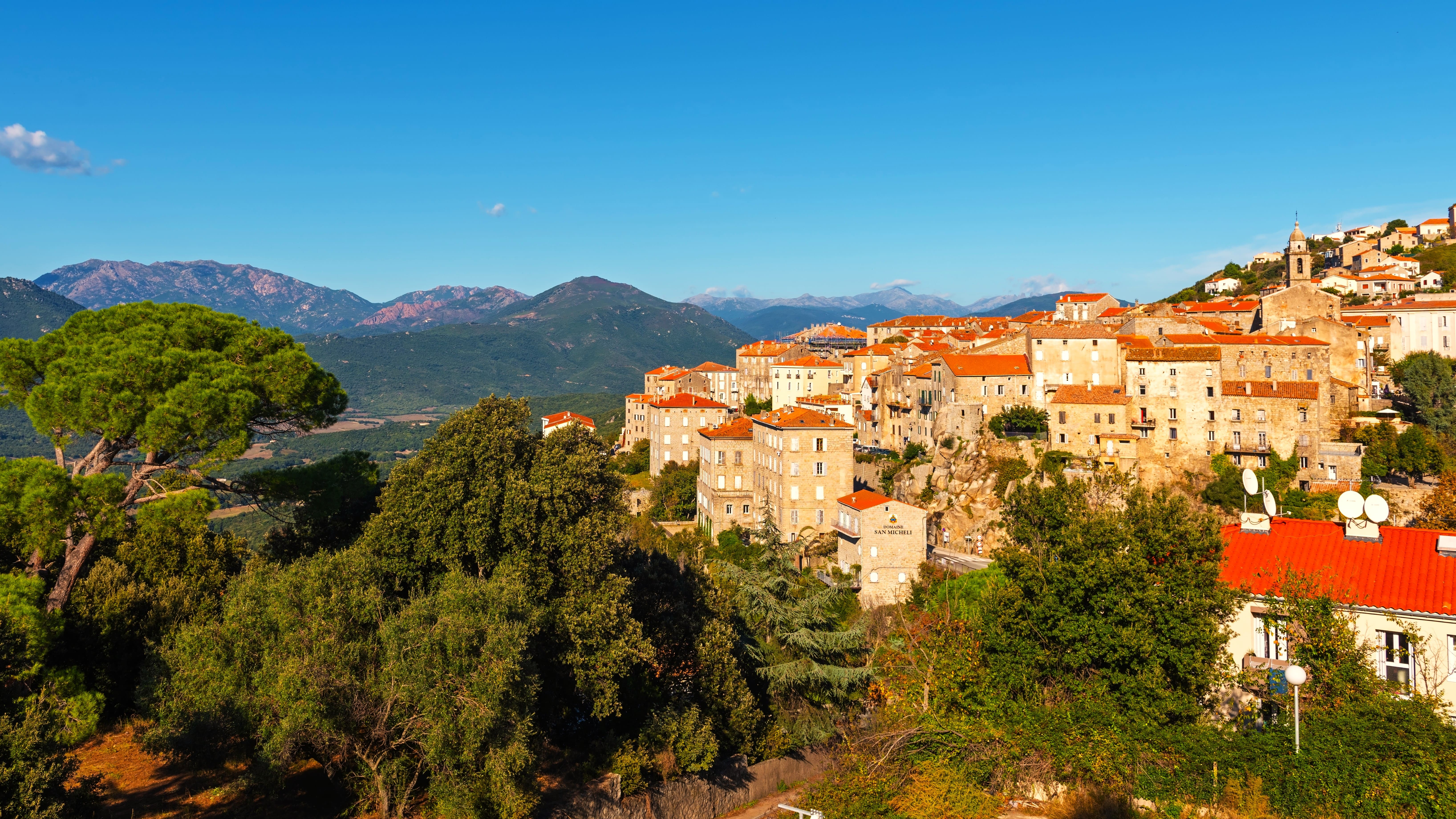
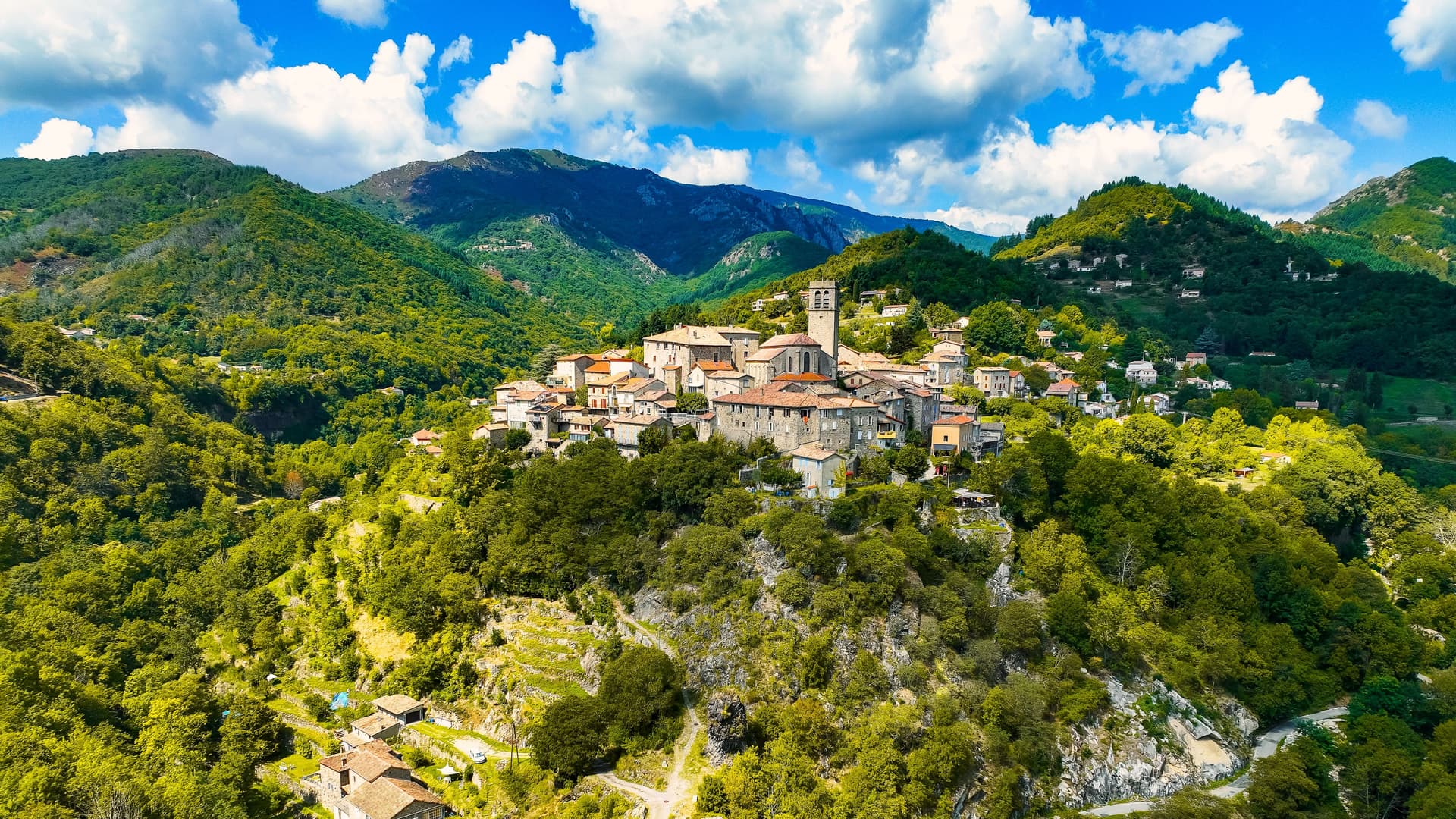
Balazuc, Vogüé and Labeaume are among the best-preserved hilltop villages. Their limestone streets, castles and views over the river make them essential stops in south Ardèche.
Wine route and gastronomy
The AOCs Saint-Joseph, Cornas and Saint-Péray line the right bank of the Rhône. Ardèche chestnut cream (IGP) and goat cheeses (picodon) are the signature products to take home.
Photography tips
The Madeleine viewpoint and Serre de Tourre viewpoint offer the most striking views of the gorge meanders. Golden light in late afternoon in September is ideal. For Pont d'Arc, arrive early in the morning in July-August to avoid crowds in the frame.
Location and access
Ardèche is accessible from Valence (TGV station, approximately 45 minutes by car to Aubenas) or from Montélimar (TGV station, quick access to the south of the department). The N102 crosses the department east to west. The gorges are reached from Vallon-Pont-d'Arc, approximately 80 km from Valence. The department is poorly suited for travel without a personal vehicle.
Nearby
- Pont d'Arc — natural limestone arch, symbol of the gorges, accessible on foot from Vallon campsite.
- Cavern of Pont d'Arc — replica of Chauvet Cave, guided tour mandatory, near Vallon-Pont-d'Arc.
- Gorges of Ardèche — national nature reserve, canoe descent or scenic drive.
- Mont Mézenc — highest point in the department, hiking and volcanic views.
- Balazuc — medieval village listed among France's most beautiful villages, above the Ardèche river.
- Vogüé — hilltop village with medieval castle overlooking the river.
Frequently asked questions
May-June and September-October offer a good balance: pleasant temperatures, navigable river and fewer visitors in the gorges. July-August is peak tourist season, with very busy gorges.
With difficulty. A coach network exists but remains limited. Renting a car from Valence or Montélimar is strongly recommended to access the gorges, villages and volcanic sites.
No. The original cave is closed to preserve the paintings that are 36,000 years old. The Cavern of Pont d'Arc, a complete replica located near Vallon-Pont-d'Arc, welcomes visitors with mandatory guided tour.
The full descent between Vallon-Pont-d'Arc and Saint-Martin-d'Ardèche is typically done in two days with overnight on authorised beaches. A partial one-day descent is also possible.
Ardèche chestnut cream (IGP), glazed chestnuts, picodon (AOC goat cheese) and wines from the Cornas or Saint-Joseph AOCs are the most representative specialities.
Yes. The Madeleine viewpoint trail in the gorges, paths around Vogüé or walks on the Coiron plateau suit inexperienced walkers. The volcanic trails of Mézenc require more stamina.