Nature Accommodations: The Best Way to Experience the Outdoors
Spending a night in nature means recovering what often escapes us in daily life: silence, fresh air, forest fragrances, morning light. From minimalist bivouacking to treehouses suspended in the canopy, each nature accommodation offers a different way to inhabit the landscape.
Spending a night in nature means recovering what often escapes us in daily life: silence, fresh air, forest fragrances, morning light. From minimalist bivouacking to treehouses suspended in the canopy, each nature accommodation offers a different way to inhabit the landscape. Choosing the right one means deciding on the level of adventure, self-reliance and disconnection you wish to experience.
Accommodations for Sleeping in the Wild
Bivouacking (under canvas, self-sufficient)
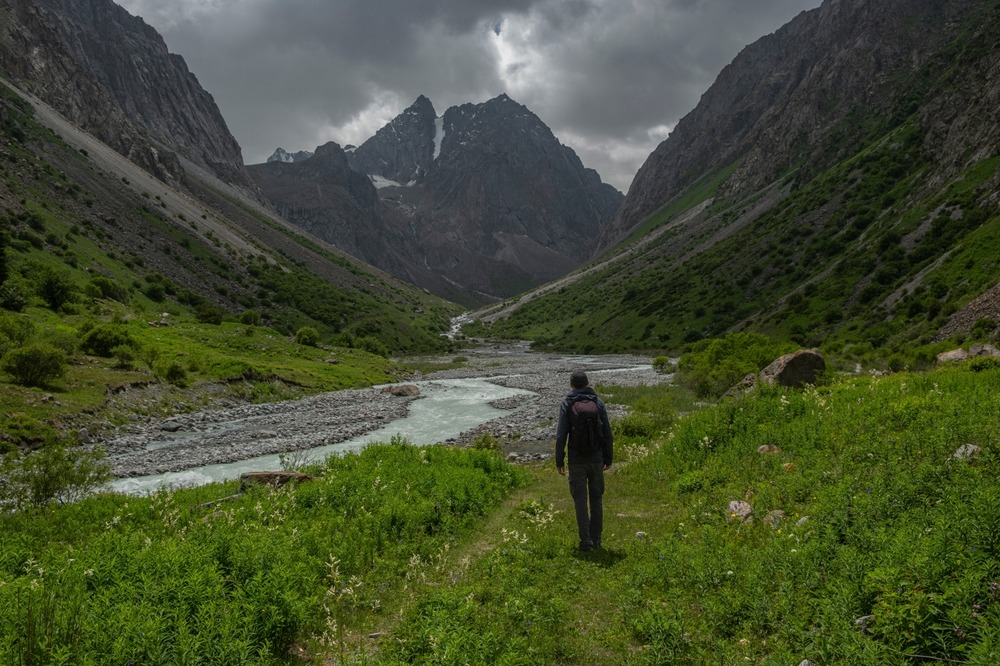
Bivouacking is freedom school, sleeping bag edition. You pitch your tent at sunset, fold it at dawn, and between the two, you sleep under the stars with only nocturnal creatures as neighbors. This ancestral practice involves setting up a temporary camp in high mountains or remote areas, generally between 7pm and 9am.
Your equipment must fit in your backpack: a lightweight tent, a compact sleeping pad, a sleeping bag suited to the temperatures, and something to stay hydrated. No campfire, no traces, just you and nature reclaiming its rights once you leave.
Bivouacking teaches happy simplicity and offers that rare sensation of total immersion in nature, where you feel you truly belong to the landscape. Be aware, though, that some national parks and nature reserves strictly regulate the practice.
Wild Camping (in authorized areas)
Unlike bivouacking, which is practiced while on the move, wild camping allows you to set up your camp for several days in the same spot. We're no longer talking about a temporary overnight shelter but a real installation with folding chairs, camp stove and sometimes even a hammock strung between two trees.
In France, wild camping is prohibited in many sensitive areas such as coastlines, protected sites, nature reserves and certain national parks. A few exceptions exist, notably in some parks where bivouacking is tolerated under strict conditions.
Mountain Refuges
Mountain refuges are those small buildings clinging to mountain slopes that rescue weary hikers. Whether staffed or unstaffed, they offer a dormitory bed, sometimes a hot meal, and always that particular atmosphere where exhaustion from effort mingles with the euphoria of altitude.
In a staffed refuge, you'll find a keeper who prepares hearty meals to replenish your energy reserves. Unstaffed refuges operate on trust: you settle in, leave a contribution in the provided box and depart having left everything in order. Sleeping in a refuge means falling asleep at 2,500 meters altitude and sharing authentic moments with fellow mountain enthusiasts.
Nature Accommodations Offering Comfortable Stays
Camping
Traditional camping remains a reliable option for those wanting to combine minimal comfort with proximity to nature. Unlike wild camping, official sites offer sanitary facilities, sometimes electricity, and often direct access to hiking trails or rivers.
Today, many campsites are reinventing themselves, offering spacious pitches in the shade of trees, far from pavement and mobile homes. The setting, often well-preserved, allows you to fully enjoy the beauty of the surrounding landscape.
Treehouses
Who hasn't dreamed of sleeping in a treehouse? Treehouses have proliferated across forests and captivate children and adults alike.
These suspended dwellings come in countless versions: from simple wooden platforms with floor mattresses to design cabins equipped with proper beds. The best projects respect the trees that host them and blend harmoniously into their environment. When you wake, open your eyes facing the canopy, watch birds going about their business, and rediscover the forest from a completely new angle.
Eco-responsible Lodges and Isolated Tiny Houses
Eco-responsible lodges and tiny houses are having their moment with those seeking comfort and ecological conscience. These small dwellings, often built in
sustainable natural materials and equipped with composting toilets and solar panels, prove you can sleep in the middle of nowhere without ravaging the planet.
A tiny house is that ultra-functional miniature home that contains everything necessary in just a few square meters. Positioned in open countryside, by a lake or at the edge of woodland, they offer that rare luxury of isolation without sacrificing modern comfort. Lodges work on the same principle but in a more spacious version, sometimes with a wood-burning stove and panoramic bay windows.
Rural Accommodations in Great Spaces
Isolated Rural Cottages
Isolated rural cottages are restored old farms, refurbished shepherd houses or farmsteads lost in the middle of nowhere. No neighbors on the horizon, no busy roads, just the silence of deep countryside and perhaps the passage of a herd through the field next door.
These accommodations let you settle comfortably while living to the rhythm of the surrounding nature. Some cottages are situated in transhumance zones, near bird-watching sites or in the heart of preserved landscapes. They become genuine base camps for exploring a region in depth, far from conventional tourist circuits.
Yurts, Tipis and Traditional Dwellings
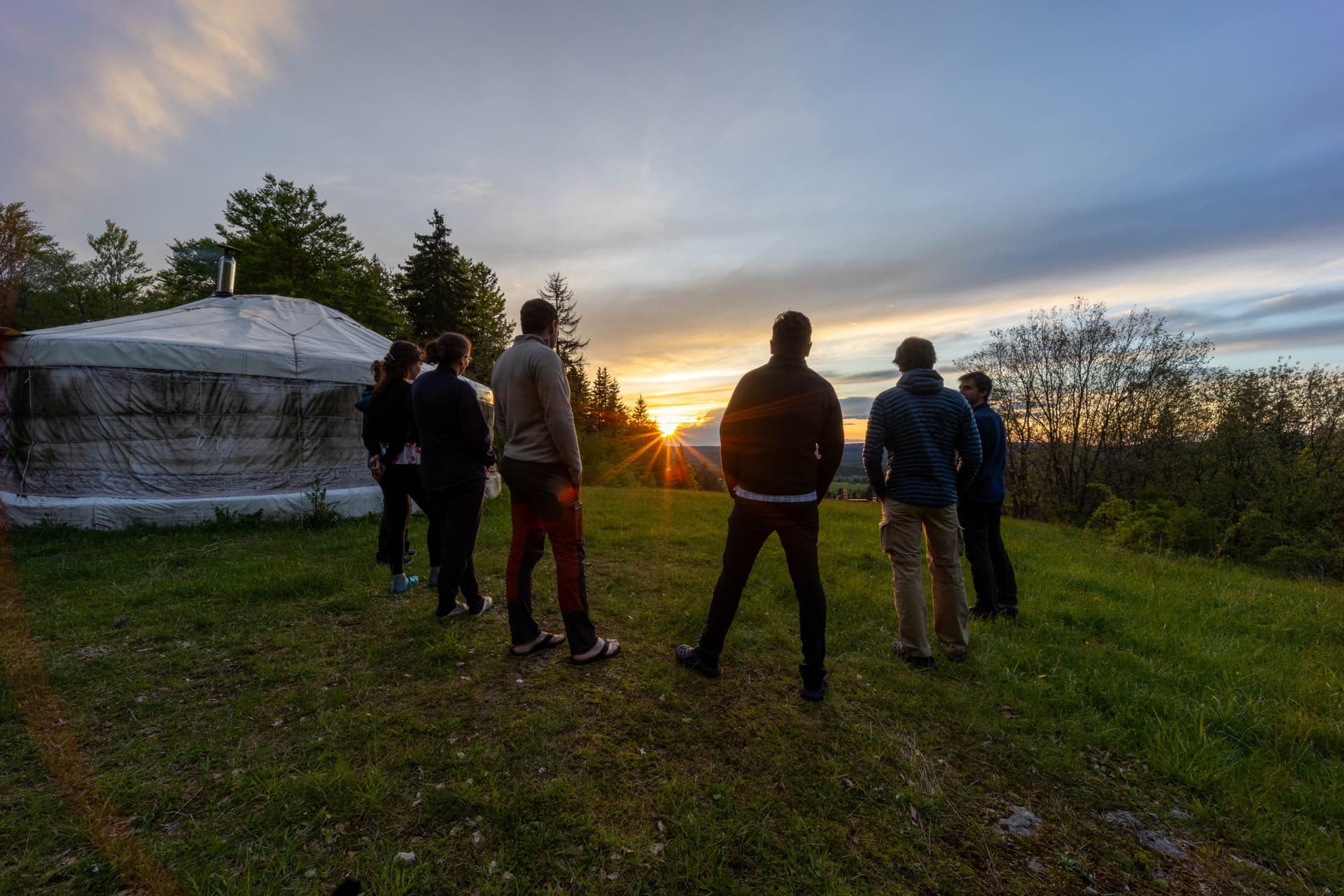
Sleeping in a Mongolian yurt pitched in the middle of a meadow or in a Native American tipi set up in a forest means experiencing a different relationship with space and time. These traditional dwellings from elsewhere have found their place in our countryside and appeal through their exotic yet deeply environmentally respectful character.
The yurt, with its circular wooden structure and insulating canvas, offers surprising volume. The central stove diffuses its warmth in winter while in summer, you can open the skylight at the top to observe the celestial vault from your bed. These accommodations attract those seeking an immersive experience, a stay that truly steps outside the ordinary.
FAQ
What are the unusual places to sleep in the wild?
You'll find transparent bubbles for sleeping under the stars, floating cabins on lakes, restored shepherd's caravans, or even old watchtowers transformed into lodgings. Some estates even offer sleeping in giant wine barrels or glass igloos in the mountains.
In which zoos can you sleep for a nature accommodation experience?
Several French wildlife parks offer unusual nights: the ZooParc de Beauval with its rooms overlooking the animals, or the Réserve Africaine de Sigean where you can sleep in a lodge amid savanna wildlife. These experiences allow you to observe animals at sunrise and sunset.
What's the difference between wild camping and bivouacking?
Bivouacking is a temporary one-night installation, generally in mountains, as part of a journey. You pitch your tent at dusk and dismantle it at dawn. Wild camping involves a more lasting installation over several days with more equipment.
Can you sleep in the forest?
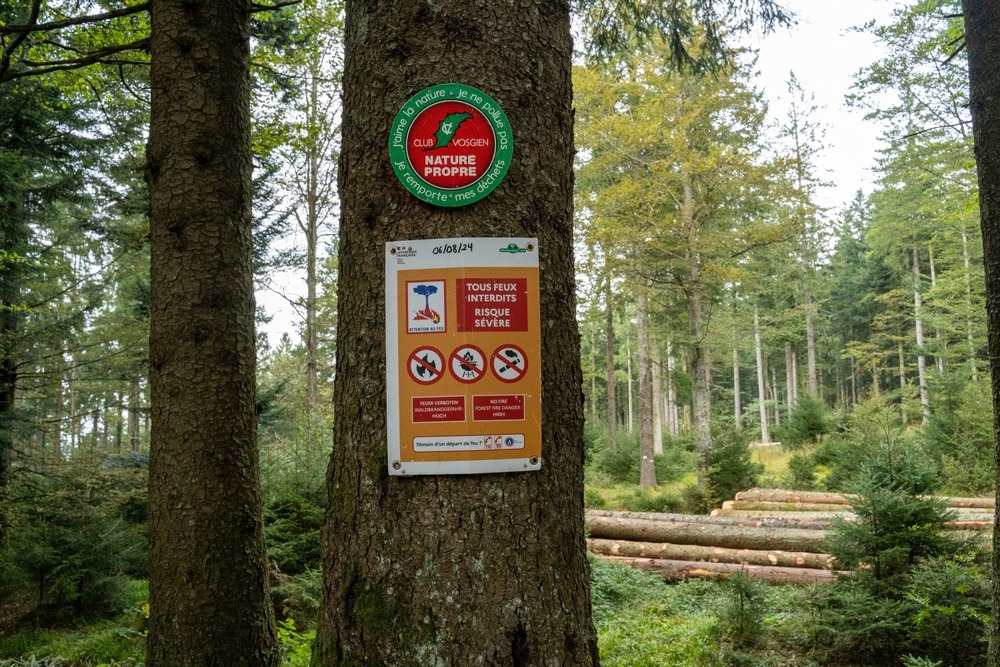
Yes, but French regulations are strict. One-night bivouacking is tolerated in mountains outside protected zones, between 7pm and 9am. In state forests, bivouacking is often tolerated for one night, without fire, in non-prohibited areas, but authorization from forest authorities may be necessary in certain specific cases.
Which accommodation should you choose for a low-carbon stay?
Those requiring little energy and resources: bivouacking, hiking camping, refuges, autonomous cabins. The impact mainly depends on the access method. Traveling without a car and sleeping simply remains the best choice for limiting your carbon footprint.