The Rules and Ethics of Outdoor Adventure
Heading out for a hike, trek, or bivouac? Before you shoulder your pack, know that outdoor ethics is as vital as your map. Venturing into nature carries responsibility toward the ecosystems and communities you encounter—far beyond simply breathing fresh air.
Heading out for a hike, trek, or bivouac? Before you shoulder your pack, know that outdoor ethics is as vital as your map. Venturing into nature carries responsibility toward the ecosystems and communities you encounter—far beyond simply breathing fresh air.
The fundamental principle: leave the lightest trace possible
You've likely heard of the concept "Leave No Trace." It's the foundation philosophy of any respectful outdoor adventure.
In practice, this means leaving nothing behind except your footprints. No trash, no cigarette butts, no packaging. Everything you bring must leave with you.
This applies to souvenirs too. Picking a rare wildflower for a collection, gathering colored pebbles, or peeling bark—these actions fragment natural habitats. Resist the urge, because those pretty little things you find are often essential resources for local wildlife and flora.
Respecting wildlife: observation and distance
Spotting a chamois in the distance, hearing a golden eagle's cry, glimpsing fox prints on snow—these magical moments create some of hiking's most treasured memories. But this privilege comes with responsibility.
Wild animals aren't extras in your adventure. They have their own territories, migration routes, and resting zones. Getting too close stresses them. A stressed animal wastes energy, may become aggressive, or alter natural behaviors—affecting its ability to breed and find food.
The rule is simple: keep your distance. If an animal notices you and changes behavior (fleeing, staring intently, showing signs of agitation), you're too close. Not even for the perfect photo. Binoculars and telephoto lenses exist precisely for this: to let you observe without interfering.
If you find a young animal alone that seems abandoned, resist the urge to "rescue" it. Mothers are typically nearby, well hidden. Touching or taking it could cost it its life—your scent may make it unacceptable to its mother.
Camping and bivouac regulations
Wild camping in the mountains is possible in certain regions, but it's subject to strict rules you must follow. Before pitching your tent, inform yourself about local regulations: some areas prohibit bivouacking, others allow it under specific conditions.
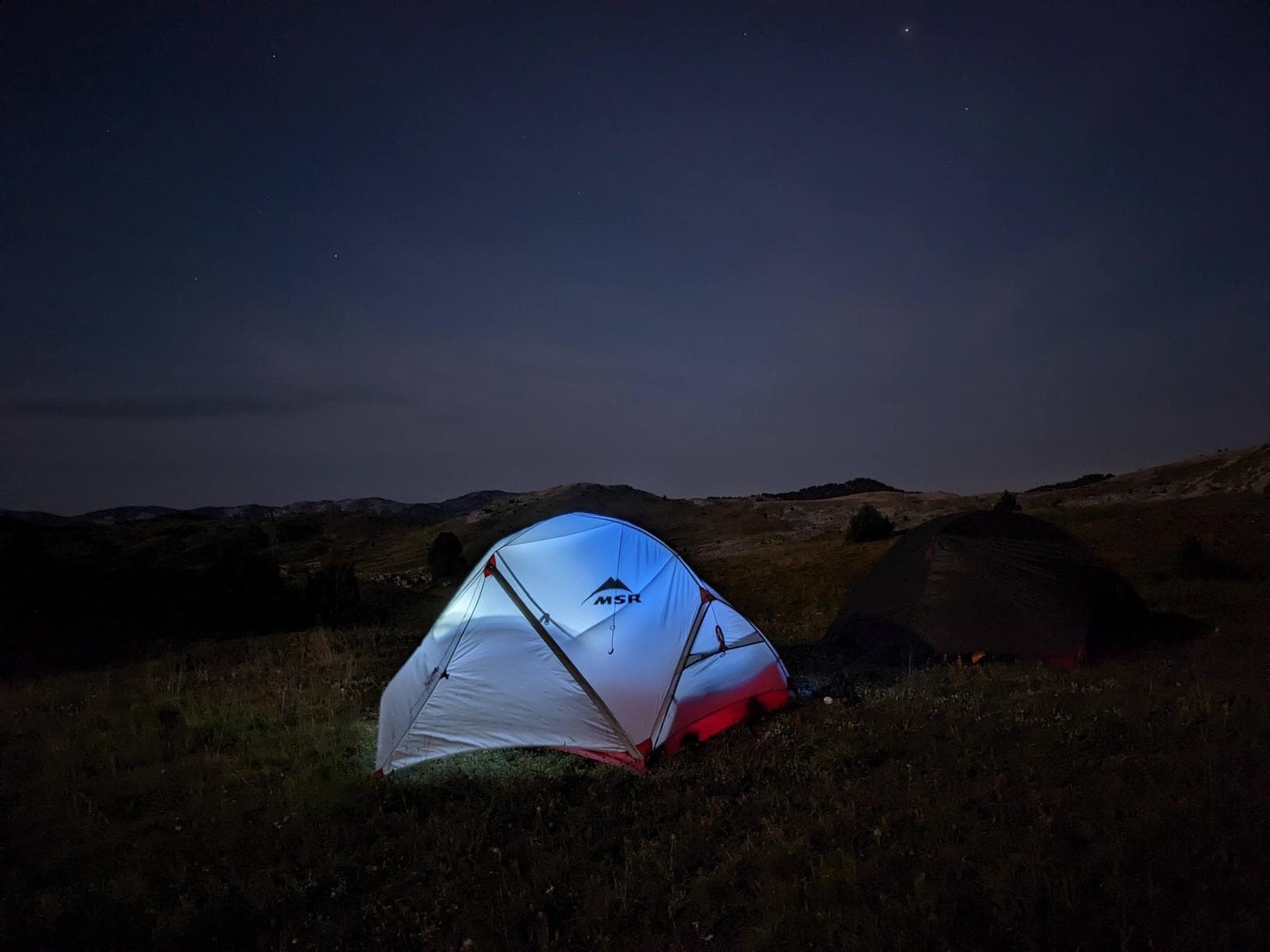
Generally, bivouacs must be at a safe distance from roads, shelters, and buildings (a minimum of 300 meters in most regions). Set up after sunset and leave before dawn. It's a passage, not a settlement.
Dishwater and cooking water must never drain into streams or lakes. These water sources may be kilometers downstream from your camp and supply other adventurers. Wash dishes at least 30 meters from the water source and let the ground absorb the water.
For sanitation in wild areas, bury biological waste at least 70 meters from a water source. Forget traditional toilet paper. Even though it seems harmless, it doesn't degrade quickly enough and attracts animals. Prefer certified ecological alternatives, or better yet, use a small shovel to dispose of it and pack everything out. Yes, it's unglamorous, but it's the price of true respect in the wilderness.
Using trails responsibly
Trails exist to channel visitor traffic and limit vegetation destruction. Using them respects this fragile balance. Even if tempted by a shortcut across alpine meadows or what looks like a prettier side path—stay on the marked trail.
This discipline protects alpine flora, often extremely delicate. A plant can take decades to recover after being trampled. It applies too to wetland areas like peat bogs, which are extremely vulnerable and play a crucial role in climate regulation.
If a trail is closed or degraded, don't push through. Barriers and restrictions aren't there to trick you. They exist because the ecosystem needs time to regenerate.
Campfire management
A campfire is magical. But it's also fragile and potentially dangerous. Uncontrolled fires have caused devastating mountain blazes. Before lighting even a small twig, check: are fires allowed in this area? What's the current fire risk?
If you get the green light, choose a clear spot far from vegetation and low foliage. Dig slightly to contain ashes. Most importantly: completely extinguish your fire before leaving. Not "extinguished" by your judgment, but truly dead. Pour water, stir the ashes, pour again. There should be no doubt.
In many mountain zones, gas stoves have become the norm. They're safer, simpler, and more respectful of fragile spaces.
Cultural sensitivity and human encounters
The lands you cross may belong to local populations—communities who've lived on these lands for generations. These zones aren't open-air museums created for your entertainment.
Respect local lands and private property. If you're unsure whether you have the right to pass, ask. It's an opening gesture that changes everything. Be curious, but don't impose your presence or expectations.
Local guides and mountain inhabitants aren't extras. Their knowledge of terrain, weather conditions, and local environmental issues is invaluable. Listen to their advice, even if it means changing your plans.
The impact of your equipment
Responsible hiking also means thinking about your gear. Choose brands committed to sustainability: ethical production, recycled or natural materials, product longevity. Equipment bought once and used for ten years beats replacing your entire kit annually.
Your power bank, sunscreen, technical laundry detergent—consider the environmental impact. Non-biodegradable sunscreens pollute lakes. Used batteries must be recycled. Every small element matters.
Questions you're probably asking
What's the difference between bivouac and wild camping?
Bivouacking is light and short-term: you pitch your tent at sunset and take it down at dawn. It's one night with minimal gear. Wild camping is longer—you stay several days in one spot with full logistics. It's usually closer to a vehicle and requires more infrastructure. In the mountains, we talk about bivouacking. On more accessible terrain, it's usually wild camping.
Can you bivouac in France?
Yes, but not anywhere and not without rules. Some areas allow it: the Vercors Regional Nature Park, the Écrins National Park, the Pyrenees Massif, the Aiguilles Rouges Natural Reserve. Before you go, check with local authorities or tourism offices. Each zone has its specifics, and some protected areas may prohibit it entirely. Don't play roulette with regulations.
What are the main bivouac rules in France?
France's main bivouac rules are: stay one night only, set up at sunset and leave at dawn. Be discreet, leave no trace, and don't make fires.
Where can you wild camp in France?
Some regional nature parks like Armorique Park, Scarpe-Escaut Park, and Haute-Vallée de Chevreuse Park accept wild camping.
What's the fine for unauthorized wild camping?
In France, fines for unauthorized camping or bivouacking go up to €1,500.