Building a campfire in the wilderness: what the law says
Lighting a fire beneath the stars, feeling the warmth of dancing flames as night falls over the forest or mountains, sharing a hot meal after a long day of hiking… This ritual is among the simple yet profound pleasures many seek in the great outdoors. But in France, campfires are not an absolute right. The law strictly regulates this practice for obvious reasons of safety and preservation of natural habitats. Here's everything you need to know to avoid turning a magical moment into an…
Lighting a fire beneath the stars, feeling the warmth of dancing flames as night falls over the forest or mountains, sharing a hot meal after a long day of hiking… This ritual is among the simple yet profound pleasures many seek in the great outdoors. But in France, campfires are not an absolute right. The law strictly regulates this practice for obvious reasons of safety and preservation of natural habitats. Here's everything you need to know to avoid turning a magical moment into an administrative nightmare – or worse.
The short answer: no, except under very specific exceptions.
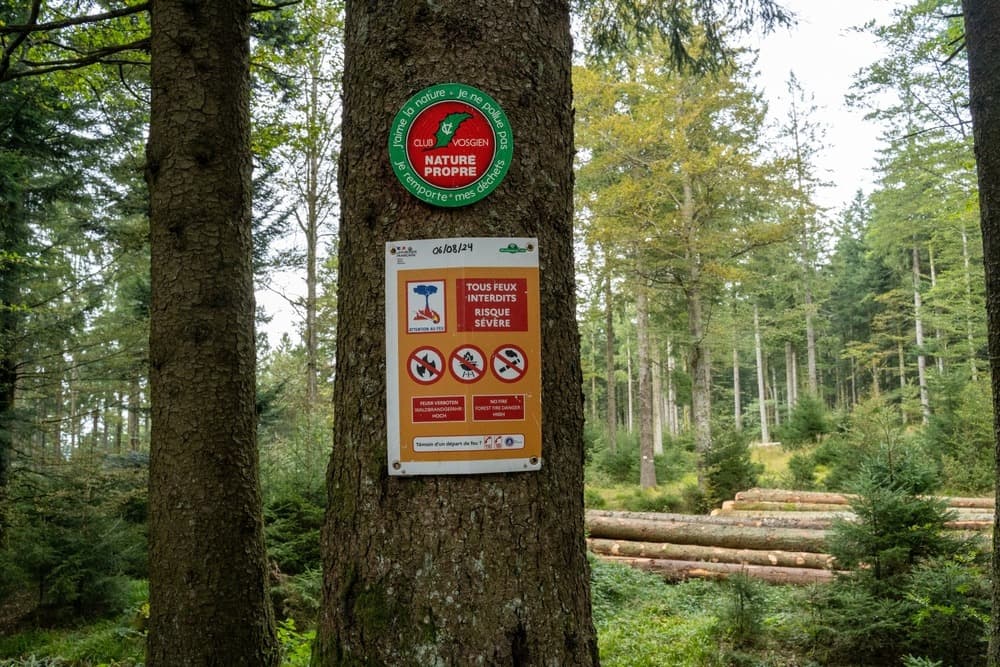
In France, the general principle is a ban on making fires in natural spaces, particularly in or near forests and woodlands, except on sites specially designed for this purpose and authorized by local regulations.
This rule stems directly from the Forestry Code, particularly article L131-1, which prohibits lighting or carrying fire in woods, forests, heathland, scrubland, plantations, and within a 200-meter radius around these spaces.
Fire use is strictly regulated year-round, with reinforced restrictions depending on the department, season, and weather conditions, particularly in strong winds or periods of intense heat. Even in winter, even if it's been raining for three days, even if you're at 2,000 meters altitude: open fire remains prohibited outside authorized zones.
The only notable exception: on your own private land, and only if the prefecture has not issued a temporary prohibition order (which often happens in summer). In all other cases, tolerance is virtually non-existent.
Where are campfires prohibited?
The list is lengthy, but here are the main cases where it is absolutely forbidden to light any fire:
- In all forests, woodlands, heathland, scrubland, forestry plantations and reforestation areas, as well as within a 200-meter radius around these spaces.
- In national parks (except rare designated sites, often requiring mandatory reservation).
- In most regional natural parks, except exceptions specified by the park's internal regulations.
- On protected spaces designated as Natura 2000, national or regional nature reserves, classified or registered sites.
- On much of public land (beaches, banks, rural paths, edges of departmental and national roads), where fires are often prohibited by local orders.
- In an area designated as zones for protection of natural heritage and sites.
- During periods of elevated fire risk (severe or very severe danger level on the map published by Météo-France and prefectures). Prefectural orders can ban all flames, even on certain bivouac areas normally authorized.
- Finally, in many massifs (Alps, Pyrenees, Corsica, Provence, etc.). Permanent prefectural orders prohibit fire year-round except on designated sites.
Where can you build a campfire in France?
As you'll have gathered, the places where fire remains authorized are rare, but they do exist:
- Sites specially developed by municipalities or forest managers (often stone hearths with tables and benches). You'll find these in certain municipal campsites, some natural camping areas, or on private land open to the public (mountain refuges, guesthouses, farm-inns).
- Certain staffed or unstaffed mountain refuges (check case by case: the refuge or park regulations take precedence).
- Private land with written permission from the owner and outside any prefectural prohibition order.
- A few rare bivouac zones tolerated in national parks (for example in the core of Ecrins or Vanoise National Parks), but only on designated sites and often without fire authorized, except in exceptional cases.
What are the penalties and fines?
France doesn't take fire risk lightly.
Lighting a fire outside an authorized site = fourth-class misdemeanor: 135 euros flat fine (90 euros reduced, 375 euros increased).
If the fire is lit during a prefectural prohibition period or in a very high-risk zone = fifth-class misdemeanor: up to 1,500 euros and equipment confiscation.
If your fire causes a fire to start, even unintentionally, you enter the realm of the Criminal Code (articles 322-5 and following). Penalties depend on the consequences: simple material damage, environmental harm, injuries, deaths…
- For unintentional fire, sentences can reach up to 1 year in prison and 15,000 euros in fines, and be significantly aggravated if the fire affects a forest, endangers people, or causes victims (several years in prison and up to 100,000 euros in fines in the most serious cases).
- For intentional fire, basic sentences can reach up to 10 years in prison and 150,000 euros in fines, and climb to 15 years imprisonment in case of aggravating circumstances (forest, endangerment of people, etc.).
Alternatives to campfires for your camping and bivouacking
Fortunately, many solutions exist to enjoy the conviviality of an evening without taking legal or ecological risks.
A gas or alcohol stove remains the simplest and safest option. Lightweight, quick, authorized almost everywhere (except where flame is totally prohibited, which is rare).
Flameless cooking systems (such as Barocook or self-heating packets) for purists of discrete bivouacking.
Cold meals done right: bread, cheese, charcuterie, dried fruits. With a bit of planning, you eat very well and save time in the evening.
Portable elevated hearths (such as Biolite or Kelly Kettle) are tolerated in certain parks provided they're on a mineral surface and leave no trace.
Finally, deliberately choosing accommodations where fire is legally possible: refuges with wood stoves, guesthouses, unstaffed cabins with arranged exterior hearths. The pleasure of fire still exists; it just requires a bit more planning.
What you need to remember
Building a campfire in France is not a trivial act. The legislation is strict, penalties are real, and fire risk is present, even in regions you'd imagine to be damp. The pleasure of fire hasn't disappeared; it's simply shifted to spaces designed to welcome it safely.
Before each outing, one good habit: check the park regulations, consult the day's fire risk map on the Ministry of Interior's website or local authorities' sites, and prioritize designated sites. In this domain, "common sense" never replaces regulation, especially when fire risk is elevated.