France at a Glance
Mountains, coastlines, forests, rivers: France offers exceptional natural diversity. Here are the essential landmarks to explore each territory with insight and responsibility.
A terrain of rare richness
France is one of Europe's most varied countries in terms of natural landscapes. Within a few hours' travel, you can move from Alpine ridges to Mediterranean inlets, from Breton heathland to Auvergne volcanoes, from Ardèche gorges to Vosges forests. This diversity is an enormous opportunity for anyone who loves the outdoors — but it also means preparing each outing carefully, as terrain conditions change radically from one region to the next.
At Hunawé, we believe that knowing your terrain before you set out is already the first step toward a successful and responsible adventure. Here are the key landmarks to keep in mind when exploring France with full awareness.
The major natural environments
Metropolitan France divides into several major families of natural habitats, each with its own logic:
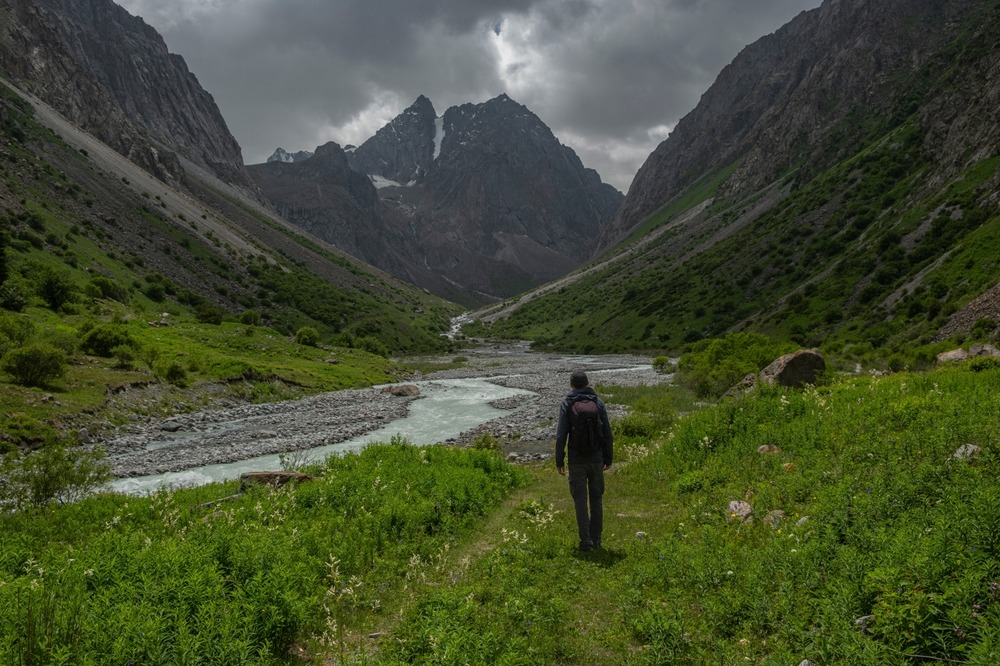
- Mountains: the Alps, Pyrenees, Massif Central, Vosges, Jura — technical terrain requiring serious physical and logistical preparation, with weather conditions that can shift in minutes.
- Coastline: Atlantic, English Channel, Mediterranean — sensitive environments subject to specific wind, tide, and regulatory regimes. Certain nesting zones and dune vegetation are protected.
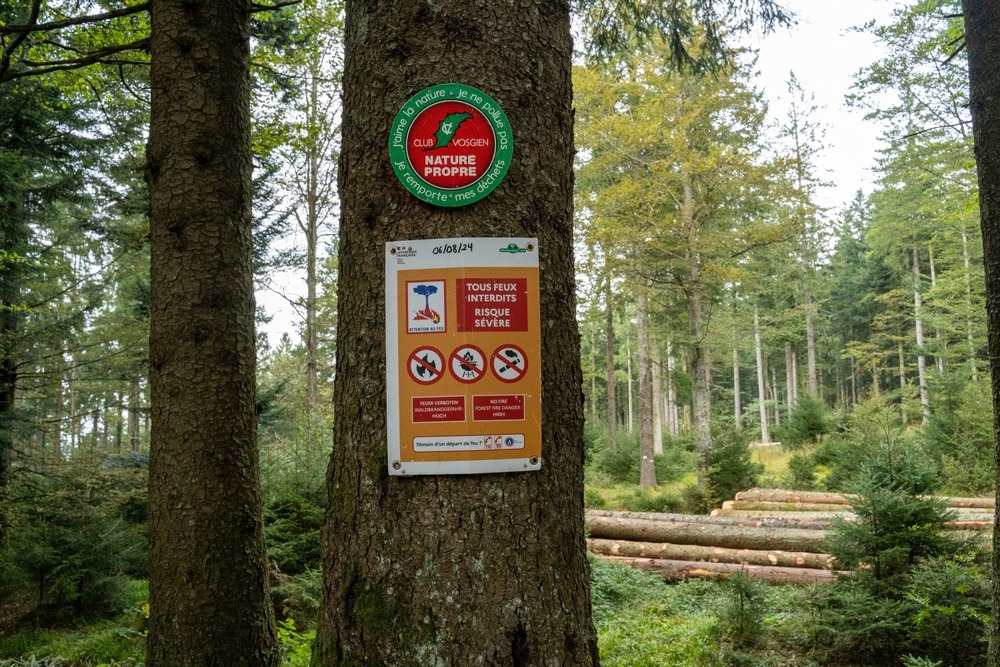
- Forests and bocage: omnipresent in central and northern France, generally accessible but crossed by forestry activities and hunting seasons to monitor.
- Rivers and wetlands: gorges, peatlands, alluvial valleys — fragile environments, sometimes prone to flash floods, that deserve particular attention.
- Rural and agricultural spaces: marked hiking paths, but also private land — respecting properties and crops is part of the implicit code of responsible hiking.
Weather and seasons: think local
There is no single French weather pattern, but dozens of microclimates. The golden rule: always check local forecasts 48 to 72 hours before your outing. Météo-France provides mountain and alert bulletins by department, free and reliable.
Generally speaking, spring and autumn are often the most pleasant seasons for hiking: lower crowds, beautiful light, mild temperatures. Summer remains ideal for high-altitude trekking, but watch for heat waves and summer thunderstorms. Winter opens magnificent terrain but requires appropriate gear and experience.
Getting around by low-impact transport
France has a dense rail network serving many hiking trailheads. Certain massifs are also accessible by coach or seasonal shuttle services. More and more local collectives organize car-free group departures — an option worth exploring to reduce your carbon footprint from the start of your adventure.
Dedicated apps and websites (such as the SNCF mountain stations network or local carpooling initiatives) can greatly ease logistics.
Nature accommodations: responsible options
From staffed mountain huts to wild camping, via gîtes d'étape and authorized camping areas, options are plentiful. A few principles to keep in mind:
- Wild camping is generally permitted in mountains above a certain altitude, but regulations vary by massif and park. Always check with local authorities.
- In national parks, rules are stricter — some zones completely prohibit camping or bivouacking.
- Mountain huts must be booked in advance, especially in high season.
Parks, protected areas, and rules to know
France has several national parks, numerous regional natural parks, and national and regional nature reserves. Each status implies different rules regarding fires, foraging, dogs, or access to certain zones. Before leaving, consult the relevant park's website or contact the nearest park office directly.
Wildlife, flora, and hunting seasons
Hunting is practiced across much of French territory, primarily from September through February depending on species and department. In forests especially, wear visible color and check local hunting schedules. Departmental hunting federations publish this information.
As for biodiversity, France harbors remarkable fauna and flora. Photograph, observe, admire — but don't pick protected plants and don't disturb wildlife, especially during breeding season.
Essential numbers to remember
- 15 — Emergency medical services
- 17 — Police / Gendarmerie
- 18 — Fire brigade
- 112 — European emergency number (works without network on some operators)
- 114 — Emergency number for deaf or hard-of-hearing individuals
In mountains, rescues are coordinated by mountain CRS or the PGHM (High Mountain Gendarmerie Squad). Leave your itinerary with someone before you go — it's simple, and it can make all the difference.
France has everything to surprise you, in every season and every massif. With the right landmarks, you're ready to explore it with curiosity, humility, and respect. That's exactly the Hunawé spirit.