Practical information France
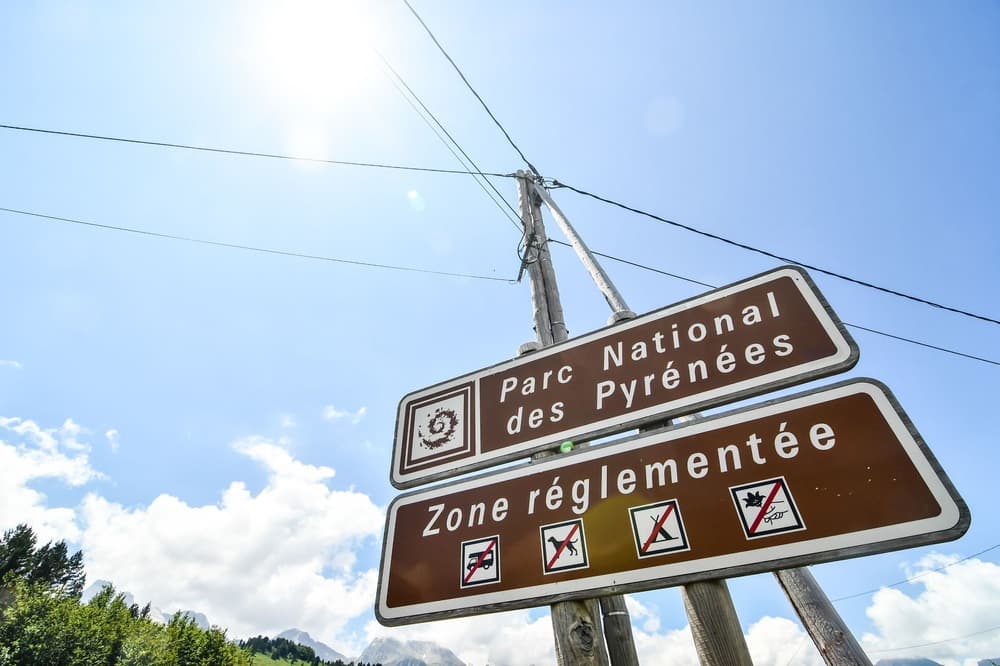
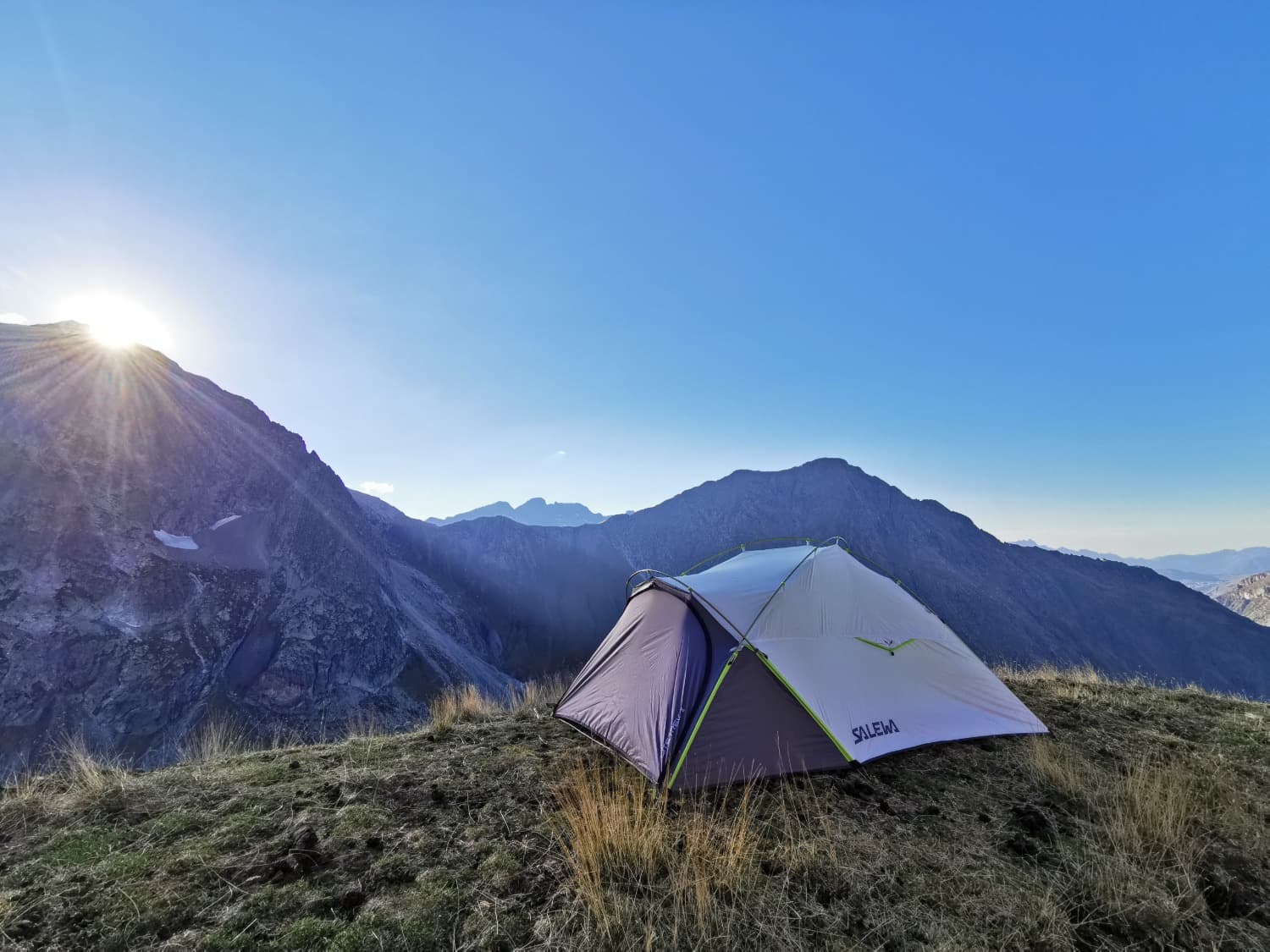
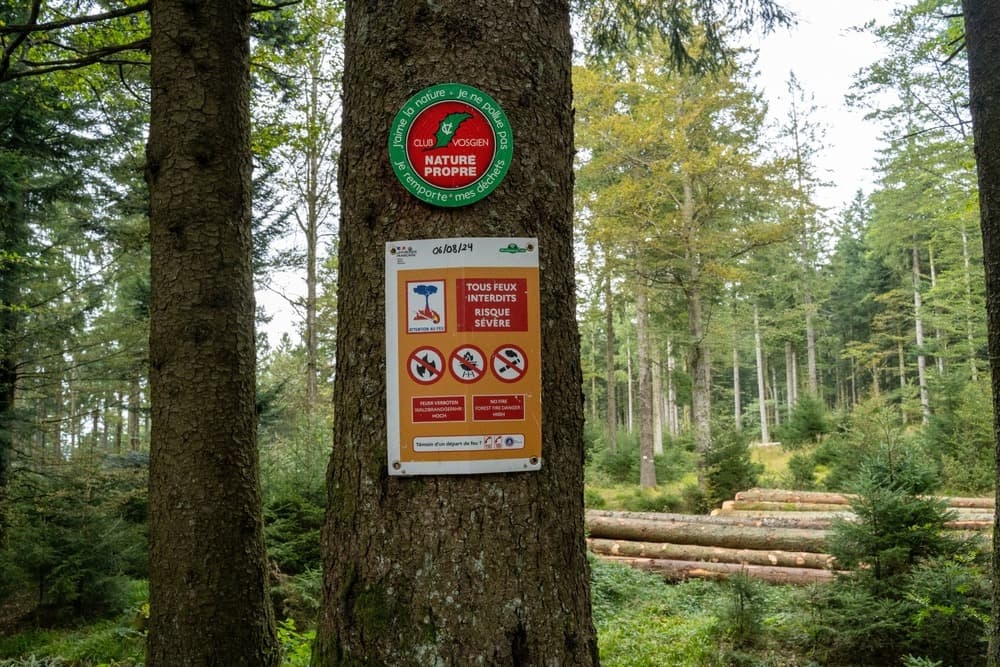
Our micro-adventures take place in France, so formalities remain light for French and European citizens. The bulk of preparation focuses on physical fitness, equipment, and knowledge of mountain or coastal environments. You'll find here the essential information to set out with peace of mind: required level according to programs, standard equipment checklist, realistic budget for mountain huts and bivouac camps, low-carbon train access from major cities, climate particularities of each massif, and mountain safety tips. Our Captains provide a complete briefing two weeks before each outing, with updated weather conditions, trail status, and water sources. In the mountains, the rule is simple: you arrive prepared, you leave no trace. We operate in protected areas (national parks, nature reserves) and strictly respect current regulations: no fires, bivouac only permitted more than an hour from roads, no wildlife or flora collection. Budget-wise, a day at a staffed mountain hut runs 50-70 euros for full board; bivouac camping brings this cost down to 15-25 euros per night. Train access is systematically prioritized and included in our quotes. Safety relies on the Captain's expertise, continuous weather monitoring, and appropriate equipment. The universal emergency number 112 works everywhere in France.
Plan your trip by theme
Explore our practical guides organized by category to quickly find the information you need.
Before You Go
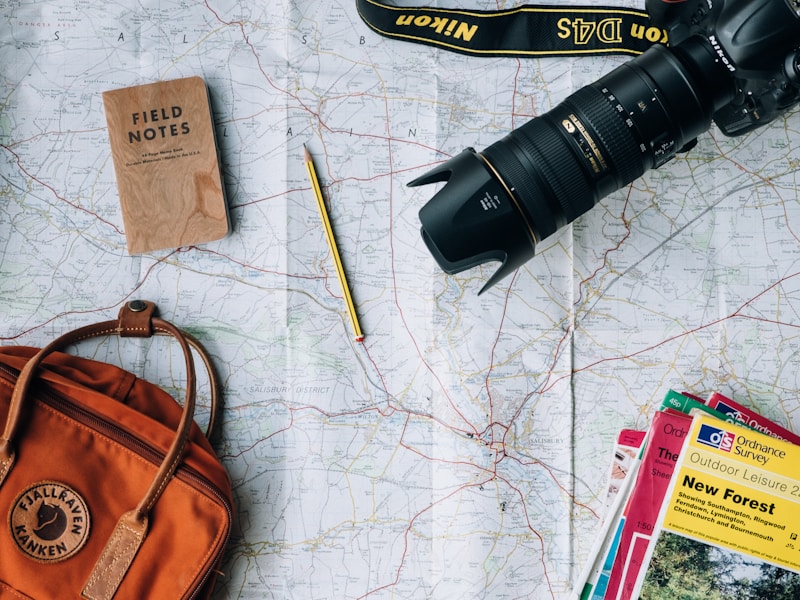
Identity card or passport depending on your nationality, outdoor insurance, equipment list provided by your Captain, early booking during peak season.
3 articles
Budget
Euro, range of 60 to 130 euros per day and per person depending on the package, mountain huts and bivouacs considerably more affordable than hotels, card payment possible in most mountain huts.

Climate Season
Seasons vary by region: alpine summer from June to September, snowshoeing and ski touring from December to April, Brittany and Cévennes accessible year-round.
1 article
Transports
Low-carbon access prioritized by train (TGV, Intercités, TER), departures and returns from the station, seasonal shuttles to the mountain ranges, no car needed.

Culture
Outdoor ethics "leave no trace," respect for protected areas and wildlife, discretion in pastoral environments, dialogue with herders on trails.
4 articles
Helpful Tips
Mountain safety and real-time weather, limited mobile network at altitude, mandatory first aid kit, call 112 and PGHM in case of mountain emergency.
4 articlesAll practical guides
Search and filter among 12 articles
12 of 12 results
Frequently asked questions
The answers to the most frequently asked questions from our travellers.
For French and European Union nationals, no visa is required to participate in our micro-adventures in France. A valid national identity card is sufficient. For travelers from third countries, French territory entry rules apply: Schengen short-stay visa for nationalities subject to this requirement, valid for 90 days within 180 days. Our adventures take place exclusively on the territory of the French Republic, so no additional customs formalities are required. Our team will verify with you the current requirements according to your nationality before finalizing your registration.
The budget for a Hunawé micro-adventure varies depending on the package you choose. For a two-day weekend (hiking, bivouac or climbing), expect between 120 and 200 euros per person, including Captain accompaniment. For a five to seven-day itinerary in a refuge or bivouac, prices range from 400 to 750 euros per person, including return train travel and refuge nights. Bivouac packages are considerably cheaper than nights in a staffed refuge. Meals in the valley, beverages and personal equipment are at your own expense. Our low-carbon commitment means we never include flights: train access is integrated into the itinerary whenever possible.
Each mountain range has its preferred seasons. In the mountains (Ecrins, Queyras, Pyrenees), hiking and trekking are possible from mid-June to mid-October, with the best conditions from late July to early September. Ski touring and snowshoeing are practiced from December to April depending on snow conditions. The Vercors, Jura and Vosges offer beautiful snowshoeing outings from 600 meters starting in December through March, and spring hikes among orchids in May-June. Brittany can be explored year-round: the coastlines are magnificent in autumn and winter, with fewer crowds. The Cevennes are ideal in spring (April-June) and autumn (September-November). Fontainebleau climbing is possible year-round, with particularly colorful autumn foliage.
Our micro-adventures cater to all levels, from complete beginners to experienced mountaineers. Each program clearly indicates the required level (easy, intermediate, challenging, expert) and average elevation gain per day. We offer outings specifically adapted for families with children from 8 years old for certain hikes and climbing initiations at Fontainebleau. Groups are intentionally kept small (6 to 8 people maximum) so the Captain can adjust the pace for everyone. If you're unsure about your level, contact us before booking: our team will guide you toward the program that matches your fitness and experience exactly.
Safety is at the heart of our Captains' work—all are certified guides holding either a State Diploma or State Certificate depending on their discipline. Before each departure, the Captain checks the weather, trail conditions, and adjusts the itinerary as needed. In the mountains, the main risks are meteorological (sudden storms), terrain-related (snow patches, rockfall) or dehydration. Each group is equipped with a first aid kit. In case of emergency, the number 112 is active throughout France; in the mountains, the PGHM (Mountain Gendarmerie Unit) responds to calls made to 112. Mobile network coverage is limited at altitude: the Captain carries an alternative communication device (radio or PLB) during challenging outings. We recommend mountain rescue and assistance insurance for all participants.
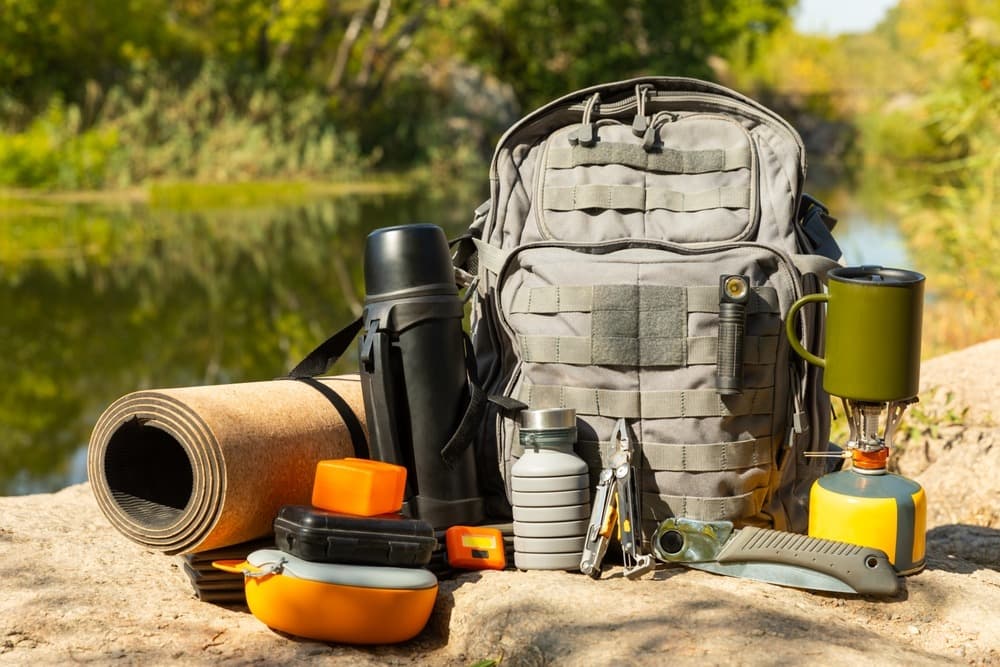
Each Captain provides a precise and personalized equipment list tailored to the program, two weeks before departure. For mountain hiking, the essentials are: waterproof high-ankle hiking boots, layered clothing (no cotton), windbreaker, beanie, gloves, sunglasses, high SPF sunscreen, 30-40 liter backpack with sleeping pad for bivouac, and a 1.5 liter minimum water bottle. For ski touring, skis, boots, and skins can be rented on-site at most of our partner village resorts. For bouldering at Fontainebleau, bouldering gear (climbing shoes, chalk) can be provided by our Captains for beginners. We prioritize equipment you already own and local rentals over systematic purchases.
Ready to travel to in France?
Discover our tailor-made itineraries, designed by our local team. Each route adapts to your pace, your preferences and your travel season.
See our toursWe use cookies to improve your experience and measure our site's audience. You can choose what you accept. Learn more.